Budget set to contain new energy support scheme for farmers
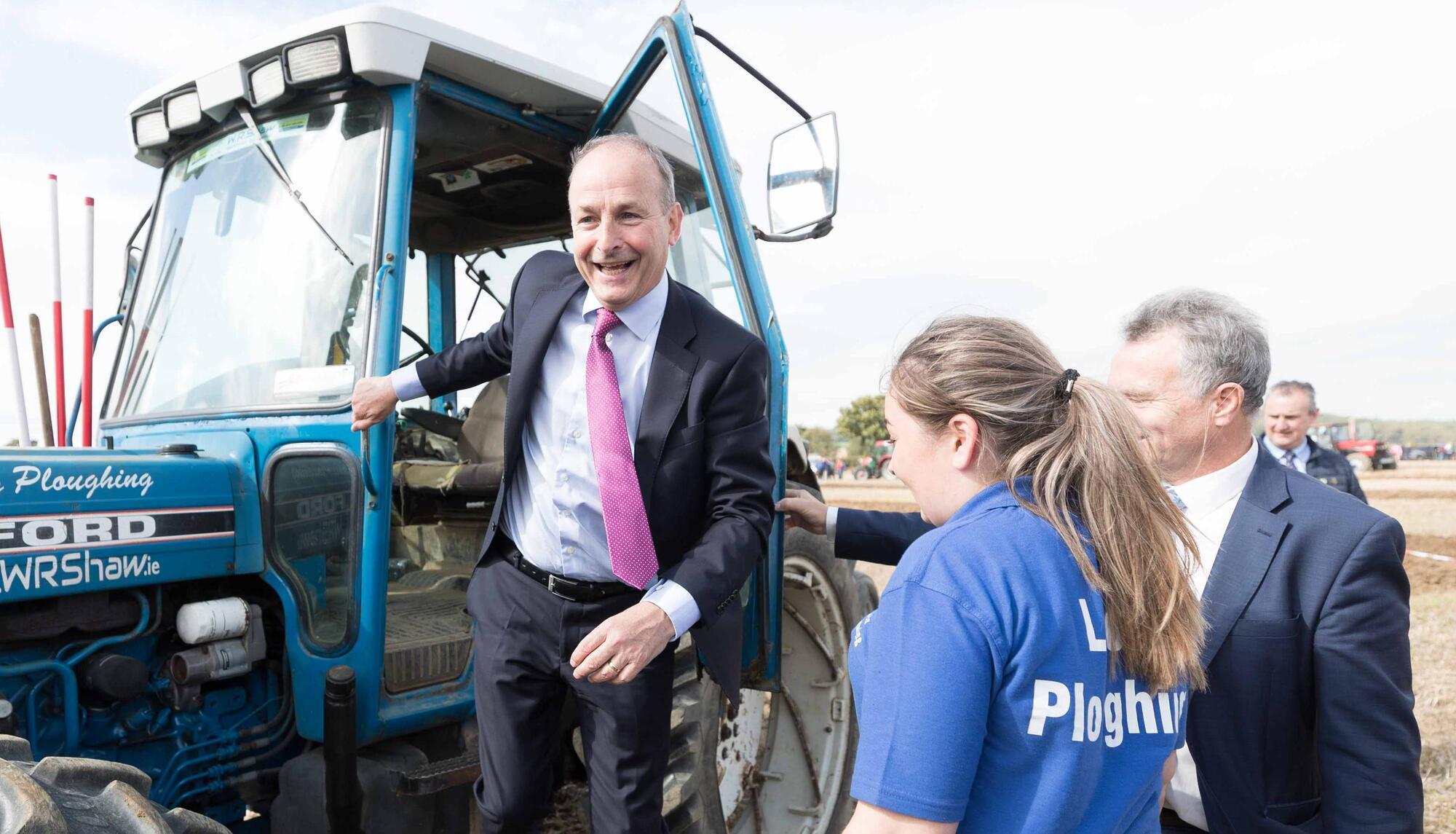
Taoiseach Micheál Martin with farmer Lorna Byrne from Laois and the mnister of State at the Department of Finance Sean Fleming at the National Ploughing Championships at Ratheniska, Co Laois on Wednesday. Picture: Eamon Ward
Farmers are to be included in a new energy support scheme for all businesses that is set to be announced on budget day.
With just five days to go until the budget is announced, the exact details of the energy support scheme are still being hammered out amid significant wrangling between Fianna Fáil and Fine Gael on the issue, especially around the inclusion of the agricultural sector.
It is understood the scheme, which will be administered by Revenue, could set specific payments to enterprise and agriculture by comparing the amount paid on energy bills during a set period last year with the prices now being charged.
Alternatively, a standard rebate paid against bi-monthly energy bills is also being considered.
Farmers will be eligible for the energy supports after Agriculture Minister Charlie McConalogue pushed for their inclusion in any payments.
It means that farming families will receive a rebate for their household bills as well as a payment toward energy costs associated with their farm.
The measure is separate from the direct energy support scheme announced in recent days, which will provide grants to firms that can show that their operating profits have declined by at least 15% this year due to rising energy costs.
Farmers had expressed anger that they had been excluded from this funding.
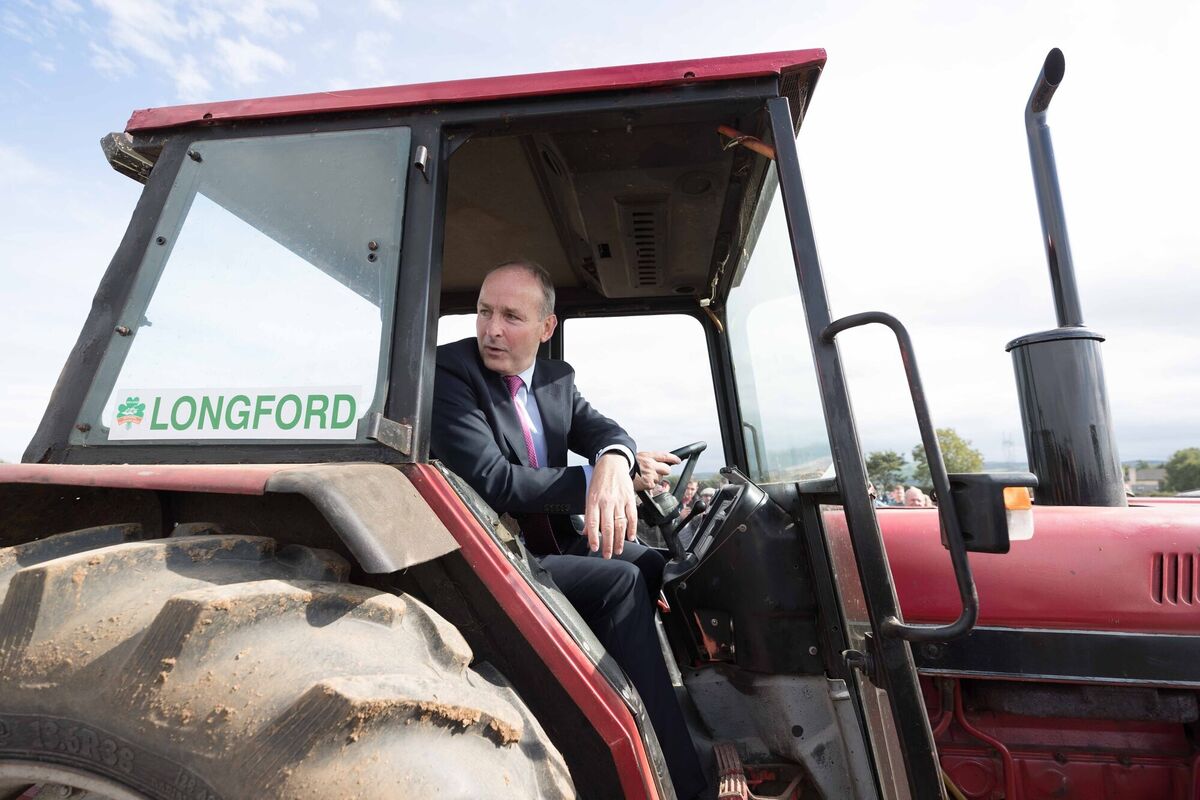
Speaking at the National Ploughing Championships, Taoiseach Micheál Martin promised that farmers will not be left behind when it comes to financial support in the upcoming budget.
"Farmers will not be left out," he said.
"Farmers are enterprises, and we're very conscious that input costs will be rising in respect of agriculture and farming, and the broad approach is to protect jobs but also to understand that energy prices are impacting all enterprises, including farming, and that the response would have to include that."
Tánaiste Leo Varadkar said that new emergency energy supports for families, businesses, and other sectors will be paid out in the "coming weeks" as the Government is conscious of the pressure people are already under due to spiralling costs.
On top of the two streams of funding, Mr Varadkar said a low-cost loan, similar to one provided to protect businesses and farmers against Brexit, will also be rolled out.
Mr Varadkar said his priority in the run-up to the budget is to make sure that farmers are included in any scheme to help with energy costs.
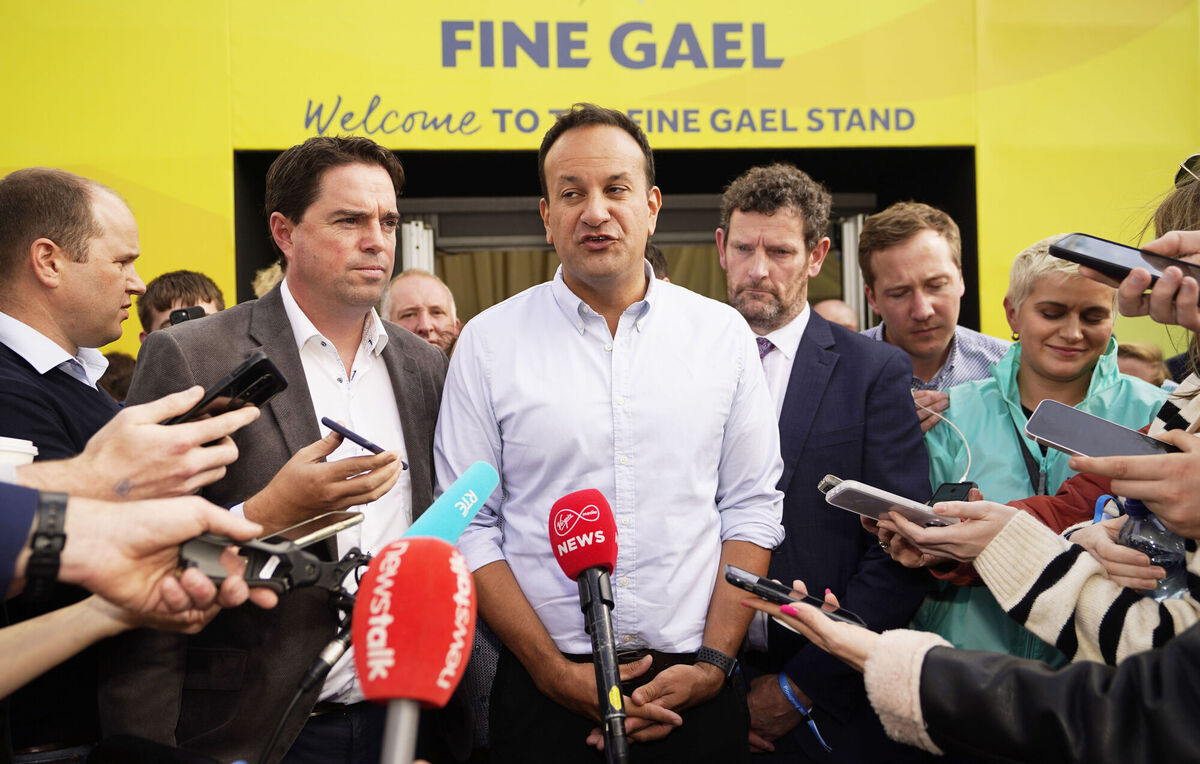
"We're working on a package to intervene to help families and households with the rising cost of energy," he said.
"The package that we're putting together will apply to farmers as well, because farmers are businesses too.
Pointing to more targeted supports for farmers, Mr McConalogue said a €10m tillage scheme introduced this year will be extended for another year.
"The tillage sector is one that is still massively important to Irish agriculture. It's become even more important with the backdrop of the illegal invasion of Ukraine and the challenge that has on the supply of grain.
"This past year, as a response to that, I introduced a tillage scheme to seek to increase the level of tillage happening in the country, and that has succeeded in growing our tillage sector by 6% to 7% this year," he said.
Meanwhile, Education Minister Norma Foley is negotiating for an expansion of the School Transport Scheme in the budget after an Oireachtas committee heard that schoolchildren are being "left at the side of the road" due to a lack of capacity.
More than 6,000 children who applied for school bus places did not get a space as demand soared when the Government made school transport free of charge to help with the cost-of-living crisis.
Ms Foley told the education committee on Wednesday that she was working "to see if there is potential to accommodate the cohort who have previously availed of a concessionary place, where there is capacity".
"We may have an opportunity in the context of the budget to do something in that regard."
CONNECT WITH US TODAY



Be the first to know the latest news and updates