Move to expand treatment of sex offenders in prison 'positive'
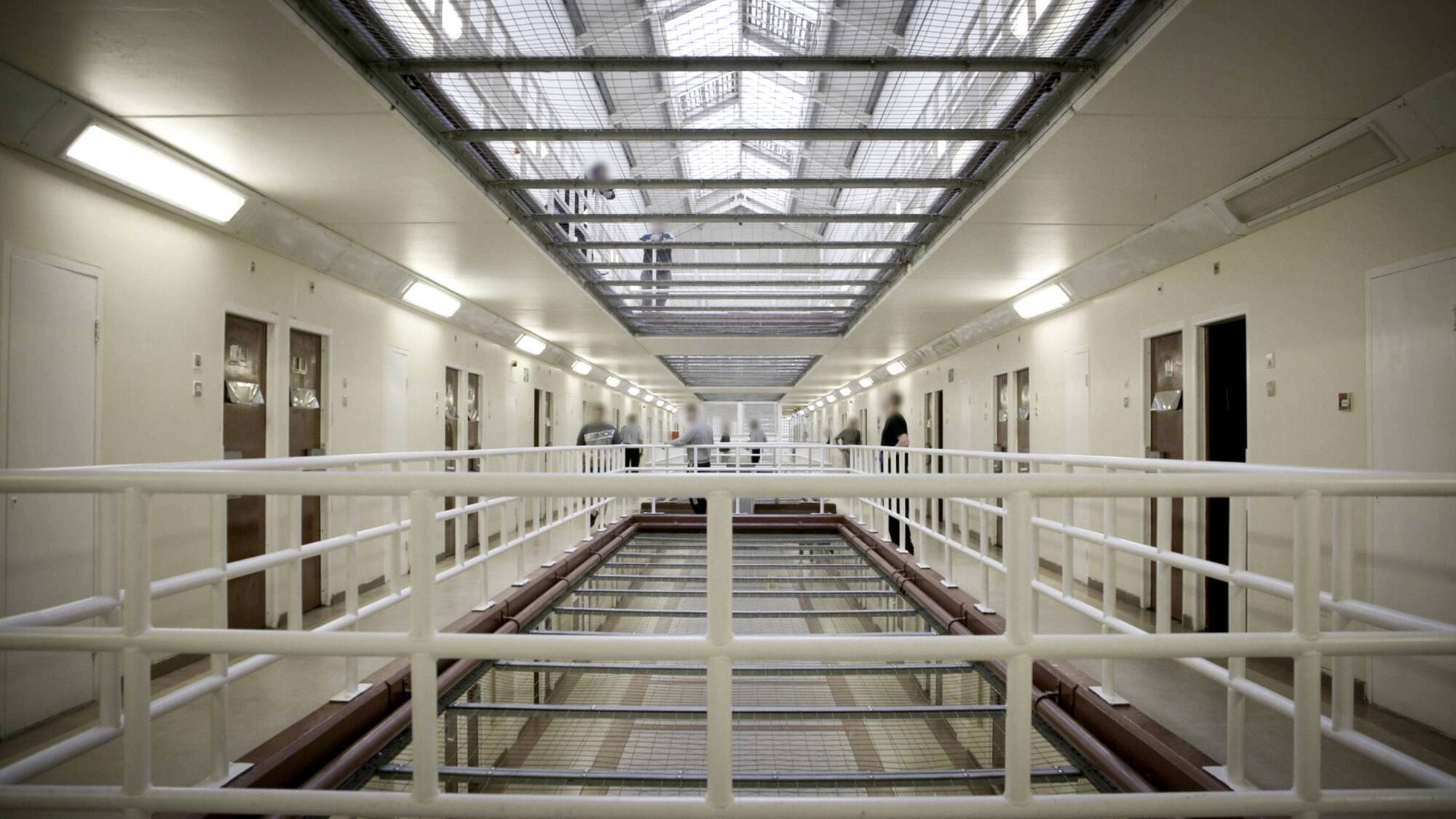
The reforms come against the background of a significant increase in sex offenders in prison — accounting for almost 15% of all inmates now, compared to 9% in 2007. File picture
Groups fighting to stop sexual violence have welcomed moves in the prison system to significantly expand the treatment of convicted sexual offenders.
The Irish Prison Service wants to ultimately increase the percentage of sex offenders undergoing treatment from about 25% in recent years to as high as 80%.
As reported in the Irish Examiner this week, the Psychological Service of the IPS is fundamentally restructuring the treatment system to bring in groups of offenders currently excluded.
This includes those who deny or minimise their crimes, those serving sentences of less than two years, offenders who may also have a mental illness, intellectual disability or personality disorder and those who might have been considered low risk.
The reforms come against the background of a significant increase in sex offenders in prison — accounting for almost 15% of all inmates now, compared to 9% in 2007.
Noeline Blackwell, chief executive of the Dublin Rape Crisis Centre, said the reforms were a positive development and she hoped they would be implemented soon.
“Up to now, there has been a problem with the small number of sex offenders that engaged in programmes,” she said, adding the 25% estimate given by the IPS has been less in recent years, down to as low as 12.5%.
“There was also a very limited number of psychologists, which is why we were glad to see a significant number hired in recent months,” she said.
Ms Blackwell said about 75% of sex offenders and victims are known to each other and are often from the same family or local community.
“This means that the release of sex offenders can be a dreadfully difficult time for victims and their families," she said.
She said the reforms won't comfort all victims: “Many won't trust the system or the offender but again, where these victims include family, close contacts and the like, it will be of some value and in the overall context of a safer society, we would say that it is positive.”
She said there are some State services available to victims, notably through the National Counselling Service but she said the 16 Rape Crisis Centres countrywide, One In Four and Cari were “specialist sexual violence voluntary services”.
She said the State provides funding through Tusla for these services and through the HSE for others but added that “more is needed” to provide sustainable properly planned professional services to victims.
Emer O'Neill, national head of therapy at Cari, said they welcomed the prison plans.
“Cari sees the damage inflicted on innocent children by sex offenders," she said. "One of our aims is to ‘Break the Silence’ on this most heinous of crimes, but that is closely followed by ‘Break the Cycle’.
If this programme will engage more offenders and offer the hope of fewer re-offences, Cari welcomes it.”
On the support available for victims, she said Tusla is one State agency that is involved and that it helps private and voluntary groups in this task.
But she added: “The problem is huge, with 4,331 cases of child sexual abuse reported to Tusla in 2021 alone, an increase of 36% for the year over the figure from five years earlier. Is the problem increasing or simply being reported more? We feel, both.”
Ms O'Neill said the State should “unquestionably” provide more funding to victims’ groups: “Failure to do so, to provide early, robust intervention is simply kicking the can down the road.
Aishling Branagan, senior psychotherapist of the prevention programme at One In Four said: “The statistics indicate that more needs to be done to address the gap in the treatment of sexual offenders.
"We hope that this reform along with the continued work in One in Four will encourage and allow more sexual offenders, with a more diverse profile, receive treatment with the goal of prevention; so we welcome this news.”
- DRCC National Helpline: 1800 77 88 88;
- Cork Sexual Violence Centre 1800 496 496;
- Cari 01 830 8529/061 582224;
- One in Four 01 6624070.
CONNECT WITH US TODAY



Be the first to know the latest news and updates