High levels of 'forever chemical' found in cereal products across Europe, study finds
High levels of 'forever chemical' found in cereal products across Europe, study finds

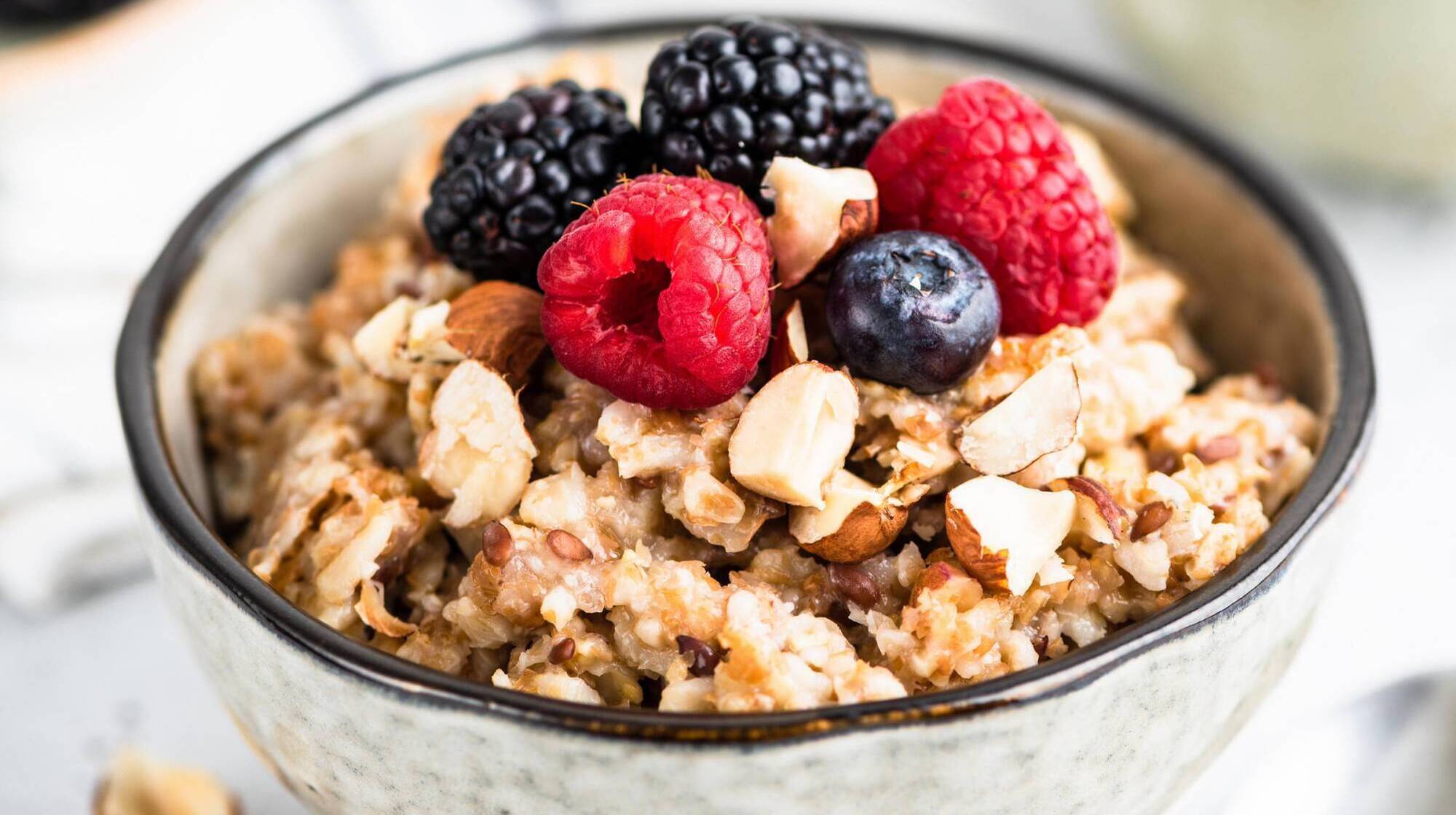
The most contaminated food is breakfast cereal, according to a study by Pesticide Action Network Europe (PAN), with average concentrations 100 times higher than in tap water. File photo: Alamy/PA

High levels of a toxic “forever chemical” have been found in cereal products across Europe because of its presence in pesticides.

The most contaminated food is breakfast cereal, according to a study by Pesticide Action Network Europe (PAN), with average concentrations 100 times higher than in tap water. Friends of the Irish Environment (FIE) claimed a breakfast cereal purchased in Ireland contains 36 times the EU’s ‘Forever Chemicals’ safety limit.

The study by PAN found trifluoroacetic acid (TFA), a chemical produced when pesticides containing Pfas chemicals break down into the soil, in breakfast cereals, popular sweets, pasta, croissants, wholemeal and refined bread, and flour. 

Per- and polyfluoroalkyl substances (Pfas) are a group of chemicals that have been used in manufacturing and added to consumer products since the 1950s. They are known as “forever chemicals” as they can take hundreds or even thousands of years to degrade after the products they have been used in are thrown away. 

This means that if they leak into the soil or water, which they often do, they could remain there for centuries. Their impact on human health and the environment is only just becoming clear, with new studies frequently emerging about some of the chemicals’ links to diseases such as cancer.

TFA is reprotoxic, which means it has the potential to harm human reproductive function, fertility, and foetal development. It has also been linked to adverse effects on thyroid, liver and immune functions. 

Campaigners are calling on governments to set a far more protective TFA safety limit and to ban all Pfas pesticides and other sources of TFA. Currently, governments do not monitor TFA in food.

The study analysed 65 conventional cereal products bought across 16 European countries — the first study of its kind at the EU level. 

TFA was detected in 81.5% of samples (53 out of 65 samples) across 16 European countries, with high contamination levels. Wheat products are significantly more contaminated than other cereal-based products.

The highest levels were found in Irish breakfast cereal, followed by Belgian wholemeal bread, then German wholemeal bread, then French baguette. It was found across a huge range of products, from spaghetti, to cheese scones and ginger bread.

Salomé Roynel, policy officer at PAN Europe, said:

All people are exposed to TFA through multiple pathways, including food and drinking water. 

"Our findings underscore the urgent need for an immediate ban of Pfas pesticides to stop further contamination of the food chain.”

FIE claimed Ireland is particularly exposed to TFA pollution because the fluorinated herbicides that degrade into TFA are widely used here — on cereal fields, permanent grassland, silage production, sports pitches, school grounds, public parks and roadside verges. 

"Once applied, these herbicides break down into TFA, which then persists indefinitely in water and soil," it said.

It pointed to Germany’s recent submission to the European Chemicals Agency (ECHA), requesting that TFA be formally reclassified as ‘toxic to reproduction’, ‘very persistent’ and ‘very mobile’.

Caroline Lewis of FIE said: "As Ireland takes over the EU Presidency in the second half of 2026, key chemicals files will come before the EU Council for decision. It is imperative that the Irish Government supports Germany’s proposal and acts now to protect public health and the environment."

The Guardian

x

More in this section

Lunchtime News

Newsletter

Keep up with stories of the day with our lunchtime news wrap and important breaking news alerts.

Cookie Policy Privacy Policy Brand Safety FAQ Help Contact Us Terms and Conditions

© Examiner Echo Group Limited