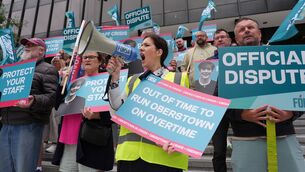
Call for review into why Gsoc investigations into gardaí take so long
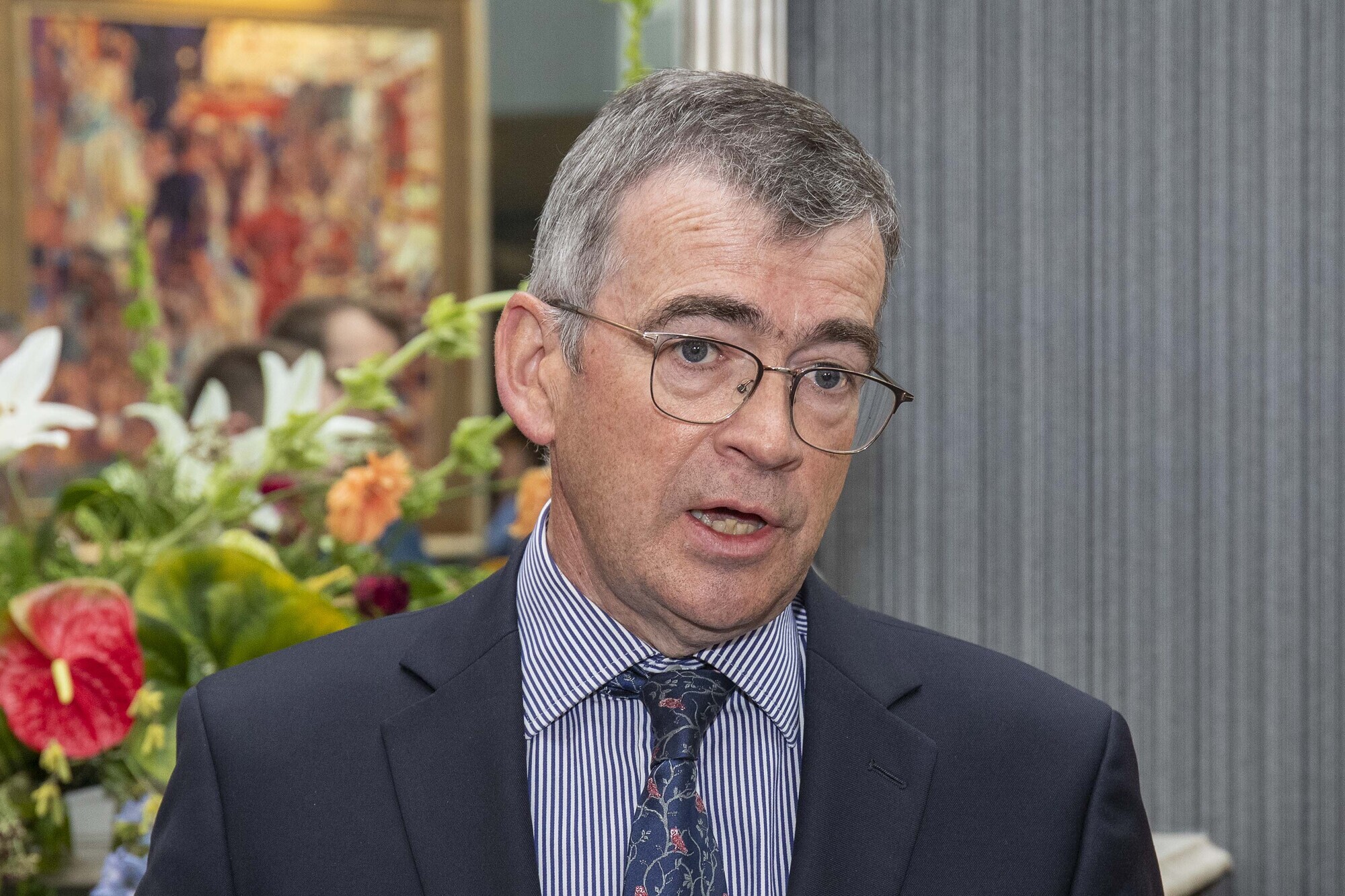
Drew Harris: An Oireachtas committee report said the Garda commissioner felt that some of the proposed powers 'would breach a Garda member’s human rights'. Picture: Conor Ó Mearáin
A "comprehensive review” of the Garda Síochána Ombudsman Commission (Gsoc) needs to be undertaken to establish why some of its investigations into gardaí take many years to complete, according to an Oireachtas report.
The Oireachtas justice committee said this examination should happen before draft landmark Garda legislation was progressed through parliament.
In its report on a pre-legislative scrutiny of the General Scheme of the Policing, Security and Community Safety Bill, the committee makes a number of recommendations, including that:
- Proposed oversight structures be re-examined given the time it will take the Garda commissioner to account to the various bodies;
- Progress be “prioritised” in transferring district court prosecutions away from a garda sergeant to an expanded prosecution service;
- Investigative powers of Gsoc be re-examined to ensure they are “fully compliant” with the human rights and constitutional rights of gardaí.
Seven of the 12 recommendations relate to Gsoc, including one questioning its investigations.

“The committee recommends that a comprehensive review of Gsoc be undertaken to establish the precise factors that are causing some investigations to take an extended period of time to resolve,” the report says.
“The results of this review should help to inform the legislation and to avoid such delays from occurring in the operation of the Garda Ombudsman.”
Garda staff bodies raised concerns at committee hearings on this issue about the impact on members, particularly those suspended from duty pending the outcome of inquiries.
At the report’s launch, Garda Representative Association general secretary Philip McAnenly said some members were “six to eight years” on suspension awaiting an outcome.
He questioned Gsoc's resources, saying his understanding is that each Gsoc investigator had 50-60 files, compared to around 15 cases internationally.
Garda associations opposed giving Gsoc expanded powers in the bill.
The report says Garda Commissioner Drew Harris felt that some of the powers “would breach a Garda member’s human rights”.
The committee also expressed concern at the multiple obligations on the commissioner to account to an expanded number of oversight bodies, including a new internal Garda board.
The report says Mr Harris felt that he would be “spending a disproportionate amount of time" reporting to these bodies rather than undertaking his other vital duties.

It says An Garda Síochána believes that oversight measures in the bill “encroach unnecessarily” on the commissioner and “inhibits” his or her ability to control the organisation.
An Garda Síochána said the measures “verge more on control than oversight” and would “weaken and remove" its independence.
The committee also published its pre-legislative scrutiny of the Garda Síochána Powers Bill. It opposes proposals to allow senior gardaí grant search warrants in urgent cases and calls for limitations to plans granting gardaí the power to compel individuals to provide passwords to devices.