'Disappointing' increases in Ireland's greenhouse gas emissions
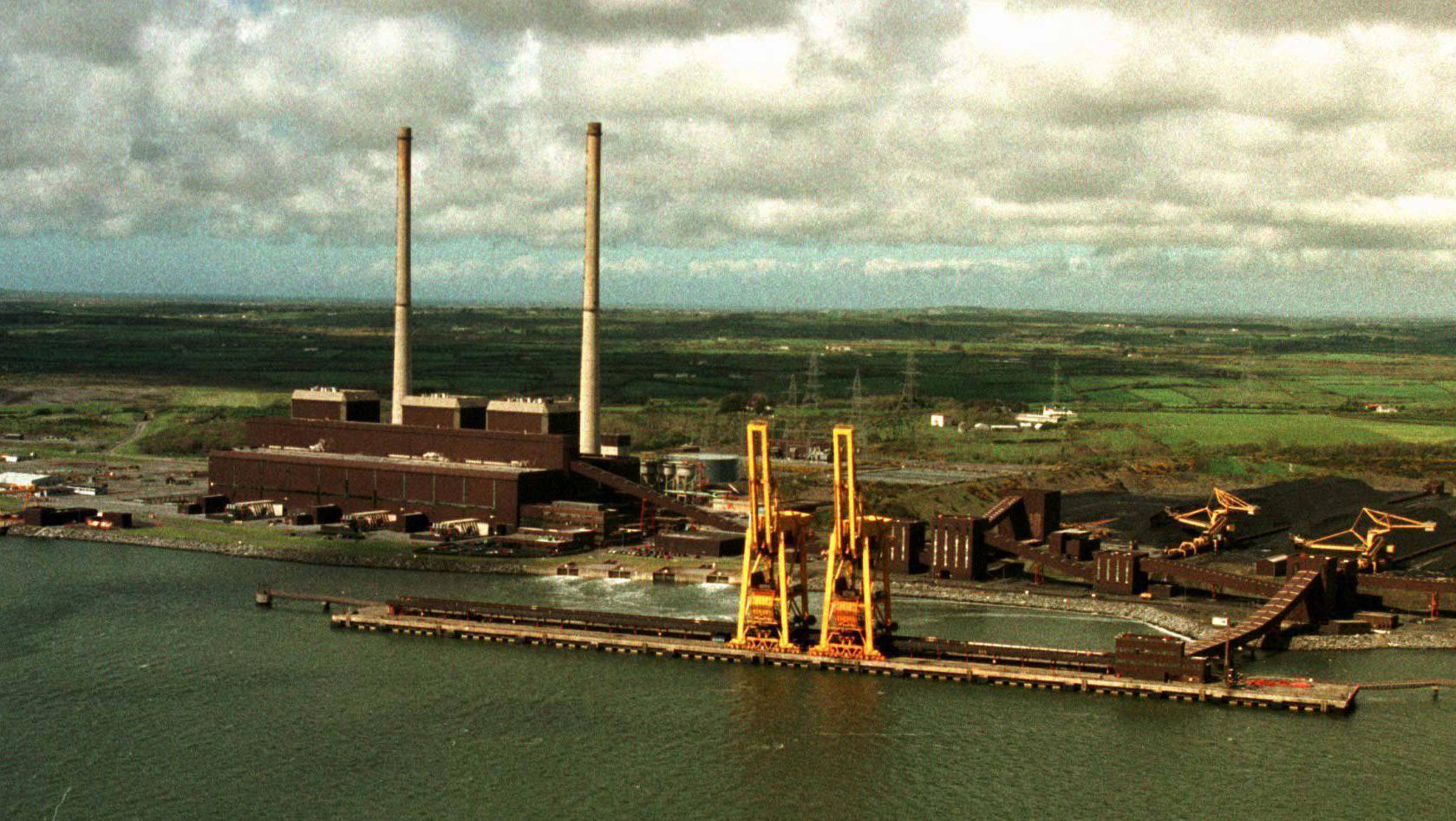
Older plants such as the coal-fired plant at Moneypoint were used to ensure power was available last year, contributing to the rise in carbon intensity of electricity production. File picture: Kieran Clancy
Ireland’s greenhouse gas emissions from energy generation and industry shot up last year, with emissions from electricity generation alone rising 21%, an increase branded as “disappointing” by the Environmental Protection Agency (EPA).
In its annual review, the EPA found greenhouse gas emissions from Irish energy generation and industrial production rose by 15%, or 2m tonnes, last year, compared to 2020.
The EPA said this rise compares unfavourably with other European countries as the EU Commission found an increase of about 9.1% across the region.
The increase is largely linked to the greater carbon intensity of electricity production last year, according to the EPA:
“Older plants, including the coal-fired plant at Moneypoint, were used to ensure that power was available.”
Aviation emissions also increased, although the review notes the new total of 5.3m tonnes is still much lower than the pre-pandemic level of 12.8m tonnes.
EPA director general Laura Burke said that, between 2017 and 2019, the emissions trading system sector saw a fall in emissions largely driven by the higher use of renewable energy sources on the National Grid here. Covid lockdowns led to continued decreases in 2020, she said.
“The increase we are seeing for 2021 sector is disappointing and is a reminder of the need for policies and decisions which support sustained emissions reductions in power generation and industrial emissions,” said Ms Burke.
The EPA found that industrial emissions increased by about 7%, with cement industry emissions up 17% and pharmachem industries up 3%.
CONNECT WITH US TODAY



Be the first to know the latest news and updates