Gsoc commissioner Emily Logan: 'We are rightly criticised for slow inquiries'
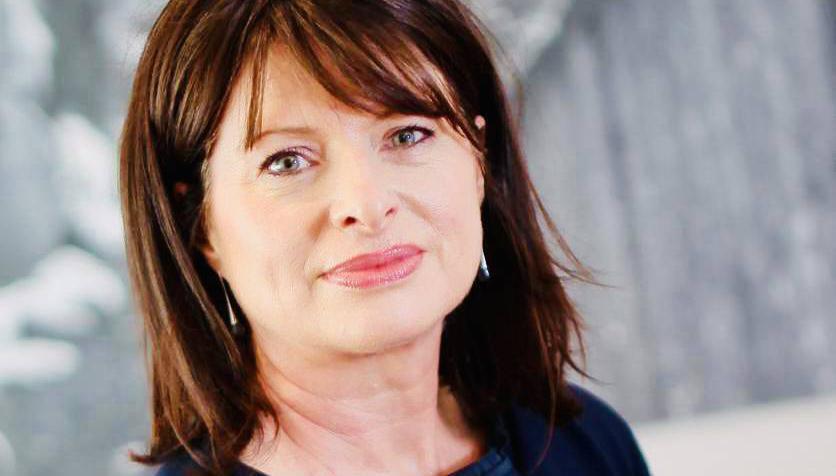
Emily Logan, one of the three commissioners in charge of Gsoc, was speaking at a conference on policing on both sides of the border.
The Garda Síochána Ombudsman Commission (Gsoc) has been “rightly” criticised by complainants and gardaí alike for the slow pace of its investigations, one of the ombudsman's commissioners has said.
But Emily Logan placed the blame on limited staffing and resources, difficulties hiring experienced staff, and convoluted legislation which makes investigations “unnecessary protracted”.
Ms Logan, one of three commissioners in charge of Gsoc, said she hoped some of the provisions in draft landmark legislation will streamline the procedure for assessing and investigating complaints.
She was addressing a day-long conference on policing on both sides of the border, organised by the Irish Council for Civil Liberties and the Committee on the Administration of Justice.
Ms Logan said a range of issues has affected Gsoc’s ability to fulfil its function to provide an effective and efficient investigation of complaints against gardaí.
These include limitations on institutional independence, the “unusually convoluted” legislative basis of Gsoc’s oversight powers, and challenges of “limited staffing and resources” as well as difficulties recruiting staff with expertise. She said:
Ms Logan said that Gsoc was “open” to the introduction of any further judicial oversight of its powers that may be contained in the General Scheme of the Policing, Security and Community Safety Bill.
The draft bill, published almost a year ago, is the centre-piece legislation for reform of policing and security services, on foot of the main recommendations of the Commission on the Future of Policing, which reported in September 2018.
Ms Logan said it was “neither practicable nor in the public interest” for Gsoc to investigate some of the cases it is investigating.
She said the “lack of streamlining of cases is problematic” and that the body was a “bit hamstrung” by current legislation:
She said that, currently, if they open and finish a criminal investigation and send a file to the DPP, and the DPP rules against charges, it is only then they can consider disciplinary matters, which, she said, adds to the time it takes.
Ms Logan said there was also “legitimate” criticism at the lack of published reports after an investigation is completed and that this was under internal review.
Opening the conference, Justice Minister Helen McEntee said drafting of the bill was under way, and that she hoped to bring it to the Cabinet before the summer.
“Planning for the implementation of the bill is also underway in my department, progressing in parallel with drafting,” she said. “We have set ourselves an ambitious target of mid-2023 for implementation.”
Marie Anderson, the Police Ombudsman for Northern Ireland, said oversight was about improving policing and increasing public confidence.
She said the PSNI was dealing with both current problems and “wounds of the past”. She said she is investigating some of the most "significant atrocities" linked to the police.

CONNECT WITH US TODAY



Be the first to know the latest news and updates