Irish security oversight should learn from North 'mistakes'
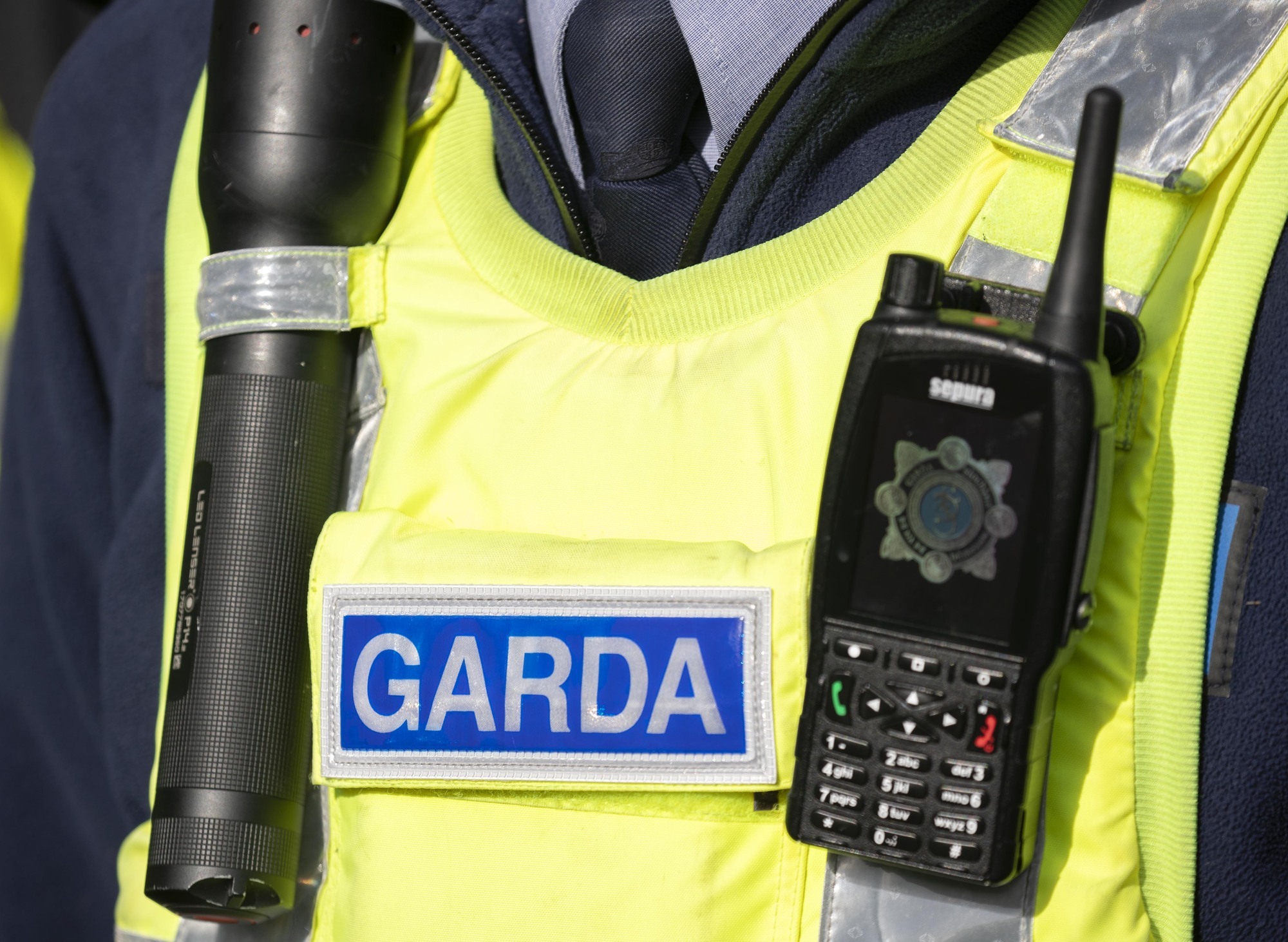
Covert policing and the handling of informants, known as ‘Covert Human Intelligence Source’ in An Garda Síochána will come under the remit of the new independent examiner.
Irish authorities need to learn from the mistakes in covert policing and the handling of informants in the North as they finalise blueprints for intelligence oversight structures here.
Human rights agencies said secretive policing operations had gone “badly wrong” in the past in Northern Ireland, damaging people’s trust in the criminal justice system.
But they said that the mistakes across the border could be avoided by the Government in its drafting of landmark laws establishing a central, and more powerful, oversight system of intelligence and organised crime legislation.
The plans for an independent examiner are contained in the General Scheme of the Policing, Security and Community Safety Bill, published in April 2021.
The proposal to establish such a position, contained in the September 2018 report of the Commission on the Future of Policing (CoFP), is mirrored on similar watchdogs abroad, including Britain and Australia.
Speaking ahead of a day-long cross-border policing conference in Dublin on Thursday, Brian Gormally, director of the Committee on the Administration of Justice (CAJ), said:
“However, significant reform within the PSNI, increased accountability and the application of international human rights standards can bring useful learning for other police reform processes.”
Covert policing and the handling of informants, known as ‘Covert Human Intelligence Source’ (CHIS) in An Garda Síochána, will come under the remit of the new independent examiner.
Ireland currently has a limited and scattered system of oversight of security and intelligence services with little public information available.
The Independent Reviewer of Terrorism Legislation in Britain boasts considerable independence and access to security documentation and personnel. It engages extensively with the public, publishes detailed reports, and appears before parliamentary committees and is active on social media.
Former British reviewer David Anderson QC is also due to speak at Thursday’s conference, jointly organised by the Irish Council for Civil Liberties and the CAJ.
Mr Anderson was an outspoken reviewer and was involved in several contentious investigations during his term, which involve serious conflicts with security agencies.
He has previously said that independent examiners must be properly resourced and empowered and have full security clearance.
The barrister has urged that Ireland adopt the British/Australia model and the Government has indicated that this is the model is being adopted.
Observers will keep a close eye on the final legislation and subsequent funding and resourcing of the independent examiner’s office, given the experience with Gsoc after its establishment.
Operating protocols between the examiner and An Garda Síochána, as well as the Defence Forces, will also have to be discussed and laid down.
It is not yet clear what arrangements will be in place regarding appearing before the Oireachtas Justice Committee, or if a special intelligence committee will be established, as in Britain.
The draft legislation says the independent examiner will report annually to the Taoiseach and that the report will be laid before the Oireachtas.
Justice Minister Helen McEntee is giving the opening address at the conference, with the heads of the Police Ombudsman for Northern Ireland, Gsoc, and the Policing Authority, as well as senior police, among the contributors.
On the back of strong concerns raised by Garda Commissioner Drew Harris and senior Garda associations, Professor Donncha O'Connell, NUIG, and member of CoFP, said there was an “undisputed need” for effective oversight of policing generally.
“The legislation to give effect to the recommendations of the Commission on the Future of Policing is a major enabling step that will advance the implementation process significantly and should deliver clarity," he said.