Holding traditional Leaving Cert 'a missed opportunity' to reform exams
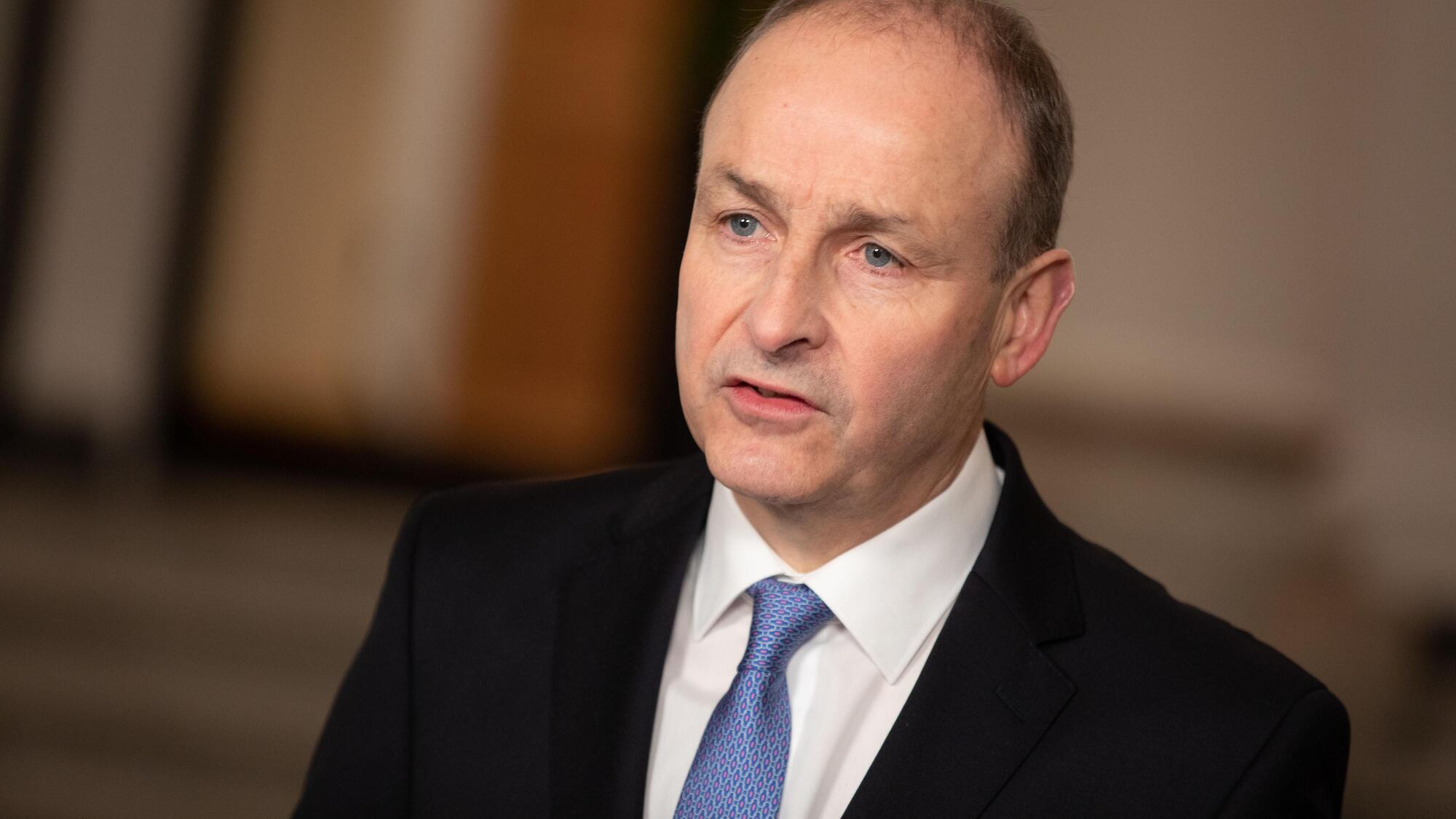
Taoiseach Micheál Martin came under fire from opposition TDs in the Dáil as he defended education minister Norma Foley's plans for this year's Leaving Certificate exams. File picture
The Government has been accused of making the "wrong call" in announcing a return to a traditional Leaving Certificate model this year.
Members of the opposition rounded on the Taoiseach in the Dáil after Cabinet signed off on the traditional exams with some extra elements of choice.
Micheál Martin defended the decision, saying that there would have been no fair way to run the Leaving Cert as normal.
The Taoiseach said that an accredited grades system could not have been applied as fairly as it was last year “because 25% of the students did not do the Junior Certificate and their data would not have been available for an accredited grades alternative”.
Mr Martin said Education Minister Norma Foley had “opted to give very wide choice in both the written examinations” and said most papers will have their content cut by one third as a result of the changes.
He told the Dáil: ”Instead of having to answer all 10 questions on each mathematics paper, candidates will only have to answer six. With regard to the additional choice through additional questions on the biology paper, candidates only have to answer eight questions instead of 11 and furthermore, can focus on a reduced range of mandatory activities.
“In English paper 1, candidates will have to answer only half the number of comprehension questions as would have been the case and in English paper 2, they only have to answer on any two sections, instead of on all three, which is a reduction of one third.”
Sinn Féin leader Mary Lou McDonald described the move back to the traditional exams as “an appalling decision” and said it was a “massive mistake” not to accept the hybrid model that students had been calling on. She said her party’s education spokesman, Donnchadh Ó Laoghaire, had provided the education minister with an alternative plan which could have allowed for a hybrid model.
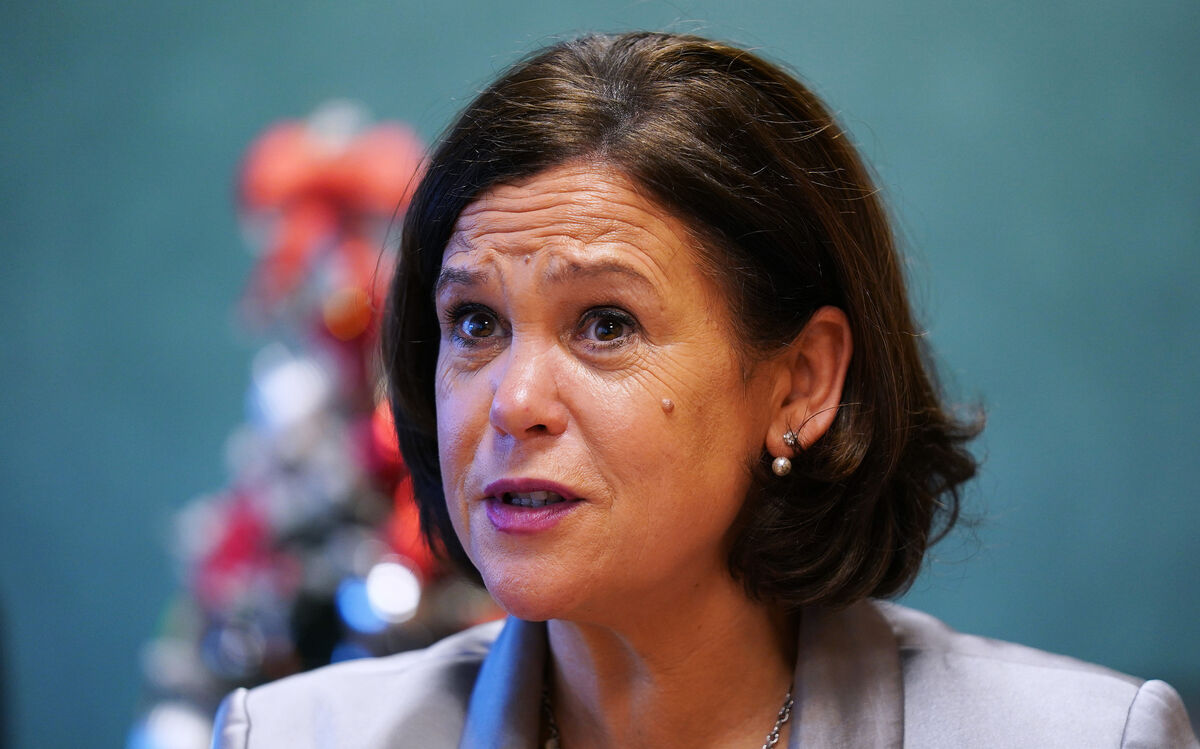
She told the Dáil that the news was “cynically leaked” to the media on Monday night, saying that “fairness had been the victim” of the decision:
“An incredible level of disrespect has been shown to these young people. Their voices have been ignored and set aside. The Government has failed fundamentally to understand the level of disruption they have been subjected to. Fairness is the victim in all of this.”
Social Democrats co-leader Catherine Murphy said students and parents are “extremely anxious and confused and many of them are angry” following the announcement.
She asked how the Taoiseach could claim that the exams will be fair this year given what she described as the disproportionate impact the pandemic has had on marginalised and disadvantaged students:
“Was the hybrid system ever on the table during those consultations? Given that we have known for the past two years that 25% of leaving certificate students did not sit a junior certificate, were there contingency measures being considered or put in place in the past 12 months?"
Labour education spokesman Aodhán Ó Ríordáin said the decision to revert to the traditional Leaving Cert is a “missed opportunity” for the delivery of education in this country. He said students who had campaigned for a hybrid option had been “devastated” by the decision:
“Questions must be asked about the department’s openness to innovation and changing the education system for the better.”
This was echoed by the Children’s Rights Alliance, who said the return to “business as usual” was a missed opportunity for Leaving Cert reform.
Tanya Ward, chief executive of the Children’s Rights Alliance, said: “While potential reform of the Leaving Certificate has been discussed for a number of years, the Covid-19 pandemic placed a spotlight on the issue and forced us to rethink our system of senior cycle education.
“The Government responded positively in a crisis and made the sensible decision to introduce calculated grades.
“We’ve seen how successful the hybrid model can be from the point of view of young people sitting the exam. We should listen to them about their lived experience to help determine what is the best system going forward.”
CONNECT WITH US TODAY



Be the first to know the latest news and updates