Is today a Bank Holiday? Everything you need to know about upcoming days off
What happens when public holidays fall on a weekend?
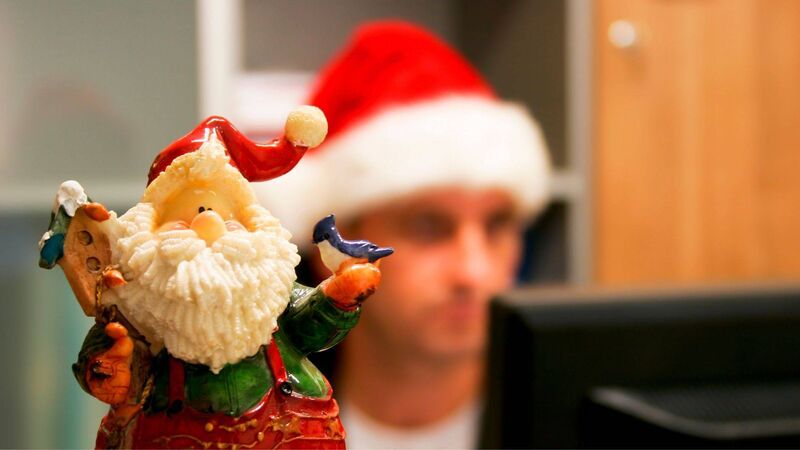
It's officially Twixmas - those few days between Christmas and New Year where time is but a mere illusion until schools are back, the festive food is eaten and your routine has returned.
For those working through the festive period, figuring out what days off you’re entitled to may be a bit tricky thanks to Christmas and New Years both falling on weekends.
This anomaly has resulted in Monday December 27 and today, Tuesday December 28 being referred to as substitute Bank Holidays.
However, these are not recognised Public Holidays, a day when most businesses close. Instead, it's largely just banks that are closed.
We have nine public holidays in Ireland, three of which take place during the Christmas season: Christmas Day, Saint Stephen’s Day and New Year’s Day.
Despite all of these taking place during weekends this year, you are still entitled to benefit for that public holiday in the form of:
- an extra day of annual leave
- an additional days pay
- or a paid day off within a month of the public holiday
It’s also worth remembering that you do not have any automatic legal entitlement to have the next working day off after the public holiday, according to Citizens Information.
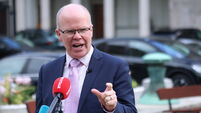
To clear up any confusion, employment lawyer Richard Grogan explained that “if your employer hasn’t told you by now, then it's an extra day’s pay”.
“If you work 40 hours in the 5 weeks prior to a Public Holiday you must get that as a paid day, a paid day in the following month off, or an extra day's paid holidays,” he advised in a social media post.
Many employees may be looking to carry over any unused holiday into 2022, however Richard explains that December 31 is not the deadline for using up holidays.
"Forget what your contract or staff handbook might say, the annual leave year runs from the 1st of April until the following 31st of March - that's the law,” he said.
He added that it’s the employer’s duty to make sure you get your full holiday entitlement of 20 days in this annual leave year.
“If for some reason that can't happen, then it's only with your consent that the holidays can be carried over to the next annual leave year.” According to Citizens Information, “annual leave should be taken within the leave year”.
“Depending on your employer, you can agree to take your annual leave within 6 months of the relevant leave year.
“Any further carrying-over (also called holding over) of annual leave would need to be agreed between you and your employer.” For those who’ve contracted Covid-19 or another illness during their annual leave, you should get a medical certificate from your GP and give it to your employer when you’re back to work.
“Your employer cannot make you to take annual leave for time you were on certified sick leave,” explained Citizens Information.
Finally, Richard Grogan urges anyone who is using annual leave to properly take time off to rest and relax.
“If you’re on holidays, you’re on holidays - you don’t have to do any work. That means you don’t answer the phone and you don’t answer emails.
“Holidays are supposed to be for rest and relaxation.”
CONNECT WITH US TODAY



Be the first to know the latest news and updates