'Clear and rising risk' of security threat from Loyalist discontent

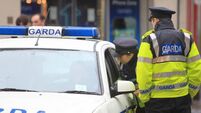
Police moving in on Loyalist rioters during a fortnight of upheaval in April. The UK parliament's intelligence and security committee has hilighted the growing threat of loyalist terrorism. File picture: Alan Lewis
There is a “clear and rising risk” that discontent within the loyalist community could escalate into a “renewed national security threat”, a British parliamentary body has said.
The intelligence and security committee of the British parliament said dissident republican groups continued to pose the most serious terror threat in the North.
In its report for 2019-2021, the committee said the threat level in Northern Ireland remained unchanged at severe, meaning an attack was highly likely.
“This has remained at the same level since 2009 and requires constant security force pressure to keep it suppressed," the committee’s 60-page report said. “The trajectory of the threat is now broadly stable after several years of gradual decline.”
It said both dissident republican and loyalist paramilitary groups “remain a feature of life”.
It said the New IRA and Continuity IRA “continue to drive the threat picture”, while the threat from smaller groups, such as Arm na Poblachta and Óglaigh na hÉireann had reduced:
It said a minority aim to destabilise the peace settlement and that their activity causes harm to communities across the North. It flagged a rising threat from loyalist violence:
“Loyalist paramilitary groups have in recent years been predominantly involved in criminality, but there is a clear and rising risk that discontent in the loyalist community, which has already given rise to episodes of violent disorder, could escalate further and translate into a renewed national security threat.”
The committee said it conducted an inquiry into the threat from Northern Ireland-related terrorism in 2020 following the “reckless violence” that led to the death of journalist Lyra McKee in Derry in April 2019, which the British government subsequently responded to.
“The committee welcomed the government’s efforts to apply the lessons drawn from counter-terrorism work across the UK to Northern Ireland, noting that it is essential that non-national security departments with better links into the community are able to provide positive interventions if they spot early-stage involvement in terrorist groups.”
The report said that around a fifth of the budget of MI5, the UK’s domestic intelligence service, was spent tackling Northern Ireland-related terrorism, both in 2019 and 2020.
CONNECT WITH US TODAY



Be the first to know the latest news and updates