Communities in the North in 'perpetual fear' of paramilitaries
Communities in the North in 'perpetual fear' of paramilitaries

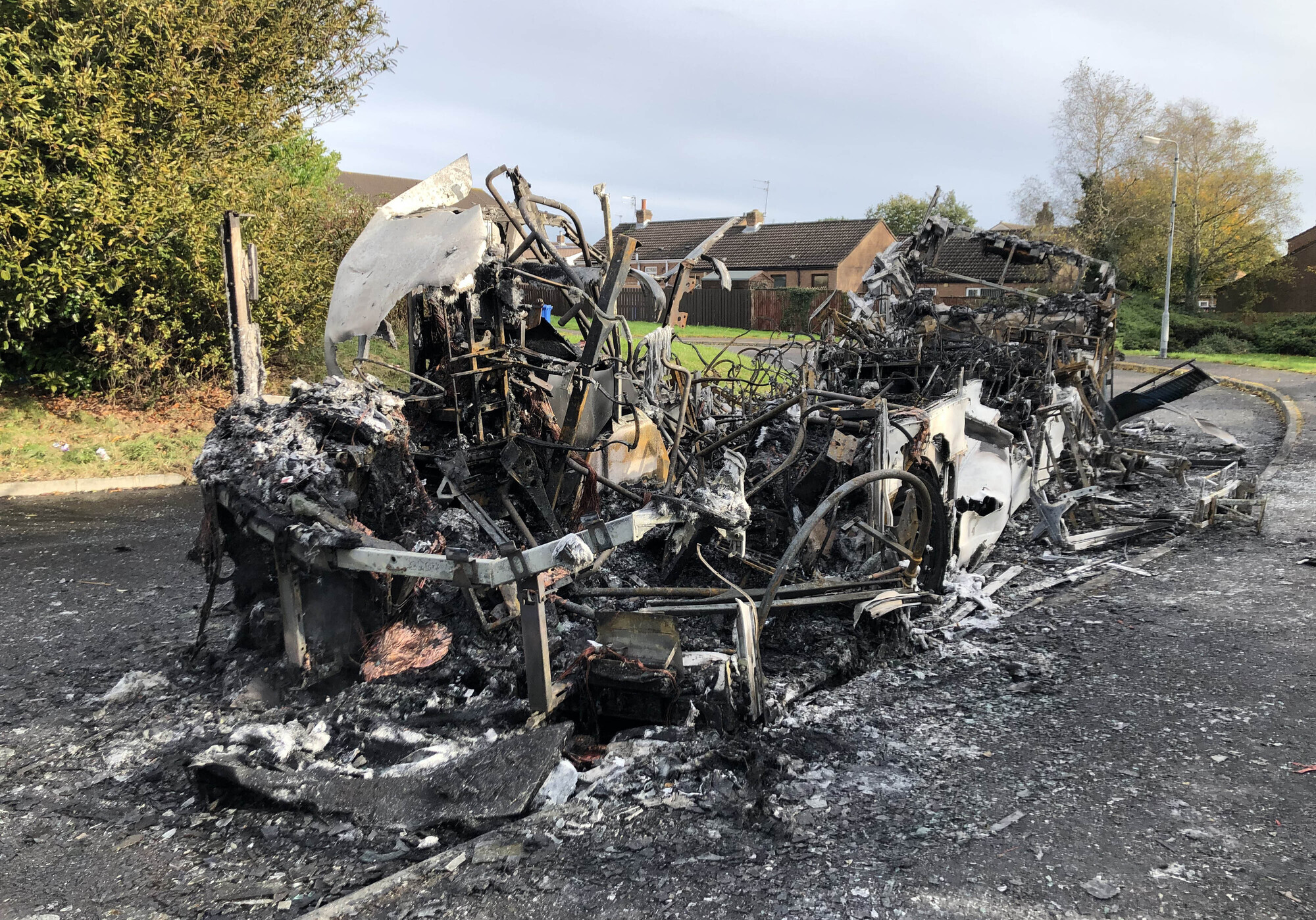
The scene last month on Abbott Drive in Newtownards near Belfast, after a bus was hijacked and set alight in an attack politicians have linked to loyalist opposition to Brexit's Northern Ireland Protocol. 

The threat of paramilitarism in Northern Ireland remains a “clear and present danger”, according to the fourth report of the Independent Reporting Commission, which has urged for a formal process to disband paramilitary groups.

Paramilitaries active in certain communities are also keeping people living in “perpetual fear”, it said.

The monitoring body, which was set up in 2015 by the Irish and British governments and the NI Executive, said in its latest report that it remains concerned about the risks posed to society by the continuing existence of paramilitary structures which can be harnessed for violence.

It notes that 2021 saw a “worrying return of some street disorder” in the spring and in November. The incidents have seen buses hijacked and set alight, clashes between loyalists and nationalists, and injuries caused to dozens of police officers.

After one particular night of violence in April, PSNI assistant chief constable Jonathan Roberts said the violence seen was “at a scale that we have not seen for a number of years”.

It also highlighted incidences of coercive control in communities, where communities in the “paramilitary grip” are subject to “ever-present” harm. The report said: “People live with daily reminders of that reality.

“We have heard from several organisations and individuals who have had direct experience of the impact of coercive control, and official statistics show that 236 households presented to the Housing Executive as homeless due to paramilitary intimidation in the last financial year alone.

“Coercive control goes beyond the effect on the individual and serves to keep entire communities living in perpetual fear. The coercive control by paramilitary groups needs to end.” In a statement following its fourth report, the IRC commissioners said they are encouraged by good work being undertaken.

But they said they remain concerned at the risks posed to society by the continuing existence of paramilitary structures which can be harnessed for the purposes of violence or the threat of violence. The commissioners said policing and justice measures alone are not enough to bring paramilitarism to an end.

They have called for a "wider, more holistic approach that includes tackling the deep and systemic socio-economic issues facing communities, and in particular those communities where paramilitary control is strongest".

"This twin-track approach is crucial to comprehensively tackling paramilitarism," they said. "The disbandment of paramilitary organisations has to involve voluntary action by the groups and therefore their co-operation, and so we propose that a dedicated, formal process of engagement with an end goal of disbandment be taken forward."

They added that just as political engagement was needed to bring the Troubles to an end, a similar process is needed to "definitively end paramilitarism".

More in this section

Lunchtime News

Newsletter

Keep up with stories of the day with our lunchtime news wrap and important breaking news alerts.

Cookie Policy Privacy Policy Brand Safety FAQ Help Contact Us Terms and Conditions

© Examiner Echo Group Limited