'One of the hardest parts of an abusive relationship is getting out and staying out of it.'
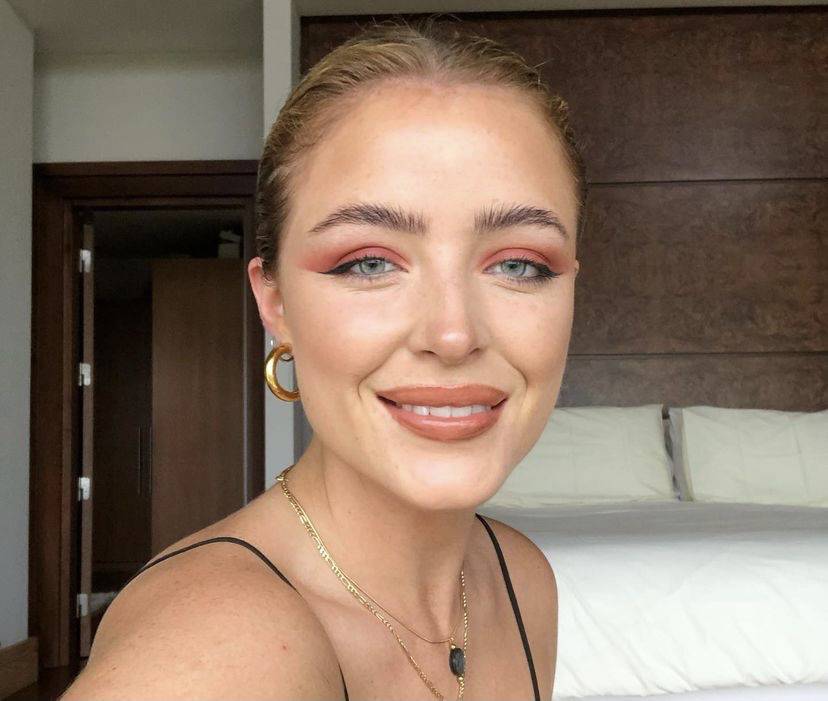
Juliana Sheil is an advocate for a new Women’s Aid campaign called Too Into You, which aims to educate people on the signs of unhealthy relationships and help young people talk to someone they think might be experiencing abuse.
“One of the hardest parts of being in an abusive relationship is getting and staying out of it. It took me six tries to get out of mine, and it was the support of my friends and family that helped me stay out.”
Those are the words of Juliana Shiel, a survivor of intimate relationship abuse who will speak at a Women’s Aid conference today to mark the UN's International Day for the Elimination of Violence Against Women.
And 53% of young people were not aware that sharing intimate images without consent is now a crime.
Ms Shiel is an advocate for a new Women’s Aid campaign called Too Into You, which aims to educate people on the signs of unhealthy relationships and help young people talk to someone they think might be experiencing abuse.
She believes that friends and family play a vital role for someone trying to leave an abusive relationship.
“It is likely that someone in an abusive relationship is being manipulated into thinking their partner is the only person that truly cares about them, so showing love and support to someone you think might be in an abusive relationship, even if they show signs of pushing you away, is vital,” she said.
"I was in a relationship with a man one year older than me, I met him in my first year of college and there was some pretty severe domestic violence involved.
"My self-esteem was absolute rock-bottom and I was completely isolated, I had cut myself off from friends and family because of this relationship.
"About a year and a half after the relationship ended, I had a five-minute phone call with Women’s Aid. It was the first time I felt validation for what I’d gone through. It was the first time I felt like someone really took me seriously, understood what I was feeling and the damage that had been done."
Ms Shiel said other people's reactions — which made her feel that she was not believed or was exaggerating — had prevented her from talking about the abuse before.
Untrue stereotypes of a domestic abuse victim as "damaged, delicate and frail" also prevented her from speaking out sooner.
“Every time I put up a post about domestic abuse or domestic violence, I get messages from women that I know and women that I don’t, telling me they’ve gone through the same thing. It’s so much more common than you’d think,” she said.
President Michael D. Higgins, Justice Minister Helen McEntee, and Irish and international experts will also address today's online event.
- If you are affected by any of the issues raised in this article, please click here for a list of support services.