Report urges speeding up of new family law courts system
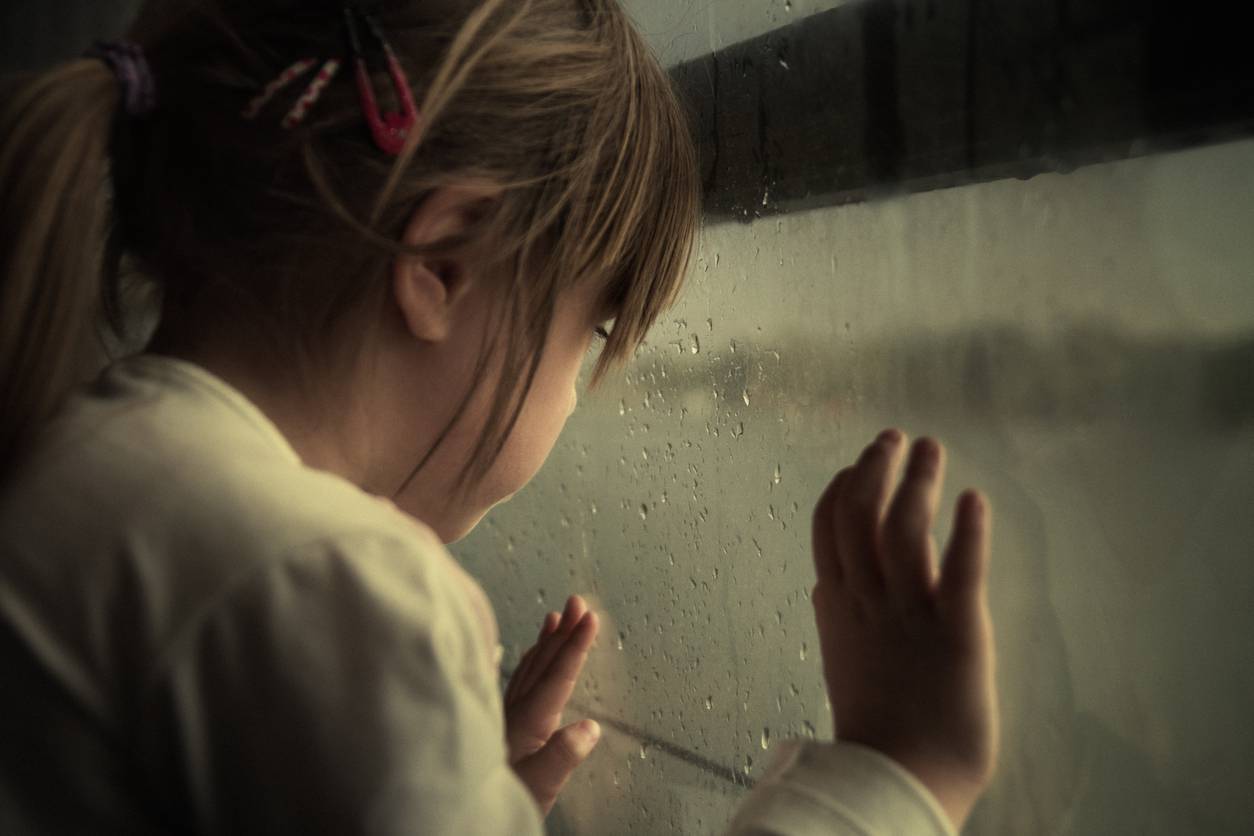
The report, Ripe for Reform: An Analytical Review of Three Years of Court Reporting on Child Care Proceedings, found that abused or neglected children face delays in accessing services. File photo: iStock
Some of the country's most vulnerable children who find the subject of their care before the courts face delays in therapeutic, disability, and mental health services, often exacerbating problems that begin in homes where they have suffered abuse or neglect.
That is according to a new report by the Child Care Law Reporting Project, which follows childcare proceedings in the district and High Courts.
It recommends that children in care and who may be at heightened risk of serious sexual exploitation — possibly by organised groups — need enhanced supervision by gardaí and Tusla.
It also makes recommendations over how to deal with “extremely challenging” cases where one parent has killed the other, arguing there should be urgent therapeutic intervention and new avenues of care for the children affected.
The report recommends the establishment of a family court, noting that "parental addiction is the core reason for a significant proportion of children coming into and remaining in care".
It highlights the impact of the pandemic in complicating the situation for already vulnerable children, describing it as a “perfect storm”. It points to children so severely neglected they ended up in hospital due to headlice, with fears in one case that a girl may enter septic shock.
The report, , by Maria Corbett and Carol Coulter, looks back at cases from the past three years, including six involving girls thought to be at risk of sexual exploitation.
- "In a very concerning case heard in the Dublin court, two children entered care on foot of a section 12 intervention by the Gardaí, who described the home to be in a derelict state. One of the children was admitted to a hospital’s intensive care unit in a distressed state with skin infections from scabies and the most serious case of head lice the paediatric consultant had ever seen. The girl’s condition deteriorated overnight and the hospital staff feared that she was entering into septic shock.
- "Another school-going child was also hospitalised with infection due to head lice infestation. The child’s school principal had had concerns about the neglect of this child and her sister, but when the schools were closed she was unable to maintain contact with them. She told the court the class teacher had arranged Zoom meetings but unfortunately the child did not participate in any of them. The court heard this child’s younger sister was in hospital due to her having scabies, ringworm and head lice."
- "The impact of parental addiction on a child can be gleaned from the social worker’s testimony that a young child described herself as 'the unluckiest girl in the world' because of her mother’s drinking. She said that when her mother poured the drink from the 'bottle with the red top' it usually meant her mother would go to sleep before she would. When this happened, the child would be all alone in the dark except for the light of the computer tablet but when the tablet battery died, she hated the long night in the dark. The child said she hated the long summer evenings most as it was a long time to wait to see if her mother was going to start drinking. She told her social worker that she was afraid she might grow up to be a bad person. She said she would like to hug her mother but that her mother had pushed her away."
- "In one case we observed, a primary school-age child was considered a risk to his mother and siblings. Due to his young age, no suitable special residential placement was available, but an interim care order was made nonetheless. The GAL told the court that CAMHS said they were unable to work with a young child with multiple referrals for serious behavioural issues as “he did not have a stable home”.
- "In one case, a young boy in care had a range of personal difficulties including pica, an eating disorder involving ingesting non-nutritional substances. In another case, a girl of primary school age was involuntarily detained in a psychiatric unit due to a serious eating disorder (anorexia nervosa) and was receiving daily nasal gastric feedings.
- "In another case, an Interim Care Order was granted in respect of a toddler because of the mother’s alcohol addiction problems. The father, who had been involved in the child’s life since birth, was not in a position to care for the child as he did not have permanent accommodation. He was homeless and temporarily sleeping on the couch at a friend’s house."
- "The reports reveal some positive outcomes for children and their families. One was the case of a boy who spent 11 years in care and was preparing to sit his Leaving Certificate with a view to studying social work, as well as the reunification of a young mother and her baby following the discharge of a supervision order, where the mother had received supports from the CFA."
The findings are contained in a new report by the Child Care Law Reporting Project (CCLRP), which focuses on child care proceedings before the court, with those behind the project arguing the time has come for serious reform.
The report, entitled Ripe for Reform: An Analytical Review of Three Years of Court Reporting on Child Care Proceedings, analyses primary data from 391 published and unpublished case reports, as well as a small number of High Court cases and related research.
The report, by Maria Corbett and Carol Coulter, was commissioned by the Department of Children, Equality, Disability, Integration and Youth and is the eighth analytical report by the CCLRP. The authors said it comes "at a crucial time for child care law and family law generally in Ireland, when legislation to set up a separate Family Court has been published and the pivotal Child Care Act 1991 is under review."
The main recommendations of the report include the establishment of a family court, noting that "parental addiction is the core reason for a significant proportion of children coming into and remaining in care" and such issues would be better dealt with through Family Drug and Alcohol Courts.
The CCLRP also said any gaps in the law, such as those involving voluntary care agreements, in which a young person may face into an uncertain future once the placement ends, should be addressed, as should methods of incorporating the views and best interests of the child.
Among other recommendations is that the Health Service Executive take the lead in commissioning a review of how the mental health needs of children in care or at risk of entering care can be met, as well as a joint protocol between the HSE, Tusla and An Garda Siochana where a child in care presents in a crisis seeking emergency medical or psychiatric care.
It also recommended a review of the need for appropriate interventions for young people who do not meet the threshold for secure care, but who need ongoing protection and therapeutic care, so they can secure appropriate placements and services as a matter of urgency.
The report also noted the disproportionate representation of children from Traveller and migrant communities and that this should be researched further.
One chapter examines a small number of especially challenging cases, including domestic homicide.
"Over the past three years, we attended four cases where there had been an alleged killing or attempted murder of a mother by the father of her child or children and the children were taken into care. In one case, the father was acquitted on a murder charge and the child returned to his care," it said.
In addition to the trauma experienced by the children, the report said: "There are no guidelines on who may be the best person or people to care for the children, or whether specific training might be required for their carers.

"Legal reforms identified to remedy these issues include considering making the victim’s close relatives notice parties to the proceedings where reason is given; permitting, in exceptional circumstances, close relatives to seek legal guardianship without caring for the child for a minimum of a year as currently required. In addition, the need for early intervention specialist support was identified."
As for the impact of the pandemic, it said: "The pandemic compounded weaknesses in child protection services and child care proceedings creating a 'perfect storm': children were less seen by those who might identify a concern, home environments became more difficult, the safety of school and therapeutic services disappeared, social workers were no longer able to communicate face-to-face, access was stopped or reduced, reunifications stalled, and assessments were delayed, which in turn delayed court proceeding."
CONNECT WITH US TODAY



Be the first to know the latest news and updates