Over 170 tonnes of wipes flushed down toilets in Cork city over eight months
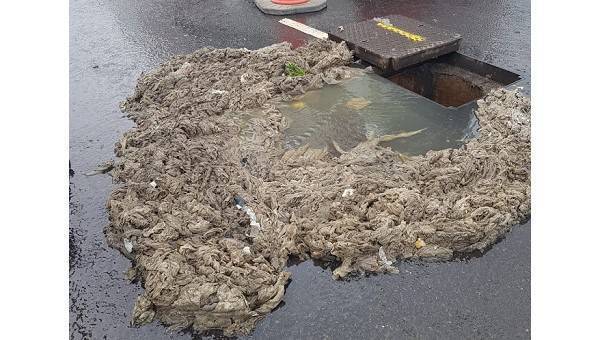
Just some of the wipes cleared out of Cork's sewers. Picture: Simon Lyons
One in four Irish adults knowingly flush items down the toilet that will cause blockages.
Irish Water say thousands of sanitary items such as wet wipes and cotton buds are flushed instead of being put in the bin.
The most common items being flushed and causing blockages are hair, wipes, paper towels, toilet wipes, dental floss, cleaning wipes, tampons, baby wipes, facial wipes, cotton buds and cigarette butts.
In this first eight months of this year, the people of Cork city flushed 171.28 tonnes of wipes.
This is up on the same period in 2020 when the amount of wipes flushed weighed 162.9 tonnes.
According to data shared by Simon Lyons, Senior Executive Engineer, Drainage at Cork City Council, May 2021 saw a record amount of wipes found in the sewer system.
Mr Lyons is tracking the monthly trends of wipes being flushed and sharing his findings on social media in an effort to highlight the issue and reduce the prevalence if wipe flushing.

Every month approximately 2,000 blockages are cleared from the wastewater network, something which Tom Cuddy, Head of Operations at Irish Water says is causing big problems.
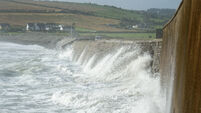
Creating these blockages causes surface water overflows and sewage related litter on our beaches and in the ocean which damages the marine environment. Sewage-related litter is the third largest category of beach litter.
People under the age of 35 were found to be the most likely to flush unsuitable items down the toilet on a regular basis. In recent years, there has been an improvement in the number of people flushing wipes down the toilet.
Historically, wipes were the most common item to be flushed but incidences have dropped 38% over the last three years. However, one in 10 people still admit to flushing them down the toilet. The pandemic has led to people using wipes more often as they seek to keep their hands and surfaces clean.
"We understand everyone’s focus is to keep safe and healthy and that there is an increase in using wipes in the home. However, there is a way people can help keep the marine environment clean also," said Sinead McCoy, Clean Coasts.
"By making sure wipes are put in the bin and not in the toilet, people can help keep our waters and coasts safe, clean and healthy too."
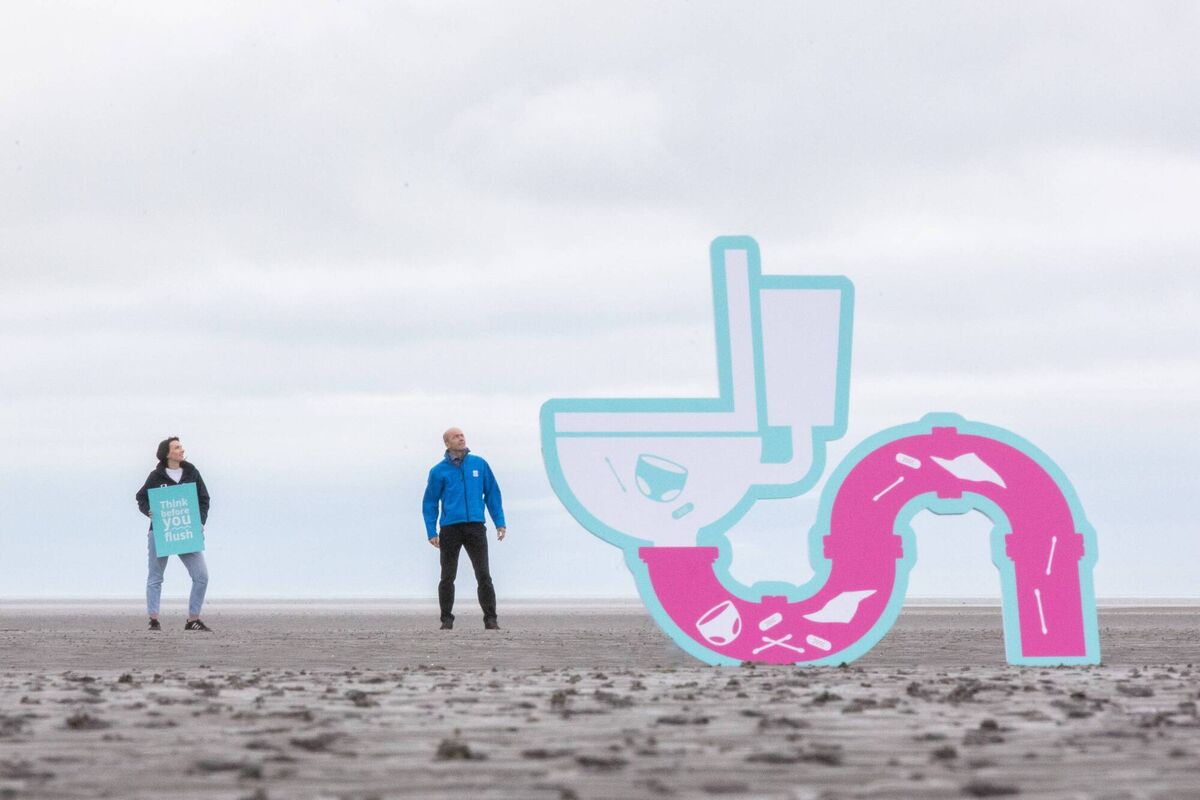
People are advised to put all wipes into the bin after use even if they are labelled as flushable.
To mark UN World Toilet Day today, Clean Coasts and Irish Water have teamed up for a public awareness campaign to address the issue of flushing unsuitable items down the toilets.
The 'Think Before you Flush' campaign asks people to look after their toilet and the environment by only flushing the three Ps: pee, poo and paper.
"When other items are flushed they cause issues for our wastewater system and can have a harmful impact on our natural environment," said Ms McCoy.
As well as creating awareness around flushing behaviour, UN World Toilet Day also seeks to highlight the fact that 3.6 billion people worldwide are living without access to safely managed sanitation.
The UN says that public health is dependent on toilets and an adequate sanitation system and has called on Governments to work faster to ensure toilets for all by the year 2030.
"Unless everybody in a community has a safe toilet, everybody’s health is threatened," a UN statement on World Toilet Day said.
"Toilets also enable quality health care. The presence of safe, clean, accessible and acceptable toilets in health facilities is a non-negotiable basic requirement."

CONNECT WITH US TODAY



Be the first to know the latest news and updates