Covid testing and tracing to continue 'well into next year'
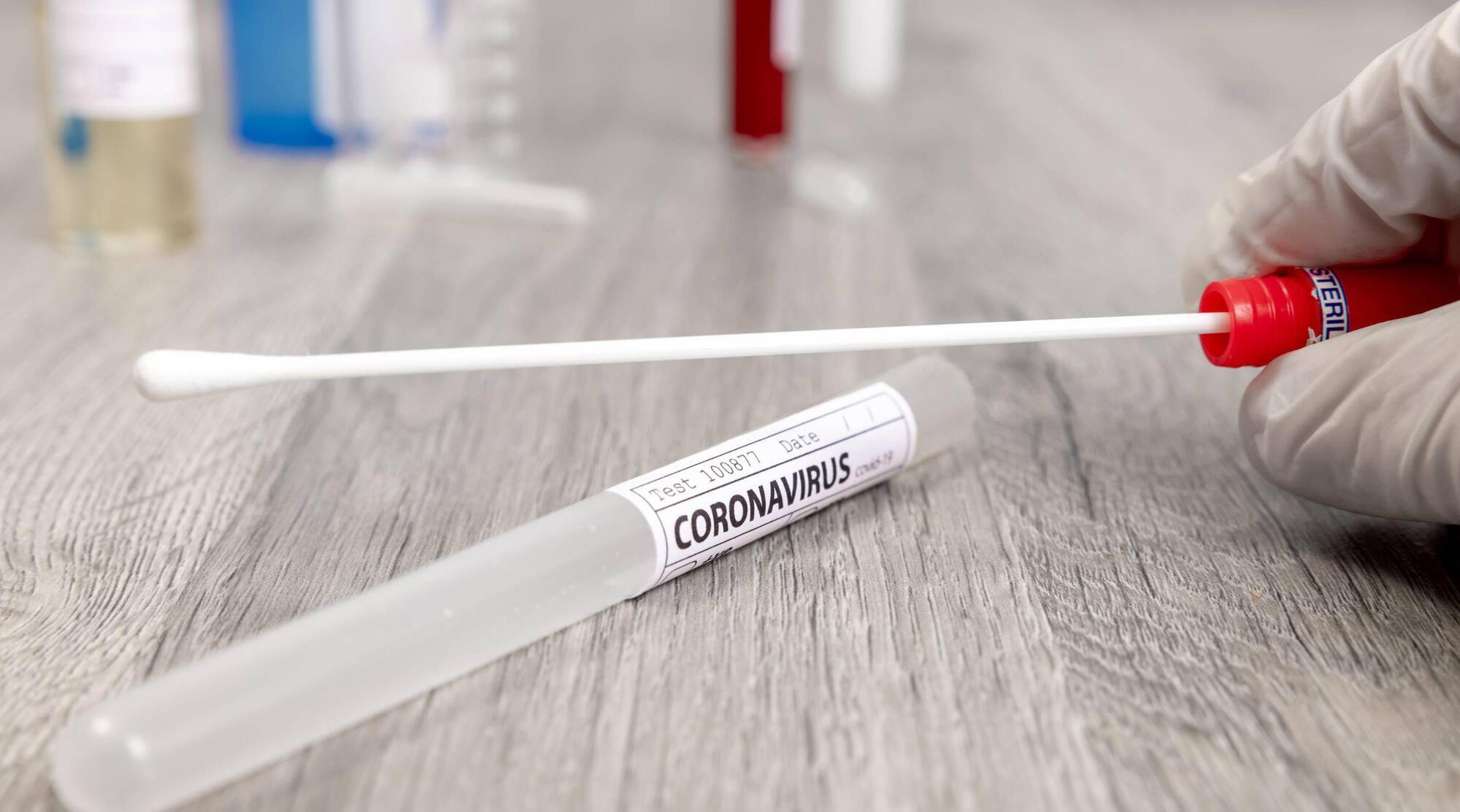
In some areas testing was busier and additional supports has been put in place to cope with the demand in the short term as more symptomatic people were being tested which had resulted in more positive cases of Covid-19.
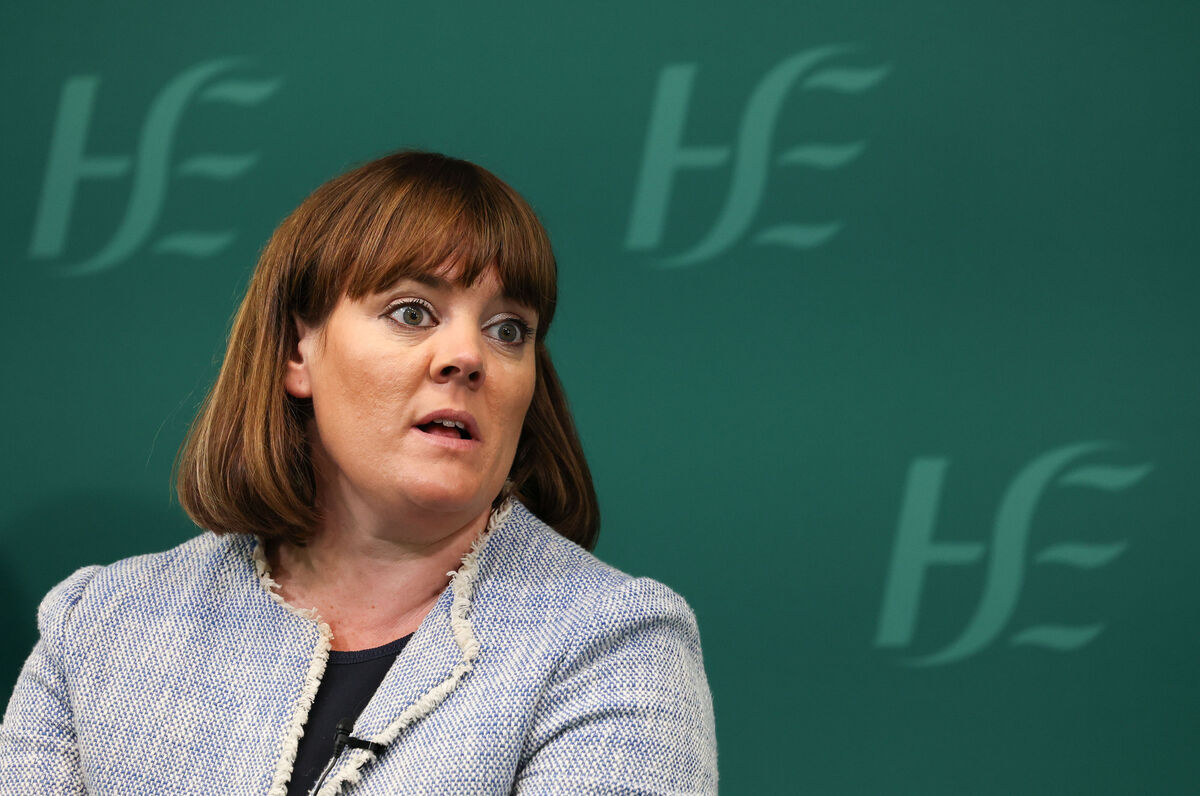
The HSE’s National Lead for Testing and Tracing has said that the service will continue “well into next year” with thousands of staff remaining involved.
In the long term, testing and tracing would be embedded into the health system as it would be needed “for some time to come” Niamh O’Beirne said.
Ms O’Beirne was speaking on RTÉ radio’s show as the positivity rate for Covid-19 in the community has started to rise to its current level of 10%, with counties Kerry and Waterford reporting rates of up to 15% and a rate of 13% in the border counties Monaghan and Donegal.
There had been a change in the trend in the past six or seven days. In some areas testing was busier and additional supports has been put in place to cope with the demand in the short term as more symptomatic people were being tested which had resulted in more positive cases of Covid-19.
There had always been a high positivity rate for close contacts in households, that was now 25% while the rate for social contacts was 10%.
However, there was also the issue at present of upper respiratory infections which highlighted the importance of people with symptoms being tested, she said.
On Monday 17,000 tests were carried out in the community, which Ms O’Beirne acknowledged was “quite high” – a 5% increase from the previous week.
Of the people testing positive the median age had changed from 27 years to 34 years, she said with more people over the age of 65 testing positive with fewer in the teen cohort and in their 20s and 30s.
Unvaccinated people in the 30 years to 50 years group were more likely to end up in hospital she said with 40 per cent to 50% who tested positive being unvaccinated.
Community teams were continuing to monitor outbreaks in residential care settings, among staff and residents, but she did not anticipate a need to restrict visiting hours despite the “continued challenges”. The booster campaign should have a positive impact, she said.
Ms O’Beirne, who was seconded to the HSE to lead the contact tracing service, said she expected to return to her position in Ernest Young “sometime this year”.
If there came a point when it would be appropriate to change the format of contact tracing, that would be a decision for the National Public Health Emergency Team.
Ms O’Beirne said there were no plans in place to reduce the level of testing and tracing as further restrictions were eased on October 22nd. The timing of when the country moved from pandemic to endemic was currently unknown, she said.


CONNECT WITH US TODAY



Be the first to know the latest news and updates