WHO warns jabs alone don't solve weight loss as it forecasts doubling of global obesity numbers by 2030
Dr Tedros Adhanom Ghebreyesus, WHO director general, said weight loss drugs 'are a powerful clinical tool offering hope to millions'. File photo
Weight loss drugs like Ozempic and Mounjaro offer hope to millions as obesity becomes one of the most serious global public health challenges, affecting up to two billion people by 2030, the World Health Organisation (WHO) has said.
The WHO, which has launched its first guidelines for use of skinny jabs, warned that medicines alone will not solve the challenge as it called on governments to create healthier societies.
Some 56% of people in Ireland are living with obesity or are overweight, according to the latest Department of Health figures.
Dr Tedros Adhanom Ghebreyesus, WHO director general, said: “Obesity is one of the most serious public health challenges of our time. Globally more than one billion people are living with obesity, and that number is expected to double by 2030.”
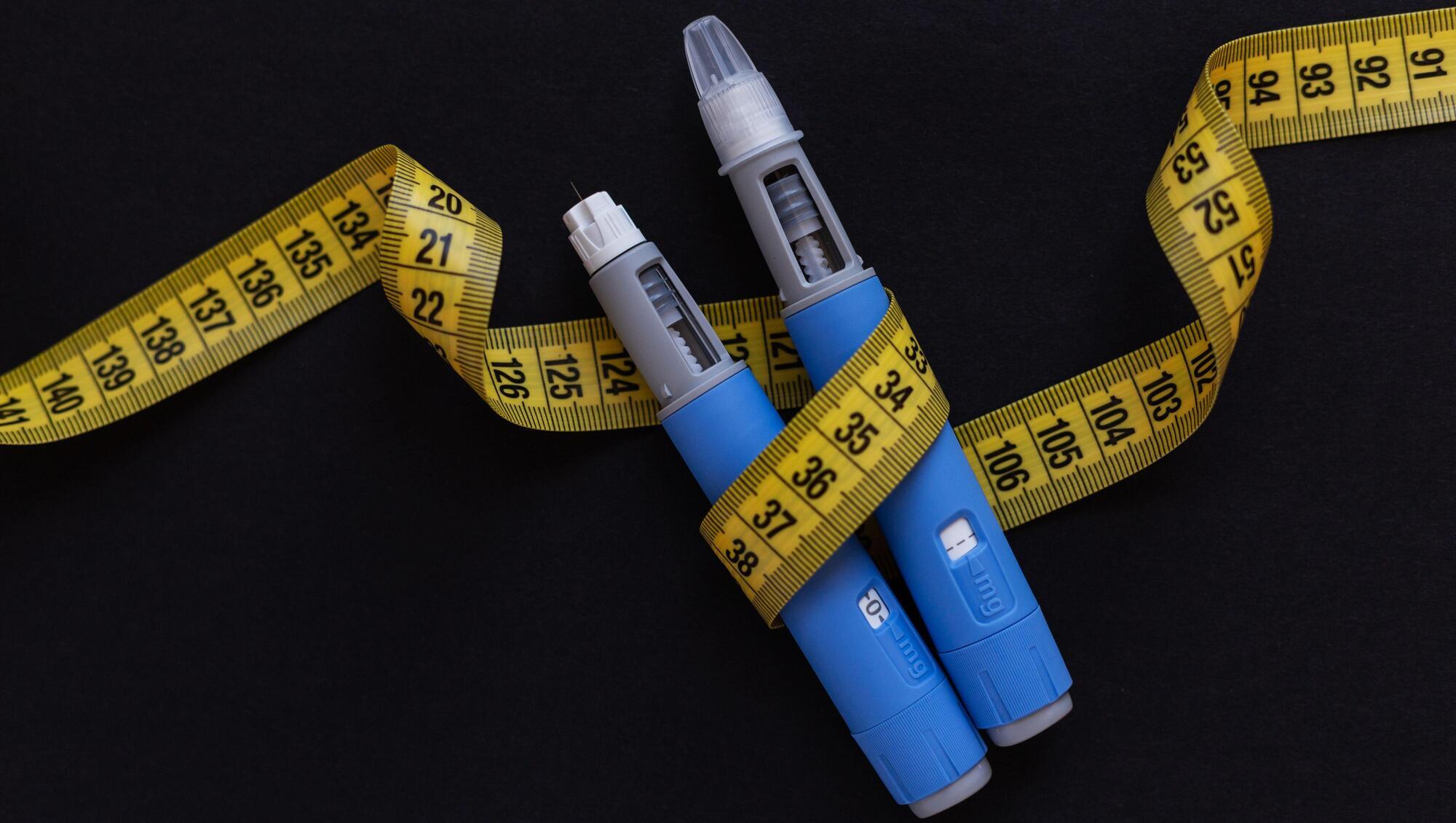
In recent years, it has been discovered GLP-1 therapies, often referred to as skinny jabs, developed to treat diabetes, can also impact obesity. On Monday, the WHO published its first guidelines with some conditions.
“These new medicines are a powerful clinical tool offering hope to millions,” the director general said.
He also called for healthier environments to promote health and prevent obesity. Anyone at high risk for becoming obese needs early access to treatment, and there should be lifelong care.
“Crucially, the use of GLP-1s does not replace the need for healthy diet and physical activity. Our recommendation is conditional, and we acknowledge the challenges,” he said.
More long-term data is needed on the safety and effectiveness of long-term use, he said, as well as what happens when patients stop using the jabs.
The WHO also noted that common advice is to use these therapies in parallel with more exercise and a healthier diet. It said its reservations are “based on low-certainty evidence suggesting it may enhance treatment outcomes".
He also raised concern about costs, saying: “These medicines could widen the gap between the rich and poor."
In Ireland, Saxenda is funded for weight loss, but Ozempic so far is only funded for diabetes care. It can cost around €150 monthly for weight loss. There are also fears of shortages impacting diabetes patients.
Mounjaro is under funding consideration for diabetes and weight loss. It costs around €275 a month privately.
The WHO also cautioned: "GLP-1 therapies are projected to reach fewer than 10% of those who could benefit by 2030.” It called for pooled procurement, tiered pricing, and voluntary licensing to be considered.

CONNECT WITH US TODAY



Be the first to know the latest news and updates