'Broken' mental health service in need of €85m
'Broken' mental health service in need of €85m

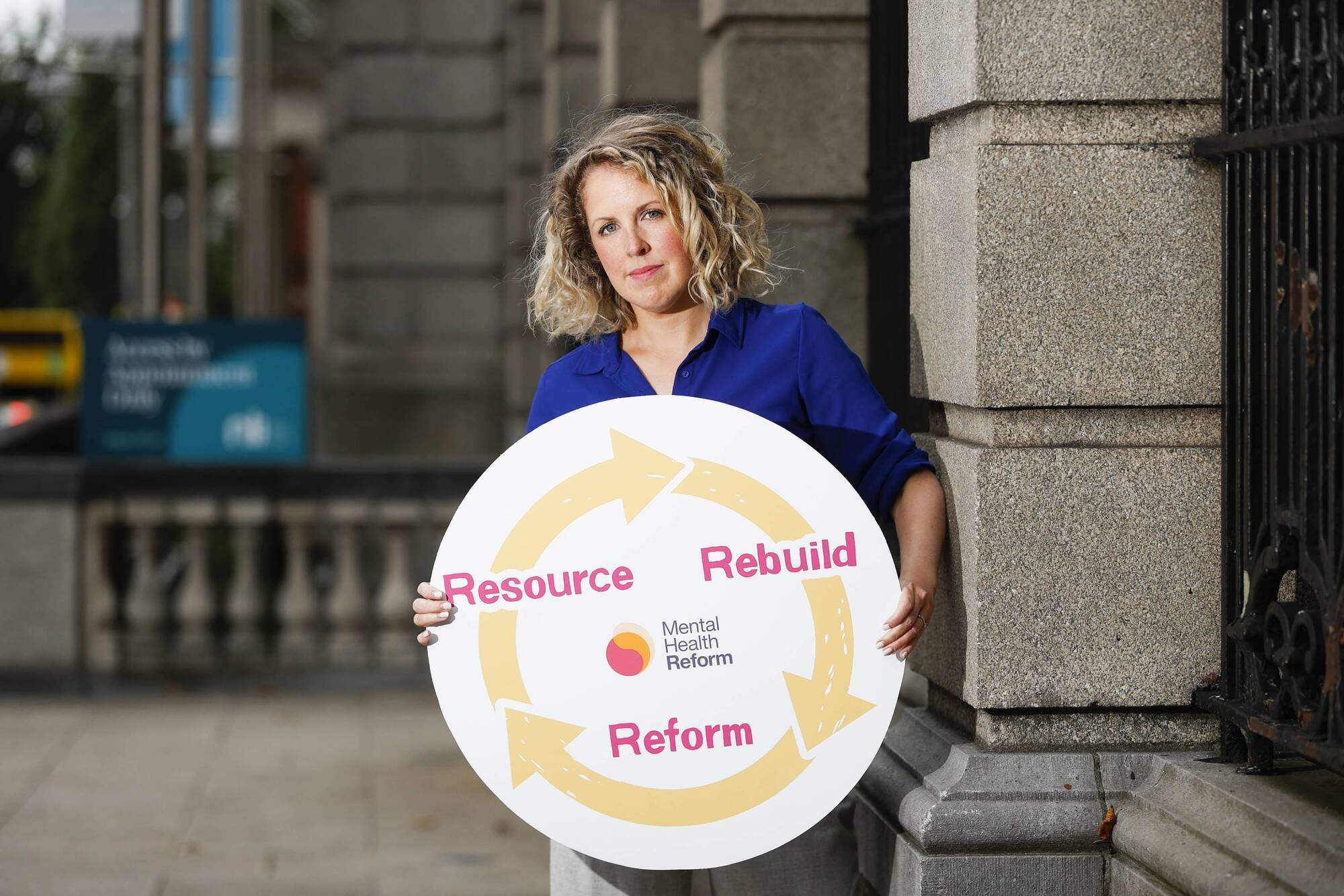
Mental Health Reform chief executive Fiona Coyle is calling on the Government to invest €85m in Ireland’s mental health services in Budget 2022 to address the long-term mental health impact of the Covid-19 pandemic. Picture: Conor McCabe Photography

Ireland is facing a psychiatric “shadow pandemic” where the burden of trauma will have a profound impact on mental health and primary care services for many years, according to a pre-budget submission.

Mental Health Reform called on the Government to invest €85m in mental health services next year – including €65m on developing new services.


MHR chief executive officer Fiona Coyle said the country “cannot go back to a broken system”, dogged by long waiting lists, staff shortages and a lack of available therapeutic support in many areas.

She said Ireland spends 6% of its overall health budget on mental health, compared to 10-13% in Sweden, Netherlands, Germany, France and the UK – and urged the Government to bring the level to 10% by 2024.

MHR wants the following investment in Budget 2022:

  • Recruitment of primary care psychologists and assistant psychologists to reduce waiting times and divert referrals from specialist services;
  • €2m in national advocacy services for children and adults with mental health difficulties in hospital, prison, residences and in the community;
  • €6.5m for the national expansion of the CAMHS Connect model to improve out-of-hours crisis intervention mental health services for children and young people;
  • €7.8m in national clinical programmes to meet specific mental health needs, including eating disorders and psychosis;
  • €15m in the community and voluntary sector to support the delivery of mental health services, including counselling and psychotherapy;
  • Affordable housing for people with mental health disabilities, including €1m to maintain 10 tenancy sustainment officer posts;
  • €5.5m to improve mental health supports in the prison system.

The investment in national clinical programmes includes €4m to continue the rollout of the promised three new eating disorder teams and “sufficient funding” to complete the delivery of all 16 planned teams across the country.

Ms Coyle said Covid-19 was “a mental health emergency" as well as a physical health one, adding: “There is a deep and growing concern that the largest and longest- term consequence of this pandemic will be felt in the significant mental health impact in the months and years ahead."

MHR is a national coalition representing 77 community and voluntary organisations.

“Our mental health system is under severe pressure with long waiting lists, staff shortages and a lack of therapeutic support in many areas,” said Ms Coyle. 

“The pandemic has further exposed these shortfalls as mental health services struggle to meet increasing demand.”

More in this section

Lunchtime News

Newsletter

Keep up with stories of the day with our lunchtime news wrap and important breaking news alerts.

Cookie Policy Privacy Policy Brand Safety FAQ Help Contact Us Terms and Conditions

© Examiner Echo Group Limited