One in four nine-year-olds are obese or overweight
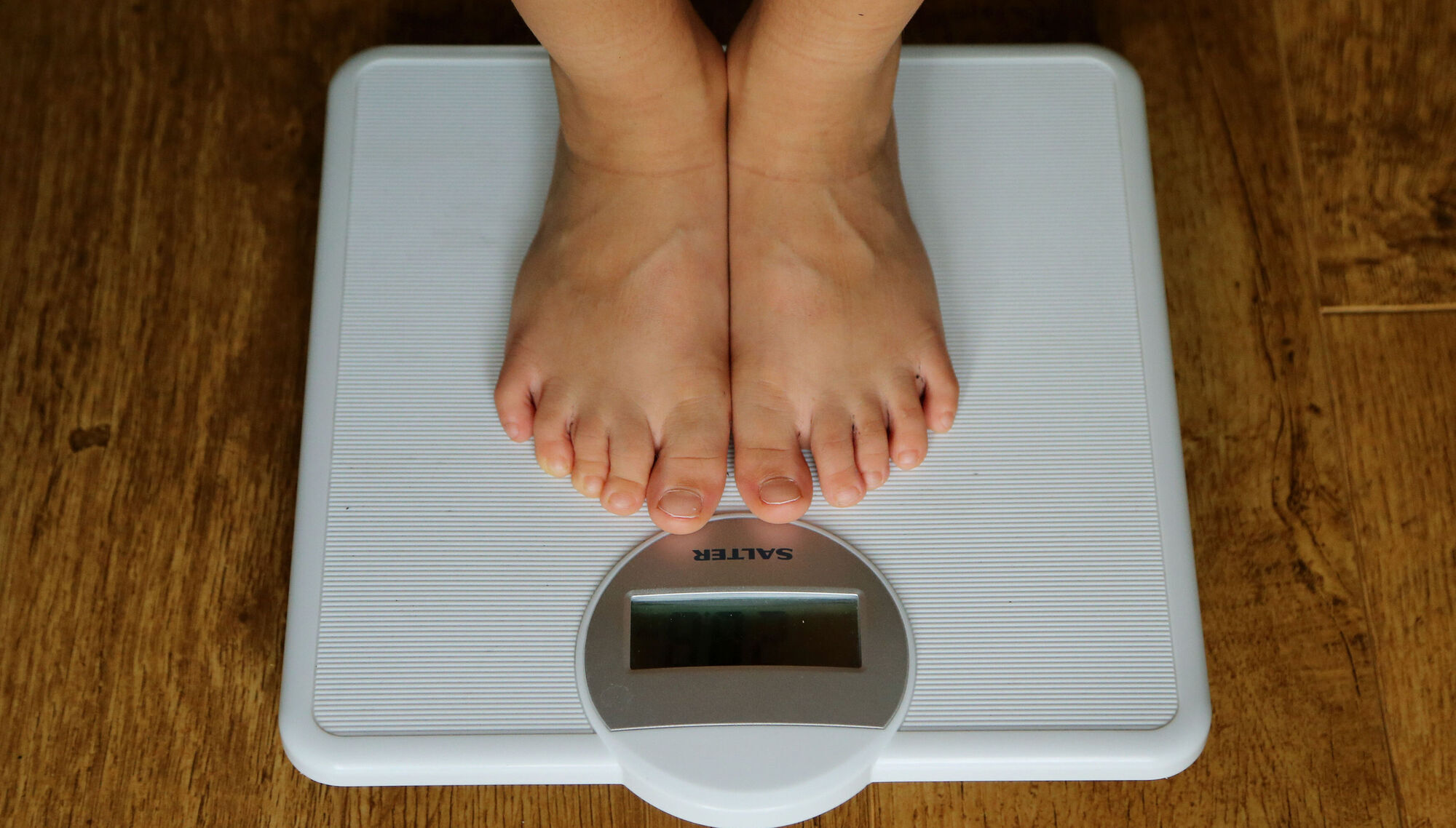
According to the study, based on data relating to 8,000 children, almost one-quarter of nine-year-olds were overweight or obese, while 18% were overweight and 5% were obese. File Picture: Gareth Fuller/PA Wire
Two new reports have shone a striking light on the poor health of children and teenagers in Ireland.
One new study, including some 8,000 children, has found that one quarter of the country's nine-year-olds are either overweight or obese, with girls more likely to fall into these categories than boys, and children from disadvantaged backgrounds much more likely to suffer from poor health.
A second, unrelated study of Irish teenagers, has found that many are not getting enough nutrients in their diets, with calcium and Vitamin D among the missing elements.
The latest findings from the report from the Economic and Social Research Institute (ESRI), found that children's health and wellbeing are strongly linked to their family circumstances, with the authors warning that existing disparities could be worsened by the impact of the Covid-19 pandemic.
According to the study, based on data relating to 8,000 children, almost one quarter of nine-year-olds were overweight or obese, while 18% were overweight and 5% were obese.
Almost one third of those from the lowest-income families fall into these categories too, in comparison to 15% of those from the highest-income families.
Among the aspects of concern raised by Dr Eoin McNamara, co-lead author, is that these findings are based on data which predates the Covid-19 pandemic and that the pandemic has worsened the levels of disadvantage in the country.
He said: “[This report] does highlight disparities along the lines of family income and social class that could potentially be magnified as a result of the pandemic and associated lockdown measures — particularly in terms of health — and education-related developmental outcomes.”
Overall, almost all nine-year-olds were reported to have good general health, 79% were very healthy, and 20% were healthy (but had a few minor problems) — and just 1% were described as quite ill or always unwell.
Elsewhere, a separate study has warned that some teenagers are not getting enough nutrients in their diet.
The findings come from a new study from the Irish Universities Nutritional Alliance, looking at the dietary intakes of 428 Irish teenagers aged 13 to 18 years.
It found inadequate intakes of a number of important nutrients, with a particularly high percentage having inadequate intakes of calcium (51%) and vitamin D (94%).
Inadequacies were also shown for other nutrients, including vitamin C, riboflavin, vitamin B6 and vitamin A.
One of the lead researchers of the study, Dr Janette Walton from Munster Technological University, said: “We were particularly concerned to see such high levels of inadequate intakes of key bone health nutrients such as calcium and vitamin D.
"Our calcium needs are at their highest between the ages of nine and 18 years as we lay down our bone mass, with vitamin D needed to absorb calcium.
"Consuming enough calcium and vitamin D during the teenage years is essential, therefore, to help our bodies to build the strongest bones they possibly can.”

CONNECT WITH US TODAY



Be the first to know the latest news and updates