Mother and Baby Homes: State paid for 2,400 pregnant women to be repatriated from England
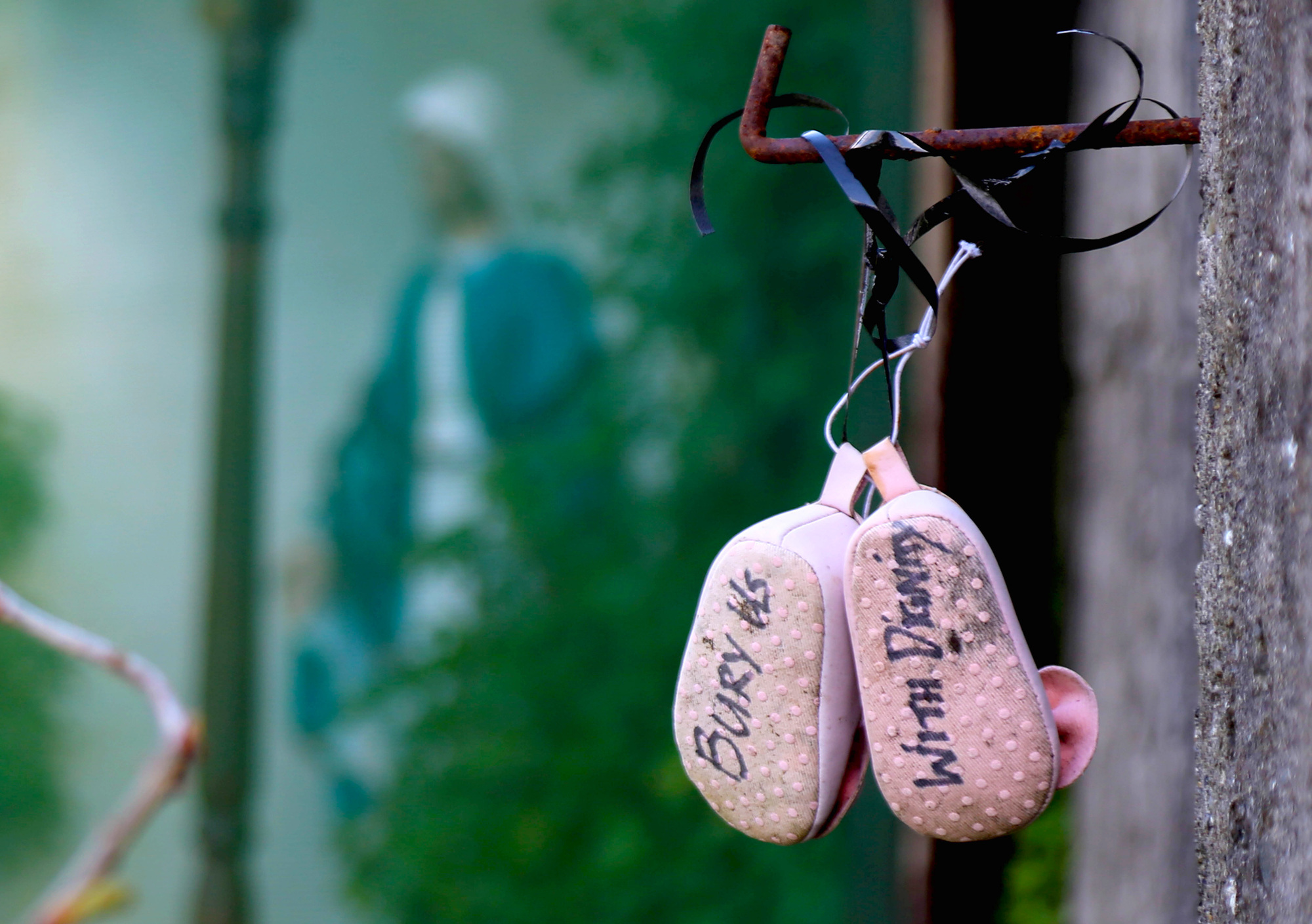
"The number of pregnant unmarried Irish women who came into contact with British welfare services — both voluntary and public — was so great that they were commonly known by the initials, PFIs — Pregnant from Ireland," the report states. Picture: Hany Marzouk
The Irish government paid for the repatriation of 2,434 pregnant women over a 23-year period, many against their will, after English Catholic charities complained about unwed Irish mothers in Britain.
The Commission of Investigation report into the Mother and Baby Homes found that many pregnant single women travelled to Britain as "an obvious destination" for anonymity and to have their babies in secret.
However, often they found that England was less welcoming than they had hoped.
"The number of pregnant unmarried Irish women who came into contact with British welfare services — both voluntary and public — was so great that they were commonly known by the initials, PFIs — Pregnant from Ireland," it states.
After little success, in 1929 Cannon Craven of the Crusade of Rescue (English Catholic charity for unwed mothers) adopted a "personal crusade" on the issue, and said that sending these women back to Ireland would be “a good way of showing authorities in Ireland a sense of what is happening”.
He complained the women "lack all sense of responsibility" and claimed the women blackmailed the Church into helping them. The report notes that Craven "probably exaggerated" the issue in order to have the women sent home.
In 1931, the English Catholic hierarchy contacted John Dulanty, the Irish high commissioner in London, and convened a meeting in the high commission between representatives of the then- Irish Department of Health and English Catholic welfare organisations.
It was agreed that the high commission would pay half the costs of repatriating first-time mothers who became pregnant in Ireland.
Keeping up the pressure on the government, the Archbishop of Westminster, Cardinal Hinsley, wrote to Taoiseach and minister for external affairs, Éamon De Valera. He claimed that single women who became pregnant were, "intending to leave the child in England as a charge upon the generosity of English Catholics".
"This repatriation scheme is significant because it brought Irish government officials — the London High Commission/later Embassy, into direct contact with unmarried mothers. It was also the only instance where Irish embassies took responsibility for the welfare of a cohort of emigrants," the report states.
From 1948 to 1971, 2,434 women were repatriated. The real number is certainly higher due to no records available for 1966.
The number peaked in 1967 at 213, and the lowest recorded number was 33 in 1971. Most of the women were in their early 20s, the youngest was 15. Many of these women were then sent to mother and baby homes.
"Notes relating to one woman stated that her caseworker said: 'If she fails to cooperate: 'I insist you should return to Ireland straightaway'.
"In further correspondence, a social worker claimed that if a woman failed to attend an antenatal appointment she would inform the woman's family of her pregnancy and her employer."
The agreement reached was for the Irish State to return women who became pregnant in Ireland only, but the report found, the State was often prevailed upon to bring home women who had become pregnant in England.

CONNECT WITH US TODAY



Be the first to know the latest news and updates