Almost two-thirds of Irish people doubt Ireland will meet emissions targets
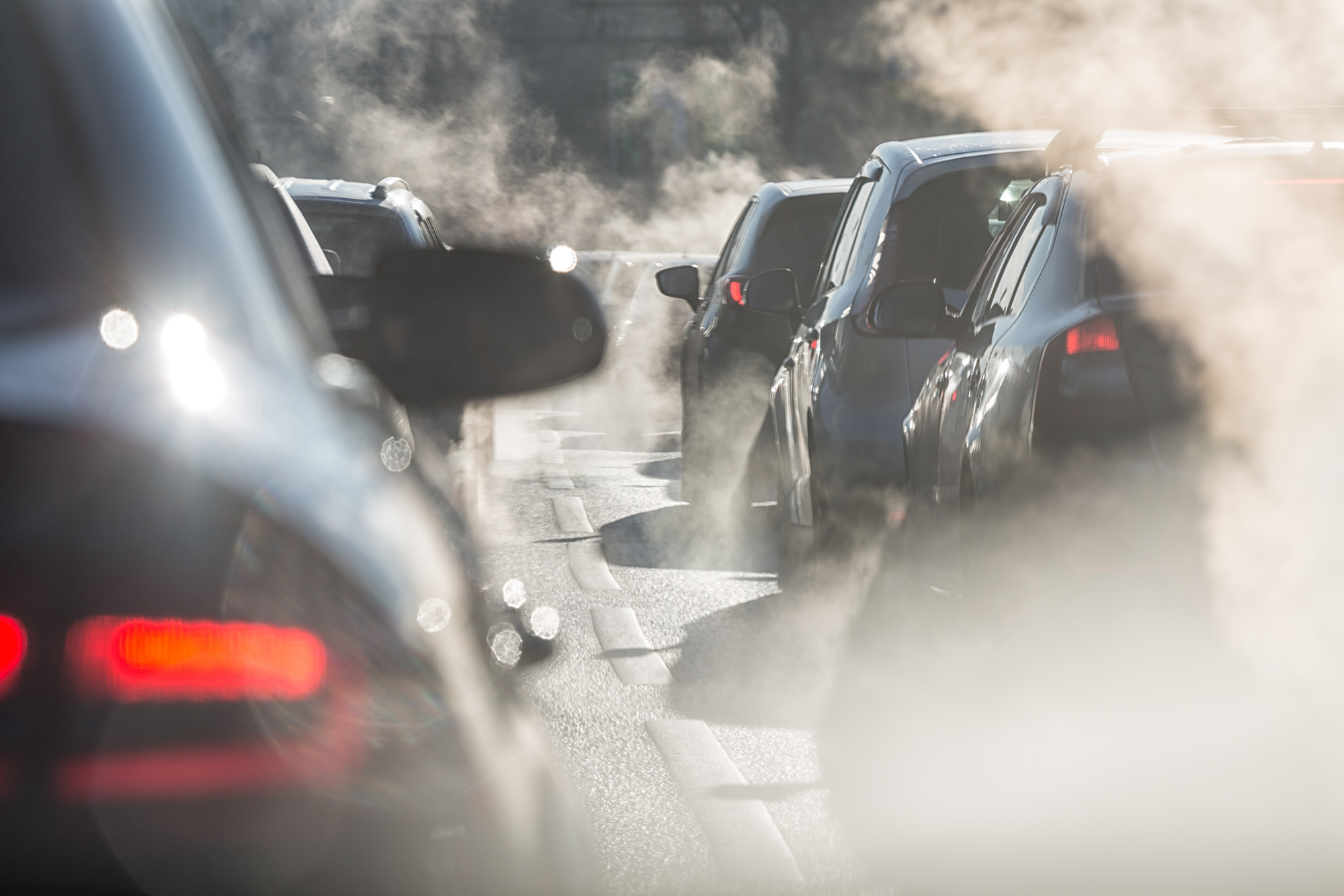
Just 37% of the Irish public believe Ireland will meet the EU target of a 30% reduction in greenhouse gas emissions by 2030, a survey has found.
Almost two-thirds of people are doubtful that Ireland will meet the targets set by the EU for emissions by 2030, despite the majority of people overwhelmingly supporting their reduction.
Those are some of the findings of a survey of more than 1,000 people over the age of 16 by geographic information systems (GIS) firm Esri Ireland, which also found major scepticism on whether sales of cars powered by fossil fuels would actually be banned by the end of the decade as planned.
Just 37% of the Irish public believe Ireland will meet the EU target of a 30% reduction in greenhouse gas emissions by 2030, the survey found.
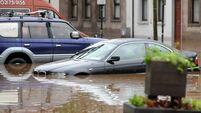
Despite the scepticism, three-quarters agreed that Ireland should strive to meet the EU 2030 emissions target, with half of those surveyed concerned about the impact of environmental damage on their home or property due to extreme climate-related events, such as rising sea levels.
Ireland will report greenhouse gas emissions and removals from managed wetlands (including bogs) as part of progress towards EU greenhouse gas targets. This puts us on stronger footing accounting for greenhouse gas emissions and removals #ClimateActionIRL https://t.co/tv5lYjnRVT pic.twitter.com/MmxCyKFAgz
— Department of Climate, Energy and the Environment (@DeptCEE) January 7, 2021
Managing director of Esri Ireland Paul Synnott said: “This survey highlights the widespread support amongst the public for positive climate action. In order to meet the targets laid down by the EU and within the programme for government, real and meaningful action needs to
happen now.
"Now is an opportune time for governments, businesses and NGOs to integrate geographic thinking into their operations and planning to deliver more sustainable results and better-informed data in the fight against climate destruction."
The survey also found that just 44% of respondents believe the sale of diesel cars will be outlawed by 2030, falling to 34% for petrol cars.
The Government has previously pledged to ban sales of diesel and petrol cars by 2030, despite it being a conspicuous omission from the recently published Climate Action Bill.
Such a ban was previously included in the National Development Plan, the 2019 Climate Action Plan, and the programme for government in 2020, but left out of the draft of the climate bill when published in October.
The Green Party then insisted a fossil fuel car sales ban remains a priority but that it will be dealt with separately to the climate bill, as it involves complicated legal intricacies within EU law that must be addressed.
Esri Ireland's survey found that 75% of adults in Ireland agree there should be more electric vehicle (EV) charge points across the country.
Transport and Climate minister Eamon Ryan pledged late last year to push for the mass ramping up of electric charging sites, which he said could see 20 points in service forecourts, shopping centres and car parks over the next decade.
He conceded that Ireland is far behind where it should be when it comes to charging infrastructure for EVs, which he described as "far better" than traditional cars.
He said "we will have to act fast, because these cars are coming at scale, and will need powering".
There are currently about 1,100 public charge points available countrywide, according to the ESB, which is currently investing €20m in a comprehensive programme to expand and enhance the charging network, with support from the Government’s climate action fund.


CLIMATE & SUSTAINABILITY HUB
CONNECT WITH US TODAY



Be the first to know the latest news and updates