Starting gun fired on FG vote amid Government formation talks
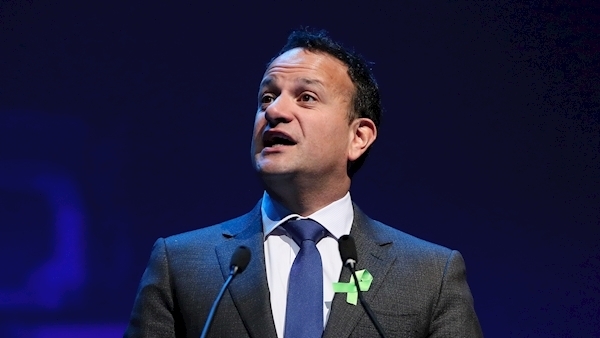
Taoiseach Leo Varadkar has fired the starting gun on a Fine Gael vote for a new government and told other leaders the process could take two weeks.
Mr Varadkar is to ask the party’s national executive to appoint delegates for each constituency, who will be among up to 800 people entitled to vote on any coalition deal.
He has told Fianna Fail leader, Micheal Martin, and Green leader, Eamon Ryan, of the time and process for Fine Gael involved in a postal ballot ahead of all three parties commencing formal government negotiations.
All three parties face pressure to seal a deal quickly, as emergency laws to sanction €4bn in supports for virus-hit businesses cannot be passed without a new government.
Mr Ryan yesterday said he had confidence in his deputy leader, Catherine Martin, after she and TDs Francis Duffy and Neasa Hourigan all voted against entering the talks.
Mr Varadkar told Fine Gael parliamentary party members last night that he had informed Mr Martin and Mr Ryan about the time needed to arrange a postal vote. He said Fine Gael had now started appointing delegates for such a vote and that along with TDs, senators, MEPs, councillors and delegates for each constituency, there were between 700 and 800 who would be entitled to vote on any formal government agreement. But there is no guarantee of a deal being agreed.
Amid internal Green Party opposition to working with Fine Gael or Fianna Fail, Mr Ryan said voting against the talks was not grounds for excluding Ms Martin from the negotiating team: "I think that’s that’s healthy in politics that you have different views and you’re allowed to articulate them, and so I don’’t see that in a factor, one way or another in that regard." Mr Ryan added that he has confidence in Ms Martin in her role in the party, despite their difference of opinion.
Mr Ryan has repeated that a major priority in the government formation talks will be the restarting of the economy post COVID-19, carried out through "a just transition" to a Greener Ireland, including "reassessing how we organise transport and where we work from and how we work".
Fianna Fáil and Fine Gael sent further clarification to the Green Party over the weekend that they would "commit to developing measures to achieve an average of 7% per annum reduction in annual emissions for the next decade", in an effort to get Mr Ryan’s party over the line after days of deadlock in the party on whether they should join negotiations.
Members within Fianna Fáil’s traditional rural voter base have balked at the idea of coalition with the Green Party, with fears that plans to lower climate emissions by 7% will hurt farmers and other food producers. Mr Ryan’s party say they are working to ensure that the voices in rural Ireland are listened to.
Meanwhile, Fianna Fáil sources say that they are hopeful that the negotiations will bear fruit after a "positive" meeting between the three leaders.
However, party figures say that it is likely to be mid-summer before a government is formed. Those sources echoed what Mr Martin told The Irish Examiner on Tuesday — that Sunday’’s opinion poll is not framing discussions. They say that they are "working with the current Dáil arithmetic" and are not negotiating on the basis of another election in 2020.