HSE: Social media posts may deter people from being tested
The HSE is concerned that “inappropriate” postings on social media have come close to identifying people and could make other people reluctant to come forward to be tested for coronavirus.
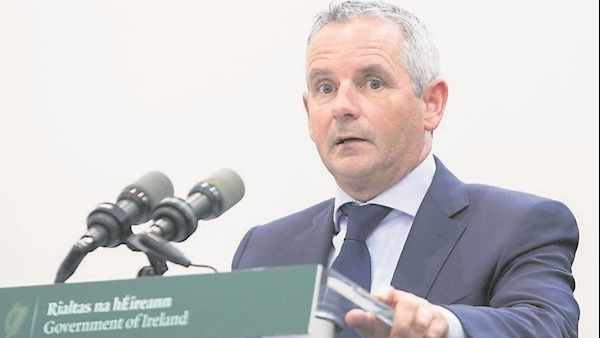
The health authority’s chief executive, Paul Reid, said the authority had received information about a social media post of someone who was being tested in the community for the virus.
“That’s what we want to avoid. It’s stigmatising areas; it’s stigmatising schools; it’s stigmatising people,” Mr Reid told a media briefing.
“It is not where we need to end up in this process. That’s what we are trying to protect against.”
Mr Reid said the authority had to find a balance between what was right for the wider public good and respecting the privacy of people who had tested positive for the virus.
“Where people need to know and are involved directly they will be contacted very rapidly,” he said.
Mr Reid said the authority was taking steps every day to make sure public health teams had sufficient resources and that had involved bringing in extra staff. “We will continue to deploy the appropriate staff anywhere across the health service for this phase and for any phase we enter.”
HSE national director of communications, Paul Connors, said they had made some complaints to social media about postings, particularly where they were “egregious”.
The social media platforms had been quite responsive and he hoped they would have more engagement in the future.
“We have seen some really, really inappropriate postings going up there, which gets pretty close to identifying individuals and that we would find to be posing a particular problem for us,” said Mr Connors.
Mr Reid said Ireland remained in the containment phase but the situation had become “very challenging”.
It had been decided this week to invest €20m to increase the number of intensive care beds across the acute hospital system.
Mr Reid said 20 additional intensive care unit beds could be in place “reasonably quickly” and five more would be added in the medium term. It also involved a further investment in the national isolation unit at the Mater University in Dublin.
Also, the provision of extra beds over the winter period would be extended.
Mr Reid said they had also invested at least €20m in the purchase of equipment — 13,500 kits had been distributed to GPs and the HSE was continuously making sure they had a good steady supply. Ventilators had also been purchased to support the acute hospital system.
The HSE was also looking at vulnerable groups and seeing what supports they can provide to those people.
Mr Reid said it was an “unprecedented situation” but the health authority wanted to ensure that there was no public panic or, equally, a level of complacency.
However, they needed the public to treat the situation very seriously and act on all the advice given.
Specialist in public health medicine, Dr Sarah Doyle, said they expected that coronavirus would be spreading within the community “within weeks”.
As they moved into the next phase, everybody infected, even those with mild symptoms will need to be self-isolate.
“They may feel they are fit to go to work but they are a risk for the spread of infection,” said Dr Doyle.
“Each and every one of us needs to think about what that means for us.”
Everybody needs to think about how this will impact their school, their work, and what they could do within those settings to prevent the spread of infection.
“Because the only way we’re going to protect ourselves is by protecting all of us.”
Dr Doyle said she could not indicate how many people so far had been asked to self-isolate.
“Many people are being asked to self-isolate for the protection of public health.”
- The HSE have developed an information pack on how to protect yourself and others from coronavirus. Read it here
- Anyone with symptoms of coronavirus who has been in close contact with a confirmed case in the last 14 days should isolate themselves from other people - this means going into a different, well-ventilated room alone, with a phone; phone their GP, or emergency department - if this is not possible, phone 112 or 999 and in a medical emergency (if you have severe symptoms) phone 112 or 999