Number of fish kills expected to increase because of climate change
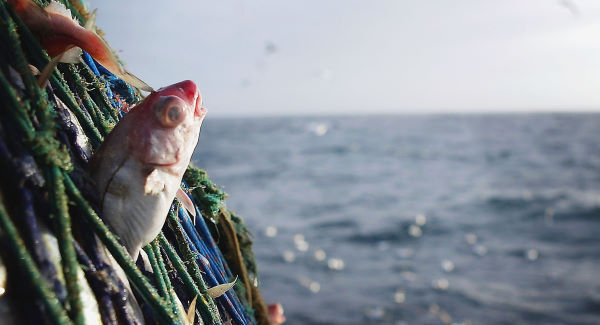
Inland Fisheries Ireland has warned that the number of fish kills in rivers and streams will continue in the context of climate change and worsening water quality.
IFI was responding to an in-depth report on Irish water quality by the Environmental Protection Agency (EPA).
The six-year study by the EPA shows there are now just 20 “pristine” river sites around the country, down from more than 500 in the late 1980s.
The number of seriously polluted river-water bodies has increased from six to nine. It comes after several years of an improving trend.
The report identified an increase in nutrients, including nitrogen and phosphorus, in water bodies. Agriculture and wastewater are the main sources of these nutrients.
More than a quarter of river sites monitored have rising nutrient levels and nutrient loads to the marine environment have also increased.
The EPA described as “of very significant concern” a finding that the number of “pristine river sites” had fallen to 20, which it said was at an all-time low.
The EPA report also gives details of fish kills which occurred during 2018, as supplied by Inland Fisheries Ireland. It attributes this, in part, to hot weather and low flow conditions in the summer of 2018 which "may have caused fish to be more vulnerable to pollution events".
Of the 40 fish kills in 2018, 15 were caused by disease or natural causes, seven by agricultural practice, eight by municipal works, two by industrial operations and a further eight fish kills had unknown causes.
Dr Ciaran Byrne, CEO of Inland Fisheries Ireland said: "In the context of climate change, we anticipate that the number of fish kills will continue to increase. This issue is even more critical when we consider that rivers with poor water quality do not have the resilience to deal with pollution events during periods of stress.
Radical change is needed if we are to ensure the sustainability of our valuable fisheries resources into the future.
The most polluted river sites in the country include two sections of the Avoca River in Co Wicklow, as well as the Ahavarraga stream in Co Limerick, the Kilmihil stream in Co Clare, and the Owenriff river in Co Galway.
Among the factors in pollution in these rivers are run-off fertiliser from agriculture and forestry, the presence of wastewater and excess nutrients.
Dr Byrne said: "The decline in water quality and in particular in river quality since 2015 shows an increase in pressures coming from human activities.
"These activities such as agriculture, wastewater issues, forestry and hydromorphology (man-made changes to the physical form of the river) are all putting pressure on the aquatic environment, which in turn can have long term impacts on our fisheries resource."

CONNECT WITH US TODAY



Be the first to know the latest news and updates