Rugby less elitist sport in Munster, reports shows
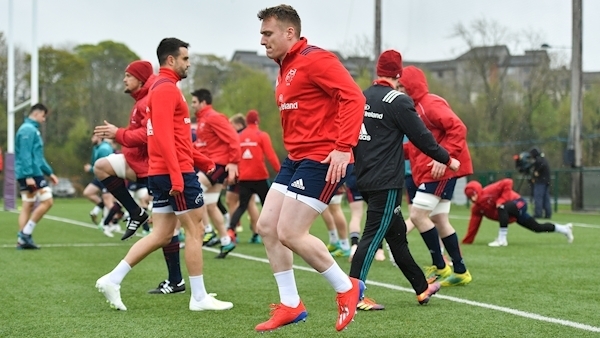
Rugby is a less elitist sport in Munster than in any other part of the country, a new report has found.
While the higher the participant’s income and educational attainment, the more likely they are to play rugby — if they are male — in Ireland, Munster somewhat bucks the trend.

The sport is played by a broader cross-section of people in Munster than in the rest of the country, although participants still tend to come disproportionately from higher-income categories.
This broader socioeconomic base may explain why participation in the sport is highest in Munster, according to a report into the sport by the Economic and Social Research Institute (ESRI).
It found that children and young adults are now more likely to play rugby than in previous generations, with 10% of children aged under 13 regularly playing the sport.
Although rugby has seen a surge in popularity in recent decades, making a substantial contribution to levels of physical activity among young people, the report identifies a drop-off rate when children move from primary to secondary school or when they leave school.
This pattern of drop-out is seen for other popular team sports and the ESRI believes it represents a primary issue for policymakers who are trying to keep young people active.
Four out of every five children who play rugby are male, while more than nine out of 10 adults who play are male, though the proportion of females taking to the field has increased.
The most recent data also shows that one-third of spectators at rugby matches are female.
Just over 1% of adults play rugby regularly.
The majority of adults who play the sport are motivated by the benefits to health and wellbeing.
The frequency, intensity, and duration of their participation suggest that most players derive substantial health benefits from playing rugby, provided they avoid serious injury.
Tag and touch rugby now account for more than 10% of adult participation and a higher proportion among the over-25s.
The report, called Rugby in Ireland: A Statistical Analysis of Participation, was commissioned by the Irish Rugby Football Union (IRFU) and will be published today on the ESRI website.
The research exploits five separate data sources, including one from the North. The findings reveal similar patterns of participation in rugby over time and by social group on both sides of the border.
Report author Elish Kelly, said:
“Rugby makes an increasing contribution to young people’s physical activity. However, while we found low drop-out rates among adults, drop-out is a problem among children, especially when they move between or leave schools. Our research also suggests clear opportunities to get more women and people from lower socio-economic groups involved in rugby.”