Parents of hospitalised 13-year-old regret giving weight to anti-vaccine campaigns
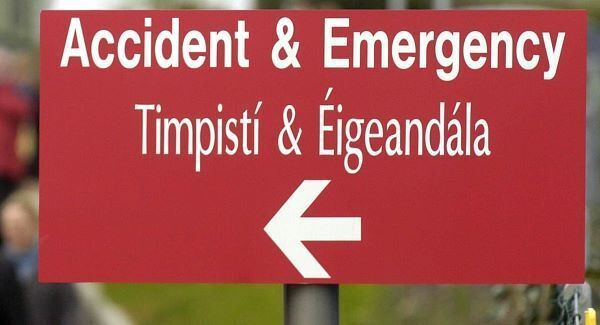
A 13-month-old boy whose parents were unduly influenced by anti-vaccine information on social media ended up in intensive care at University Hospital Galway (UHG) with a preventable illness.
His parents have permitted doctors to highlight the case in the hope that their experience might help to provide “a more balanced argument on social media, which can often be dominated by anti-vaccine material”.
Even though both parents were “well informed” regarding vaccine-preventable diseases, and were aware of the various diseases their non-immunised child was more susceptible to, they chose not to have him vaccinated. Their decision, they said, was largely informed by social media reports of a potential link between the MMR vaccine and autism spectrum disorder.
Doctors from UHG who wrote about the case in Epi-Insight, the online monthly report of the Health Protection Surveillance Centre (HPSC) , said the case “highlights the potential for a vaccine-preventable disease to cause acute, life-threatening illness in an unvaccinated child”.
The boy presented to the emergency department (ED) at UHG “in significant respiratory distress”. He was “a previously well child without significant past medical history, not on any medications”.
He was admitted to ICU where he spent three days. Blood tests identified haemophilus influenzae, a bacterium that can cause serious infection in humans, particularly children.
While the strain infecting the boy was “non-typeable”, it is known that type b (Hib) accounted for 80%-95% of identified strains causing invasive illness prior to the introduction of the Hib vaccine in 1992.
Hib can cause, inter alia, meningitis (inflammation of the lining of the brain) and septicaemia (blood poisoning). However Hib disease can be prevented by a vaccine that is part of the childhood immunisation programme. The boy was put on a 10-day course of intravenous antibiotics after which his symptoms cleared up.
Writing about the case, Dr Edina Moylett, consultant paediatrician and lecturer at NUI Galway, and Dr Peter Tormey of UHG, warned that “unsubstantiated concerns over the safety of vaccines, allied to the rise of the internet and misinformation have contributed to the challenge of maintaining vaccination rates”.
They said the challenge for healthcare professionals and public health organisations “is to keep up with the vast amounts of misinformation surrounding vaccines, with more anti-vaccine blogs, tweets, and Facebook posts being added daily”.
“It is important that healthcare professionals, public health organisations, parents, and the mainstream and social media seek to provide and disseminate balanced and scientific information regarding vaccines, particularly on social media, where an anti-vaccination sentiment can often prevail,” they warn.

CONNECT WITH US TODAY



Be the first to know the latest news and updates