Ireland braced for escalation in bomb threats ahead of major Dublin political summits
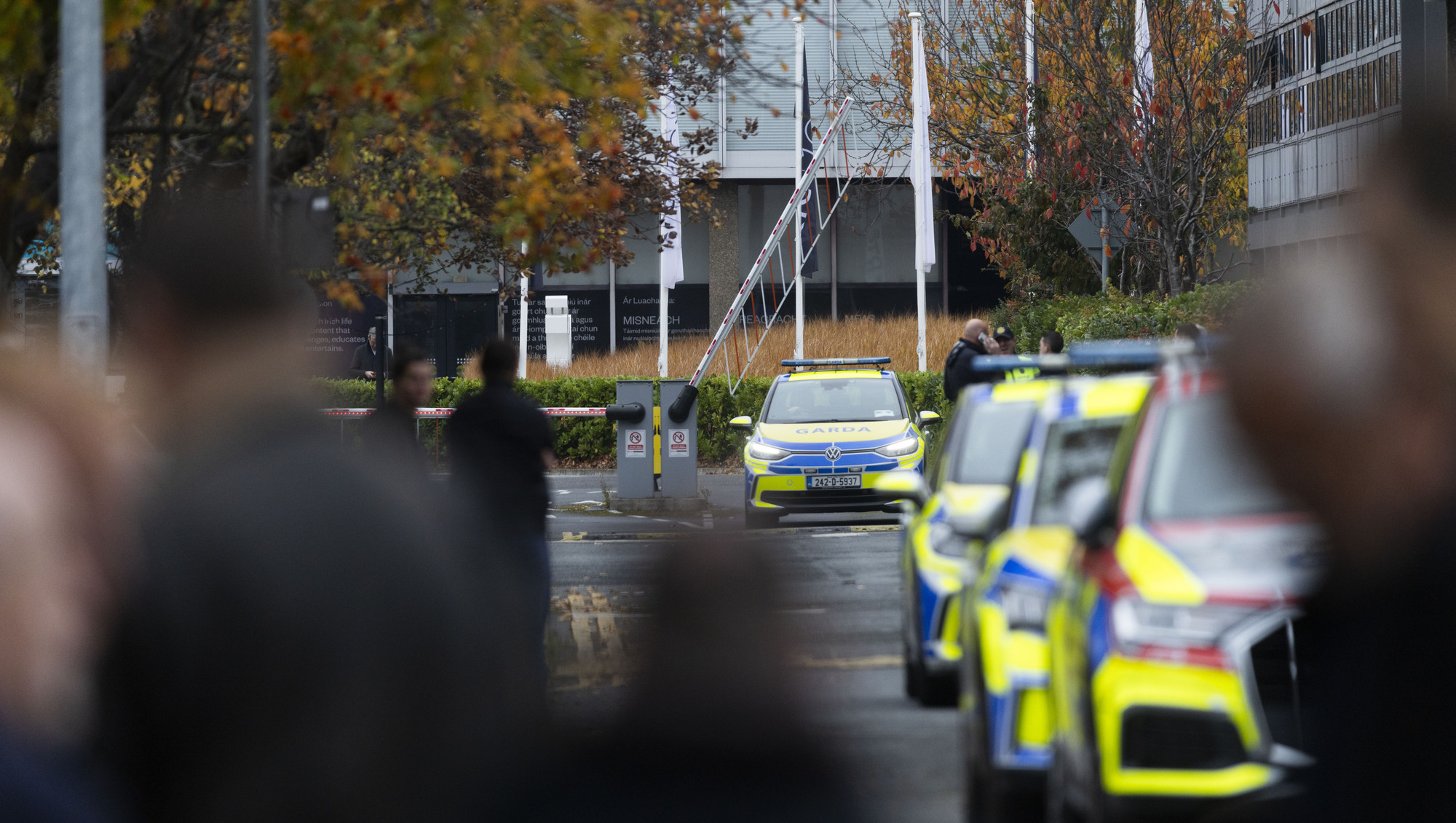
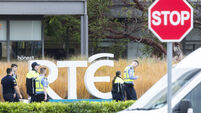
Gardaí surround RTÉ Studios in Dublin after the bomb threat today. It is understood that technical and physical surveillance is being carried out by both gardaí and the Defence Forces before the EU Heads of State meet on Friday. Photo: Sam Boal/Collins Photos
Ireland’s security services are preparing for a potential escalation in bomb threats and other disruptive incidents, in the run-up to next week’s political summits in Dublin.
The escalation could manifest in the planting of actual suspect devices — possibly hoax devices — to make sure those behind the attacks are “taken seriously” by Irish people and the Government.
The purpose, according to sources, is to try and “cause chaos” and is part of a wider campaign across Europe.
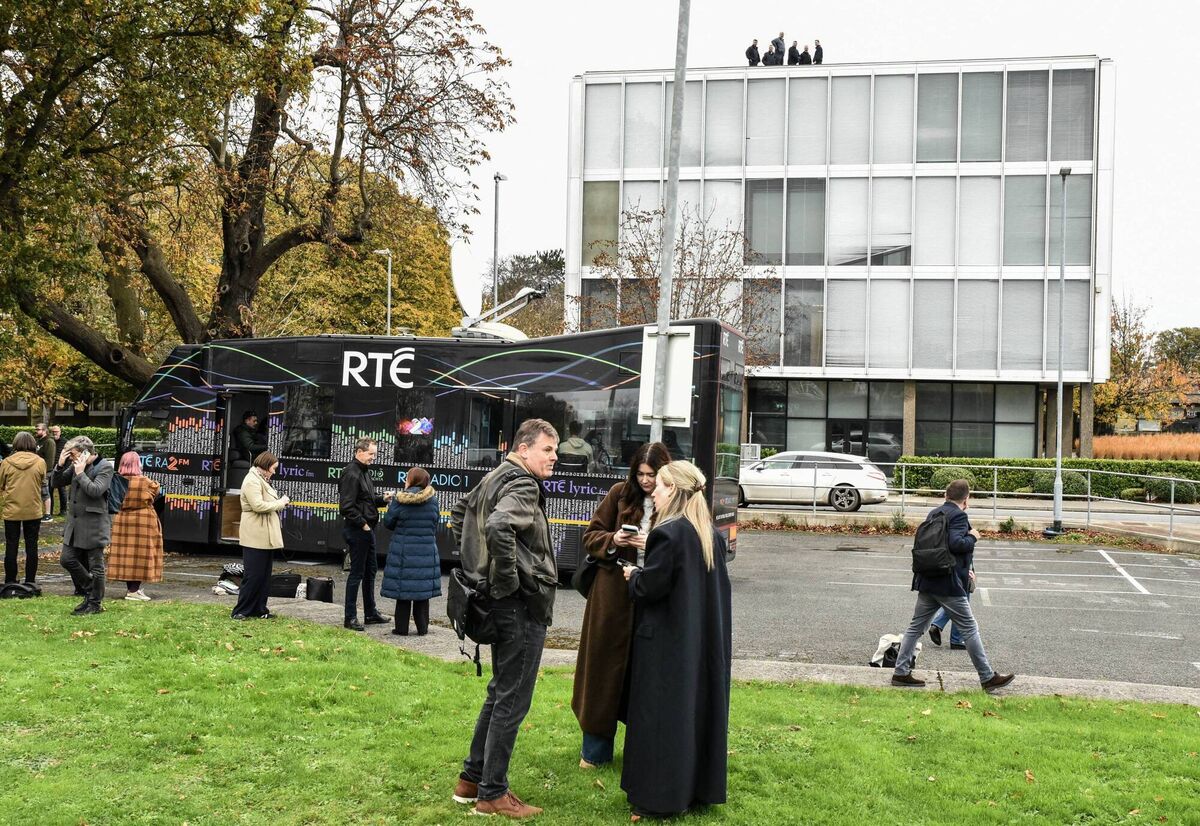
It comes as media outlets in Ireland, including the national broadcaster RTÉ, received a bomb threat, resulting in evacuations and — for RTÉ — temporary disruption of its services.
The email with the threat claimed to be from the same group behind the mass bomb threats to aviation this week.
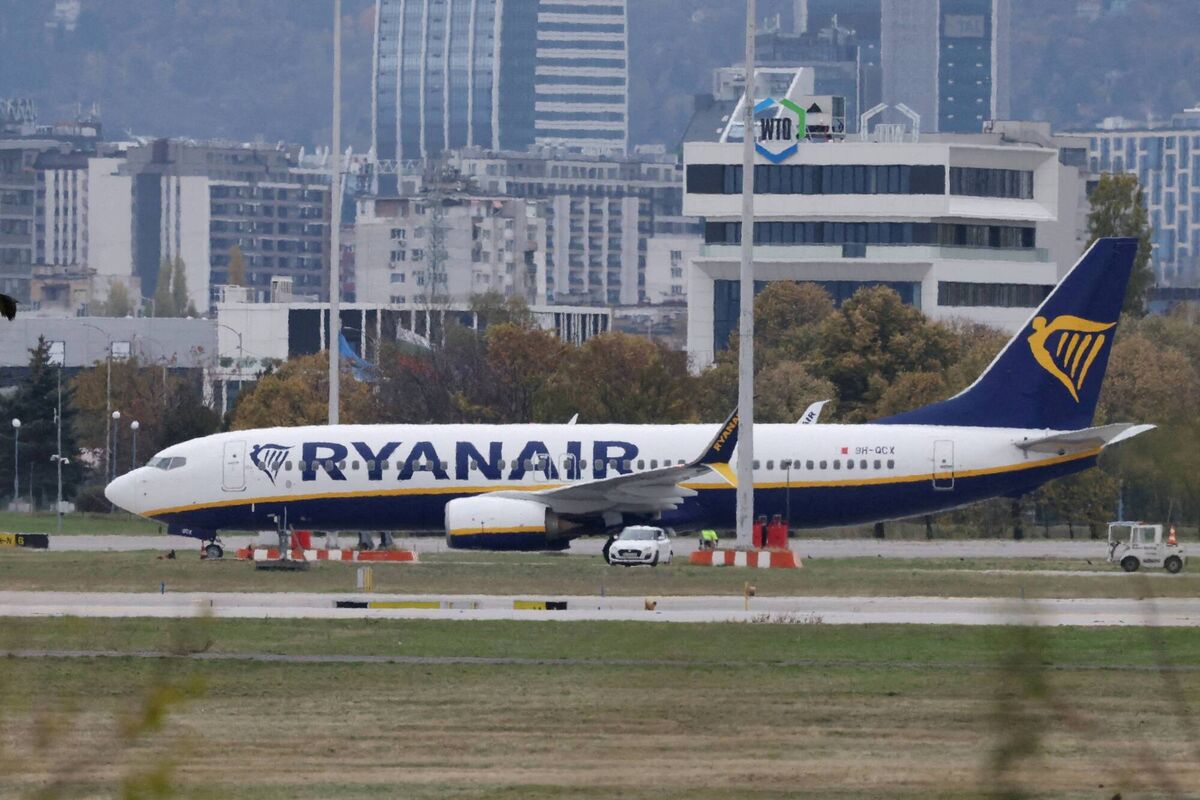
There were more aviation threats on Friday, after 30 flights were targeted on Thursday and seven on Tuesday, including to Ryanair and Aer Lingus.
The Government and individual ministers have said it is not yet known who is responsible for the bomb threats to media.
But in a statement, the Government said: “However, these [media] threats come on the heels of the ongoing disruption to aviation around Europe caused by similar threats, and it seems likely that this is a co-ordinated campaign of disruption”.
Both the Tánaiste Simon Harris and justice minister Jim O’Callaghan referenced “hybrid” attacks in Europe.
Read More
“Europe has increasingly become the target of different forms of hybrid attacks, which are evolving in complexity and sophistication,” Mr O’Callaghan said.
Spanish foreign minister Jose Manuel Albares said Europe appears to be facing “hybrid aggression and a form of psychological warfare”, while the Italian defence minister Guido Crosetto said the bomb threats and cyberattacks are part of "low-intensity warfare".
The reported on Thursday that security services assessed as “credible” the likelihood that Russian intelligence was behind the co-ordinated attacks and threats.
But sources stress that proving the suspicion is very difficult, not least because of sophisticated technical efforts to hide the source of emails, phone calls and cyberattacks.
The Russian Embassy in Dublin has said the linking of these events to Russia is “totally unfounded”.
The hoax bomb threats to media fit in with the Garda threat assessment — as of last week, before the incidents — regarding next week’s summits.
The assessment rated as “substantial” — the third of five security levels — the likelihood of incidents, such as a cyberattack, drone incursion, bomb threats or disruptive protests (but not a terrorist attack, which is low).
There is concern that the threats could escalate.
“The pattern of hoaxes is designed to cause chaos,” one security source said. “This will continue, and they could put some sort of device — maybe a hoax — somewhere to ensure they are taken seriously.”
The European Political Community summit is next Thursday, with 55 heads of state visiting Ireland, including, it is expected, Ukraine president Volodymyr Zelenskyy. The EU Heads of State meet on Friday, the last high-level event in Ireland's EU presidency.
Political, financial and military support for Ukraine — in the midst of escalating civilian casualties and bombardment of energy infrastructure, with the winter coming — will be top of the agenda.
As at previous summits, specialist drone police teams from France and the Netherlands will be supporting gardaí, but will only act under the direction of gardaí. It is understood that technical and physical surveillance is being carried out by both gardaí and the Defence Forces.
Target lists are thought to include violent political extremists or terrorists, serial demonstrators and individuals linked to hostile states.
Rory Finegan, assistant professor in Military History at Maynooth University, said it is possible the cyberattacks or bomb threats could have been perpetrated by so-called ‘hacktivists’.
But he added: “The nature and scope of the attacks and the coordinated and cascading manner in which they have been utilised suggest state involvement; Irish security sources are disposed towards this view on the balance of probabilities and a logical historical progression of other incidents.”
Emmet Foley, lecturer in Defence and Intelligence at DCU, said the incidents could be part of the “Russian use of hybrid means to destabilise the EU”.
- Cormac O’Keeffe, security correspondent

CONNECT WITH US TODAY



Be the first to know the latest news and updates