Speaking out is ‘the hardest part’
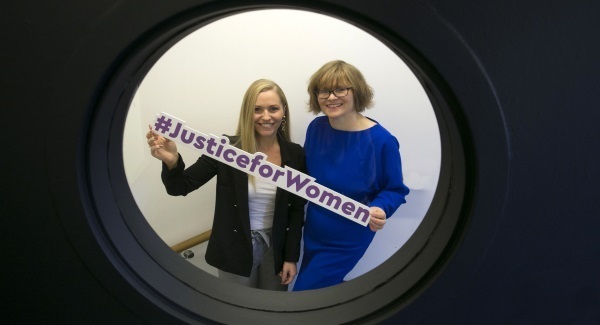
Speaking out about domestic abuse is the “hardest part”, says Emma Murphy, whose former partner was found guilty of attacking her.

Speaking out is ‘the hardest part’

“Coming forward is the hardest part — picking up the phone and actually making that phone call,’” said Ms Murphy. “Speaking to victims on a daily basis the advice that I give them is, ‘If we’re not having this conversation, then nobody would come forward.”

She was speaking yesterday at the Irish Observatory on Violence against Women.

In Dublin Circuit Court last October, Ms Murphy’s former partner, Francis Usanga, was found guilty of assault causing harm to her.

The court was told Ms Murphy was punched in the face and left with a black eye after she confronted Usanga about cheating.

Directly after the assault, Ms Murphy made a video about her ordeal which went viral.

She now works as an advocate for victims and said they are often the strongest people in society.

“Getting through that [legal]process, you find inner strength from somewhere, you just don’t know,” she said.

“They are the strongest people absolutely, to pick up the phone, to make that first phone call.”

Ms Murphy said it is difficult for someone to even “accept” they are experiencing violence.

“To accept that you’re actually going through violence — it’s not something that anybody wants to accept and then speak out about,” she said. “So it does take an unbelievable amount of courage and inner strength.”

Ms Murphy said the legal process can be extremely draining for victims who may not have faith in the system in the first place.

“Victims, speaking generally, don’t have faith in the justice system, the courts system, and I can totally understand why,” she said.

“It’s a very, very long process for many reasons so I can completely relate to women who struggle coming forward for that reason because it’s one of the most draining process — mentally and emotionally and physically — anyone will have to go through.”

Ms Murphy said perpetrators receive more “hands-on” support and that this can be challenging for victims when it comes to speaking out.

“If you are a victim and you are being represented by the DPP , it’s very challenging because you don’t get that hands-on support, whereas the perpetrators do,” she said.

Ms Murphy said she receives messages daily from women and wants to be able to reassure them about our justice system.

“As a victim and as an advocate for women, I get a lot of messages every single day from women,” she said. “They have that automatic trust in me because I put myself out there in such a vulnerable position.

“They’re putting themselves out there in a vulnerable position, sending me a message, but I don’t know if they’re going on and reporting that. I want to be able to go back and tell them ‘you can have faith in our justice system, in our police force,’.”

x

More in this section

Lunchtime News

Newsletter

Keep up with stories of the day with our lunchtime news wrap and important breaking news alerts.

Cookie Policy Privacy Policy Brand Safety FAQ Help Contact Us Terms and Conditions

© Examiner Echo Group Limited