Concern over decline in girls receiving HPV vaccine
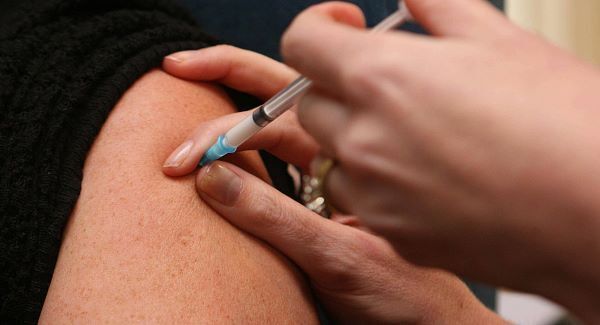
The decline in the number of girls receiving the HPV vaccine that protects them against cervical cancer is likely to continue, a public health doctor warned.
Concern over decline in girls receiving HPV vaccine

There has been a significant decrease in the number of first-year secondary schoolgirls receiving the vaccine, as the uptake rate fell to 70% over the past year.

The decline comes amid claims of girls becoming ill after receiving the HPV vaccination, but the HSE insists the vaccine is safe.

The head of the HSE’s national immunisation office, Dr Brenda Corcoran, said it was likely a slide in numbers would continue.

The health authority indicated information for the 2016/2017 HPV vaccine programme already points to an uptake of even less than 70%. The preliminary figure, of 70% for the past 12 months, is well below the health authority’s 80% target uptake.

During the 2014/2015 school year, the uptake was 87% and it some parts of the country, a rate of over 90% was achieved.

Dr Corcoran said it was likely there would be a further significant decrease because some parents claimed their daughters’ health had been impacted by the vaccine. “It’s terrible what happened to these girls — nobody is saying they are not sick. What we can say it that it is not caused by the vaccine,” she said.

Patient advocacy group REGRET is claiming over 400 girls, it represents, became chronically ill after receiving the HPV vaccination.

“Seeing a video of a young girl who is very debilitated from an illness that has a vast array of symptoms is very distressing,” said Dr Corcoran. But, she said, it was understandable parents of a girl who got ill would look around for reasons.

However, while many conditions affecting teenagers occurred around the time the vaccine was given, there was no scientific evidence that they were caused by the vaccine.

Dr Corcoran said it was a real struggle for the HSE to get the message across that the HPV vaccine was safe and saved lives: “As a doctor, I have a responsibility to tell the truth and I am trying to present the scientific facts in the best way I can.”

The Irish Cancer Society, meanwhile, said it wanted to make sure parents fully understood the risk of HPV-associated cancers that would claim the lives of around 90 Irish women this year.

It said, in seven out of ten cases, the vaccine protected women against cervical cancer. Together with cervical screening, it could dramatically reduce deaths by cervical cancer in Ireland, the society said.

More in this section

Lunchtime News

Newsletter

Keep up with stories of the day with our lunchtime news wrap and important breaking news alerts.

Cookie Policy Privacy Policy Brand Safety FAQ Help Contact Us Terms and Conditions

© Examiner Echo Group Limited