Elephant numbers fall by 100,000 in decade
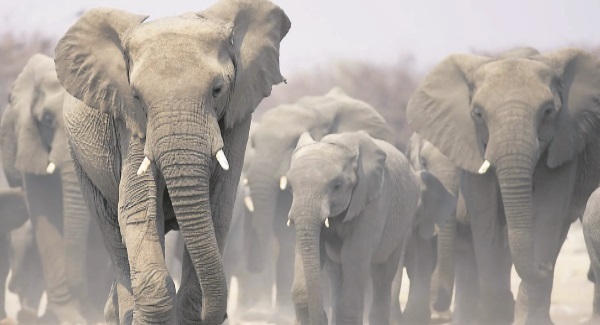
The rise in poaching over the past decade is the worst Africa has experienced since the 1970s and 1980s, and is the main driver for the most serious declines in elephant populations in 25 years.
Estimates from a range of sources including aerial surveys and dung counts suggest numbers are 93,000 lower than in 2006, said the International Union for Conservation of Nature (IUCN).
But because the new figures include elephants from previously uncounted populations, the experts say the true population loss is closer to 111,000 in a decade.
A report presented to an international conference on protecting wildlife under the Convention on International Trade in Endangered Species warned habitat loss also posed a long-term threat to the species.
The findings are based on over 275 new or updated estimates for individual elephant populations across 37 countries where they are found in sub-Saharan Africa.
Overall, there are estimated to be 415,000 elephants in Africa, although there may be an additional 117,000 to 135,000 in areas which have not been systematically surveyed.
IUCN director general Inger Andersen said: âThese new numbers reveal the truly alarming plight of the majestic elephant â one of the worldâs most intelligent animals and the largest terrestrial mammal alive today.
âIt is shocking, but not surprising that poaching has taken such a dramatic toll on this iconic species.
âThis report provides further scientific evidence of the need to scale up efforts to combat poaching.âBut she added: âThese efforts must not detract from addressing other major and increasingly devastating threats such as habitat loss.â
The new data comes as experts warn the illegal ivory trade shows no signs of decline.
Analysis by wildlife trade monitoring network Traffic said the global trade continued unabated in 2015, with a continuing rising trend in large raw ivory shipments of 100kgs or more.
Responding to the Traffic report, WWFâs Ginette Hemley said: âItâs increasingly clear that despite unprecedented global calls to end elephant poaching, international crime syndicates are still shipping vast amounts of ivory out of Africa.â
She called for efforts to bring down âtrafficking kingpinsâ, close domestic ivory markets and quash consumer demand for ivory, in order to save elephants.
The IUCNâs elephant status report said East Africaâs population has halved, mainly due to a 60% decline in numbers in Tanzania.
But elephant numbers have been stable or increasing since 2006 in Uganda, Kenya and Rwanda.
Central Africaâs forest elephants have been hit by poaching for ivory since the 1990s, with the Democratic Republic of Congoâs once significant population reduced to tiny remnants.
Gabon, Cameroon, and Congoâs forest elephants have been affected by heavy poaching, while the savannah populations of Chad and the Central African Republic have also been hit.
And Southern Africa is now seeing the emergence of poaching as a threat, with declines in Mozambique and some parts of Zimbabwe, while major populations in Namibia, South Africa and Zimbabwe are stable or increasing, the report said.