Apple tax ruling: Sheer size of the case is attracting notice worldwide
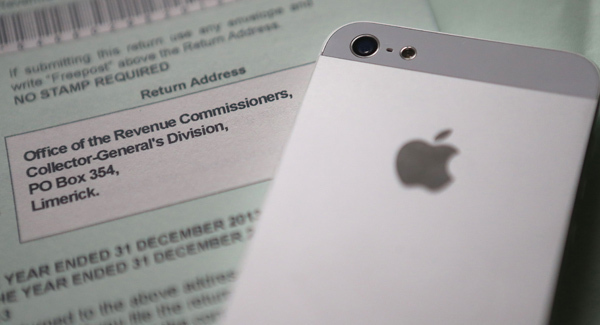
The EU Commission’s investigation was launched in 2014 under the suspicion that Irish authorities were purposefully miscalculating and underestimating Apple’s taxable profit on products like iPhones and iPads.
The corporation is said to have secured a tax advantage not available to other companies, which ultimately amounted to state aid and breached EU antitrust law.
Apple was found to only be paying 1% tax on its European profits in 2003 and 0.005% in 2014. Both Irish authorities and Apple have repeatedly denied breaching state aid rules.

The sheer size of the case is drawing attention. In October, the EU Commission ordered Starbucks and Fiat to pay €20m to €30m for benefiting from so-called sweetheart tax deals in the Netherlands and Luxembourg. That is compared with the latest ruling, which is calling on Ireland to recoup €13bn in unpaid taxes from Apple.
The case has also irked the US Treasury, which earlier this month published a paper accusing EU authorities of unfairly targeting US companies in antitrust probes.
Apple will appeal the ruling, saying it is confident the order will be overturned. The tech giant accused the EU Commission of threatening future investment in Europe, where it currently employs 22,000 people. While the ruling would ultimately benefit government coffers, Ireland will also appeal against the EU Commission’s decision.

A case this size is unlikely to come up again, but there are other US companies in the firing line.
EU authorities are currently investigating Amazon and McDonald’s for similar tax deals it deems illegal. Those rulings could be doled out in the next six to 12 months.