Irish surfing champion Easkey Britton says ‘burkini ban’ is a decision that comes from a place of fear
“The ‘burkini ban’ is a decision that comes from a place of fear and it really concerns me that it is having such an impact.
Again, it’s women who are suffering the consequences. It’s a complex issue but in essence, this is another form of social control of women, with the veil or ‘burkini’ now being used as just another political tool at a time of rapid social change,” she told the Irish Examiner.
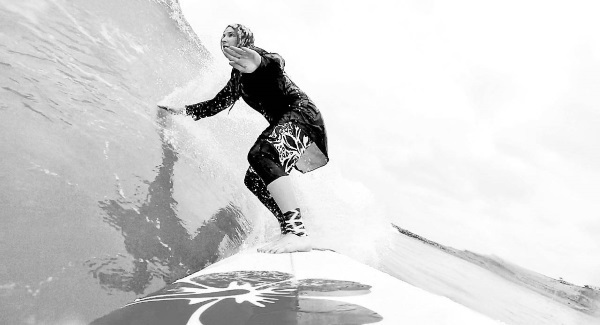
Having helped developed surfing in Iran, she explained that many women she worked with found freedom in the sea.
“I’ve experienced first-hand the amazing benefit that even a few moments of escape into the sea can have on our wellbeing and mental health.
“Women I’ve worked with in Iran on surf programmes there have described the impact of the sea as healing, cleansing, how it washes away worries, brings a sense of calm and freedom from stress on land. It deeply saddens me that some women are denied this experience,” she said.

Easkey explained that the “surf hijab”, similar to the burkini, has allowed Muslim women to participate in the sport when they could not otherwise have done so.
“Like in the award-winning documentary of Iran’s first female surfers, Into the Sea (directed by Marion Poizeau), which highlights how the ‘surf hijab’ (full covering of the female body, including the head) is a key factor for the acceptance of women in surfing and their ability to actively participate,” she explained.

Easkey herself, who is from Donegal, has worn the surf hijab.
“For me, what matters most is making that experience accessible to all, regardless of culture, beliefs, background, gender, clothing. Why can’t we instead celebrate the beauty in our differences and still share the joy of being on the beach and in the water,” she said.
Meanwhile, the creator of the burkini, Australian woman Aheda Zanetti, told Morning Ireland yesterday that the garment is “misunderstood”.

“It’s supposed to integrate among Western society. It doesn’t symbolise Islamic term or Islamic type of dress. It doesn’t even symbolise that a Muslim wearer would wear it,” she said.