Abuse survivors ‘bullied’ by State
It emerged yesterday that a number of people have received letters from lawyers for the department and the State, making reference to High Court judgements which found that a European Court of Human Rights ruling of State liability in the Louise O’Keeffe case was not applicable in other actions currently before the courts.
However, a solicitor representing some of those who have received the letters has said the High Court in Ireland was “not the final word” and that victims of childhood abuse were being subjected to “bullying tactics”.
James MacGuill said three of his clients had received the letters and that it was likely that in some of the recent cases cited by the department that have found in favour of the State may have lodged appeals or could decide to bring the matters to the European Court of Human Rights in Strasbourg.
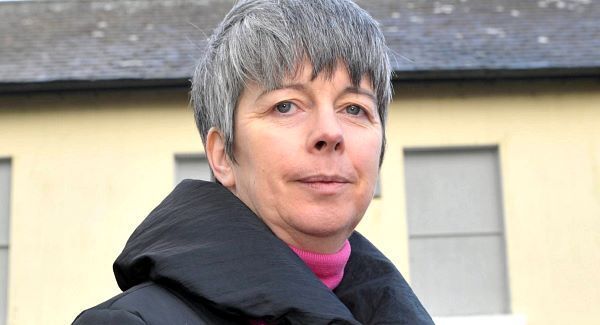
Ms O’Keeffe, whose decision to pursue her own case in Europe was vindicated when the Strasbourg-based court delivered a majority ruling in her favour in 2014 that the Irish State had been negligent in failing to protect her from abuse in national school, said the situation surrounding the issuing of the letters was “extremely disappointing”.
Mr MacGuill said: “The High Court is not the final word on a topic that has already been to Strasbourg.”
The letters imply that victims will face costs unless they withdraw the actions, stating that if cases are dropped within 21 days then the State will bear its own costs, as otherwise state parties reserved their right “in full” to try to “bring finality” to the matter.
In a statement, the Department of Education referred to a recent set of judgements in which the High Court found some cases were statute barred and that there was no case of negligence against the State, while also ruling that the cases did not come within the terms of the European Court of Human Rights in O’Keeffe v Ireland.
It also said the department “obviously has to respect the judgements of the Irish courts and the European courts” but added: “It is incumbent on the State to have a structured process for dealing with issues around paying compensation and providing support for people”.
CONNECT WITH US TODAY



Be the first to know the latest news and updates