Domestic violence plays key role in homelessness in 25% of cases
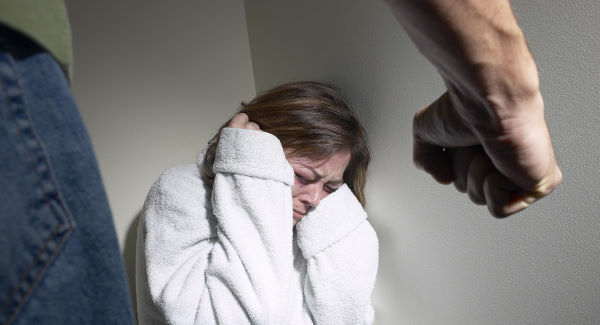
It was also claimed that some women now feel they have to stay in an abusive household and be “beaten, raped, or humiliated” rather than face the prospect of their children being homeless.
Fiona Ryan, chief executive of the Sonas Domestic Violence Charity, said that in a survey of 70 families that became newly homeless in March, one-in-six said domestic violence was the main cause of their homeless experience.
She told the Oireachtas Committee on Housing and Homelessness: “Add that figure to those who said they had become homeless in the past because of domestic violence and the figure is closer to one-in-four. Combine this figure with the hidden homeless, of victims living with friends and families and the fact that 78% of victims do not disclose and certainly do not come to the attention of statutory or support services, then we have a massive hidden problem.”
She said the overwhelming majority of these newly homeless families are female-headed households.
“The question has to be asked — how are solutions to families becoming homeless to be found when one of the root causes of women and children becoming homeless is domestic violence and it is rarely even acknowledged. To be honest, that is one of the biggest challenges we have coming before you today — naming and explaining the link between domestic violence, accommodation and homelessness.
“Right now the safety, protection and lives of women, children and young people experiencing domestic violence are at risk because of the accommodation crisis.
“This is not an exaggeration, this is a fact. Women are telling us that they are making the choice — ‘choice’ being used very loosely in this context to stay and face being beaten, being raped, being humiliated in every way possible, rather than risk their children being homeless.”
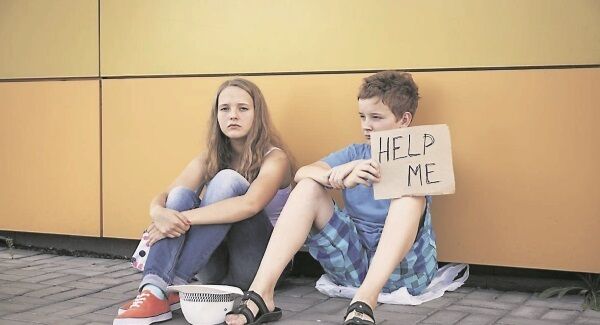
At the same committee, the Government was urged to grant more power and control to local councillors in what the president of the Association of Irish Local Government (AILG) called “the biggest housing crisis in the history of the country”.
Cllr John Crowe of Clare County Council said the role of local authorities in each city and county needed to be reinforced to help deal with the crisis, while his AILG colleague, Cllr Padraig McNally, said there needed to be an “ambitious, nationwide local authority house building programme”.
He said there needs to be a 50:50 split between local authority and private housing development and he cautioned against a reliance on NAMA housing stock to ease the problem due to sustainability and legacy issues.
One issue, highlighted by Cllr Dermot Lacey of Dublin City Council, was how attic conversions are not permitted because they do not fall under building regulation requirements.
The committee also heard from Ronan Lyons, assistant professor of economics at Trinity College Dublin, who said the first step is a transparent, government-sponsored audit of construction costs, with the second step the replacement of all social housing measures currently — including rent supplement — with a single subsidy based on income.
He also said rates, stamp duty and levies should be replaced with a land value tax and a review of land-use restrictions, including height, and that there should be a relaxation of the loan-to-income ratio limit for mortgages, at least until land use restrictions are addressed.
CONNECT WITH US TODAY



Be the first to know the latest news and updates