Call for ‘clean food fund’ for Chernobyl-affected areas
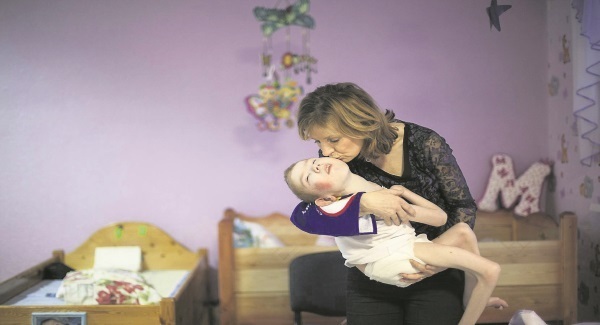
Ms Roche, the voluntary CEO of the Irish charity Chernobyl Children International (CCI), will also call for the establishment of a global fund to help the surviving liquidator heroes — those who were drafted in to fight the radioactive fire in the Chernobyl nuclear power plant which exploded 30 years ago today.
Last week, on her 30th visit to the region, Ms Roche met representatives of the estimated 700,000 surviving liquidators whose action in the first 48 hours after the explosion saved Europe from an even greater nuclear disaster. They appealed to her to bring their stories and their voices to the UN.
Ms Roche will wear liquidator officer Valerii Zaitsev’s service medal during her landmark address to a special session of the UN General Assembly in New York today which has been convened to mark the anniversary of the world’s worst nuclear accident.
“For Valerii and his gallant comrades, fighting the radioactive fire at Chernobyl was their ‘ground zero’, like the brave rescue service heroes of New York’s 9/11 calamity,” said Ms Roche.
“The heroes of Chernobyl ought to be rightly honoured and recognised as the heroes who saved Europe and indeed the world.
“But many of the Chernobyl liquidators feel that they have not been honoured.
“In fact, many feel that they have been dishonoured, neglected, abandoned, and forgotten.”
In an unprecedented move, the Belarusian government is to provide speaking time at the UN to Ms Roche in recognition of her charity’s role, and that of thousands of Irish volunteers, in helping the victims of the Chernobyl disaster.
It is the first time an NGO has been extended the honour of speaking at the UN General Assembly during a country’s allocated time. CCI is the only UN-recognised NGO working in the area.
It comes as new research has found that milk produced by a herd 48km north of the former nuclear power plant contains levels of strontium-90, a radioactive isotope linked to cancers and cardiovascular disease, in quantities 10 times higher than Belarusian food safety regulations allow. The herd supplies milk to a company which produces a popular brand of cheese — 90% of which is exported to Russia.
Ms Roche said she will also raise her concerns about the contaminated food at the UN.
And despite the Belarusian state declassifying vast swathes of contaminated land for farming and re-population, Ms Roche will call for a continued ban on the use of these highly radiated zones.
“The world needs to make financial provision to fund access to ‘clean food’ and adequate food monitoring for milk and dairy products, but also for meat, firewood, and timber in order to protect the citizens of the Chernobyl-affected regions,” she said.
“ I will also call for the reinstatement of monitoring and radiation check-ups of people throughout the stricken regions, particularly for children and pregnant mothers living in the contaminated zone.”

CONNECT WITH US TODAY



Be the first to know the latest news and updates