Public at risk as online course ‘shrinks’ advertise as counsellors
For 10 years, trained counsellors and psychotherapists have been demanding that the Department of Health regulate their sector as many clients are vulnerable and could be at risk from insufficiently trained ‘counsellors’.
Representative groups arguing for statutory regulation have met with and won the support of successive governments but regulation still has not happened.
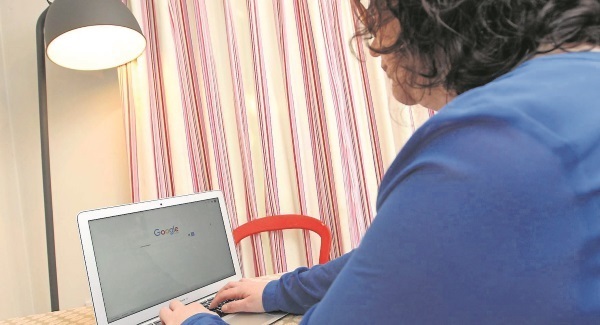
“We have heard about people buying a cheap online training course from Groupon then setting themselves up as a counsellor and advertising as such,” said Shane Kelly, professional services manager with the Irish Association of Counsellors and Psychotherapists (IACP). “There is nothing illegal in that, yet there is a multitude of things that can go wrong when you’re not properly trained.
“You may not realise that somebody is starting to deteriorate dangerously, that they are becoming suicidal, you may not notice other issues as they arise, you might not be aware of the supports that you need to put in place for them.
“There are so many things that can wrong. You mightn’t have training in eating disorders which are very complex and so you might not know the multidisciplinary approach to take.
“Poorly trained counsellors could focus on the issue without realising the other issues that are interrelated. The problem is that these undertrained people don’t realise how much they don’t know.”
The IACP advises clients to not to be afraid to ask a counsellor about their counselling qualifications or for evidence of accreditationwith a professional body.
“Ask what training they did,” said Mr Kelly. “How long did they do it for? Are they accredited to a professional body like the IACP or the Irish Association of Humanistic and Integrative Psychotherapists [IAHIP]. Both of these organisations also have a list of their members on their website that you can look up if you are choosing a therapist.”
When the counsellor representative groups first appproached the department, they were asked to form a professional organisation so department officials could talk with it. They did so.
The department helped set up Coru in 2005 to regulate health and social care professionals but still Coru has not taken counsellors on board. Social workers, dietitians, and speech and language therapists have been regulated since Coru was set up. Another 12 professionals have been earmarked for regulation but counsellors and psychotherapists have not made this list.
A spokesman for the Department of Health said a consultation process on the possibility of regulating psychotherapists and counsellors is under way. The first phase involved commissioning a detailed report from the Health and Social Care Professionals Council which is being studied by the department.
The second phase is likely to involve a wider round of consultation with the various professional bodies and other interested parties before a final decision is taken.
To join IAHIP, you need to have studied counselling for at least two years full-time and have evidence of your client and supervised work. The IACP website also lists the accredited college courses that they will take new members from.
Online deal sites regularly offer diplomas and certificates in counselling for as little as €50 that suggest that having studied 20 modules over several weeks or months that you could work as a counsellor and earn up to €60,000 per year.
However, the accredited bodies want an honours degree and or at least two years of accredited study in an approved course.
Due to the lack of regulation, there is nothing illegal in describing yourself as a counsellor having done one of these courses.
The IACP say that in theory you could call yourself a counsellor without having completed any course at all.
CONNECT WITH US TODAY



Be the first to know the latest news and updates