Department of Justice criticised by own employees
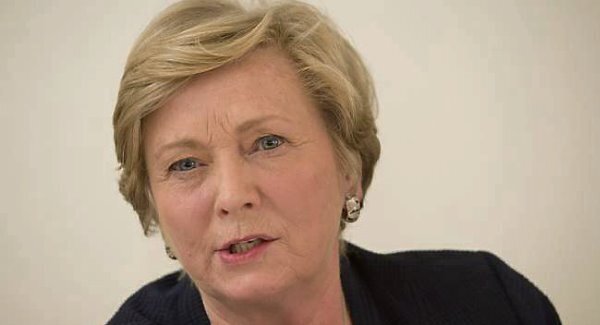
The criticism mirror thatof people from external agencies who have to work with the department and who also hit out at its culture of secrecy, bad manners, failure to learn from mistakes, and use of the dreaded “slow no” in decision-making.
Opinions from both groups were released as the department published its new ‘culture charter’ which carries commitments to better communication, transparency, respect, and trust-building.
Focus groups were held with staff last year while, separately, two days of workshops were held with representatives from 27 external bodies including the gardaí, prisons, probation services and courts, the legal profession, refugee organisations, human rights and domestic violence groups, and statutory children’s agencies.
For both groups, the most common complaint was the culture of secrecy pervading the department. Both groups also said the addition of new agencies and responsibilities to the department was haphazard and left it disjointed like “a broken jigsaw”.
In one staff focus group, the equality division of the department described themselves “in unequivocal terms as ‘unwanted’ and believed that this attitude emanates from the highest levels”.
The exercises followed the publication in 2014 of the Toland Report, which was commissioned by Justice Minister Frances Fitzgerald in the wake of the various scandals that dogged her predecessor, Alan Shatter.
It also found there was a “closed, secretive, and silo-driven culture” in the department and “significant leadership and management problems”. The department said it was undergoing an “extensive change programme” based on the various assessments.

CONNECT WITH US TODAY



Be the first to know the latest news and updates