Major black fever breakthrough by Irish scientists
Irish scientists have made a major breakthrough in treating black fever — the second most deadly parasitic disease after malaria.

Major black fever breakthrough by Irish scientists

Scientists at NUI Galway and the Wellcome Trust Sanger Institute in Britain have shown how the parasite responsible for black fever can become resistant to drug treatment.

Their work, just published in the life sciences and biomedicine journal eLife, means that ineffective treatments can be skipped and better ones used instead.

Black fever, also know as visceral leishmaniasis, affects nearly 300,000 people every year and kills up to 50,000. The parasite is mainly found in the Indian sub-continent, where up to 80% of the disease occurs.

One of the authors, Tim Downing from NUI Galway and the Sanger Institute, said they analysed the entire DNA sequence of more than 200 Leishmania parasites.

“We discovered one drug resistance mutation, LdAQP1, and found that it is spreading among other populations,” said Dr Downing.

“It is the most significant breakthrough in the area of leishmaniasis genetics in recent years and moves it to a stage where we can genetically screen infections and then decide our treatment based on that screening process.”

The senior author of the study from the Sanger Institute, James Cotton, said that, up to now, studies had been limited to looking at small regions of the parasite’s DNA or at what happened in the laboratory.

“To truly understand what is happening in the real world, we analysed the whole genomes of more than 200 samples from parasites captured in India, Nepal, and Bangladesh over almost a decade,” said Dr Cotton.

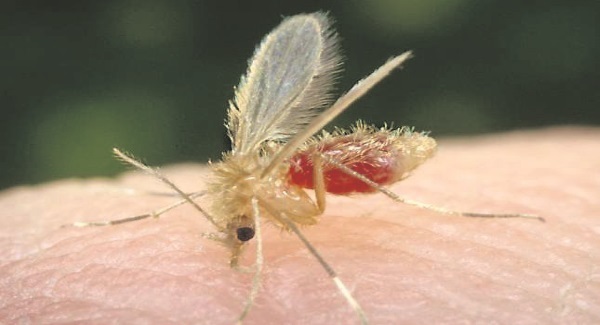
Spread through the bites of sandflies, the parasites enter the internal organs such as the spleen and bone marrow, causing them to become inflamed and swollen. The infection produces fever, weight loss, fatigue, and anaemia and is fatal if left untreated.

Analysis of the genomes also revealed that the parasites responsible for the current epidemic first appeared in the Indian subcontinent in the 19th century, matching the first historical records of black fever epidemics.

The genomes show that most of the parasites are genetically similar and can be clustered into several closely related groups. These groups first appeared in the 1960s, around the time that the widespread use of DDT to eradicate malaria in India came to an end.

The genome data can be used to track disease control programmes and to determine how well the current drugs are working.

x

More in this section

Lunchtime News

Newsletter

Keep up with stories of the day with our lunchtime news wrap and important breaking news alerts.

Cookie Policy Privacy Policy Brand Safety FAQ Help Contact Us Terms and Conditions

© Examiner Echo Group Limited