One-in-five local authority tenants suffer with high levels of antisocial behaviour on estates
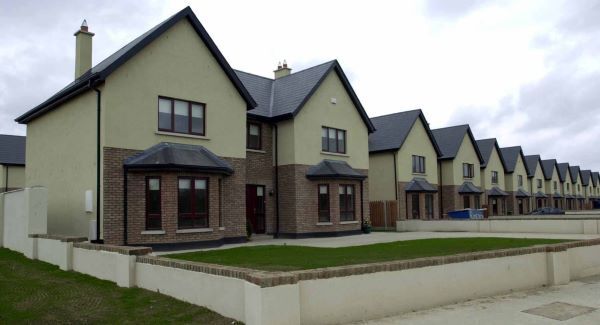
Yet just 7% say they are aware of another tenant being evicted from their estate because of antisocial behaviour and half of those who made formal complaints about the problem said they were dissatisfied with their local council’s handling of it.
One in three felt the other tenants in their estate lacked sufficient respect for their homes and neighbours and one in six tenants have either formally applied to transfer to another estate or said they would prefer to live in another estate in the area.
But the problem rated only fourth on the list of top gripes among local authority tenants, with far more being exercised over basic issues like insufficient grass- cutting, litter control, home improvements, and communication with officials.
And despite only half of tenants rating their council’s care of their estate as good or fairly good, the vast majority of tenants — some 85% — said their estate was a pleasant place to live and 70% said their estate was well settled and did not need much local authority involvement.
The findings are from a survey of tenants from 29 councils who were interviewed in October and November about their satisfaction with their council’s management of their estate.
The average age of a council home was 33 years and the tenants had been in their current home for an average of 12 years and 11 months.
The survey found that the longer a tenant lived in a property, the happier they were. Those in residence for more than 20 years were the most satisfied.
But it also found a lack of communication between councils and tenants with just one in four tenants saying they recalled being given a copy of their council’s estate management policy and only half of those being familiar with its contents.
Just one in 10 councils hold regular meetings with tenants and only two in five tenants said they would attend them with any regularity. Almost three quarters, 72%, had never received a home condition survey and only one in five knew that councils set response times for dealing with repairs.
Almost half, 46%, had contacted their council about emergency repairs, the most common being leaks or burst pipes (42%), electrical problems or dangerous wiring (26%), gas leaks or boiler malfunction (16%), and ceiling cracks (12%).
The problem was fixed within 24 hours in 36% of cases and a further 21% within 72 hours but it took longer in 36% of cases.
Just over half of tenants said they always contacted their council to carry out non-emergency repairs and maintenance jobs and half of those had done so in the previous six months.
The majority, 60%, rated the quality of work as good or very good but 59% of repairs were not inspected and 82% of tenants said they were not asked for feedback.
Separate from repairs, 64% said the council carried out energy efficiency improvements on their home.
The survey was carried out by polling firm Behaviour and Attitudes for the National Oversight and Audit Commission which oversees the local government sector. Councils were asked to invite tenants to respond to the survey. Only Galway City Council and Westmeath County Council did not participate.
CONNECT WITH US TODAY



Be the first to know the latest news and updates