All children leaving state care to be given specific aftercare plans
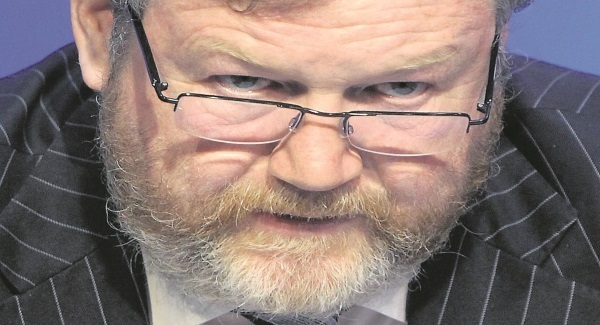
Children’s Minister James Reilly confirmed the plan during a Dáil debate on the new Childcare Amendment Bill 2015, despite ongoing opposition and social worker concerns that the resources do not exist to ensure the system can be implemented.
Under new measures in the legislation, the State’s child and family services agency, Tusla, would be obliged to ensure all vulnerable children and teenagers are provided with detailed aftercare plans when leaving the social service supports.
The measures in effect mean that instead of a widely agreed but not always implemented requirement to provide the plans, the State would have an explicit statutory obligation to provide the ongoing help when it is required — and would be legally responsible if this need is not met.
Dr Reilly said that the move has been agreed on the back of a series of recent “terrible tragedies” involving children and teenagers who died soon after leaving State care.
He said while resource issues continue to be apparent, the new law would help to prevent the incidents from being repeated in the future.
“Ireland has a poor record historically on caring for vulnerable children, and we all know the terrible tragedies that occurred for some children when they left care,” said Dr Reilly, adding that the new legislation would be “another step in the right direction”.
“I hope our generation will be seen as the one that sought to address and redress this.”
The lack of designated aftercare plans has been a repeated source of concern for social service workers in recent years, and has played a role in a number of tragedies that have led to deaths, drug overdoses, suicides, and other incidents involving vulnerable young people.
The problems received widespread attention in 2012 after a government report found 196 children and teenagers had died in state care over the previous decade.
While Taoiseach Enda Kenny described the situation outlined by the child death review group at the time as a “litany of shame”.
Fianna Fáil’s spokesman on children, Robert Troy, claimed earlier this year that almost all of the recommendations from the findings have yet to be put in place.
These included a statutory obligation for aftercare plans; designated social workers; and improved early intervention systems, despite the fact more than 6,000 children and teenagers are depending on the supports.
While Mr Reilly rejected the claim, similar concerns have been raised by social workers groups, Tusla, and independent Health Information Quality Authority reports which noted that many of the 500 young people who leave state care each year are not continuing to be monitored by the State.