World Health Organisation failings exacerbated the ebola crisis, report finds
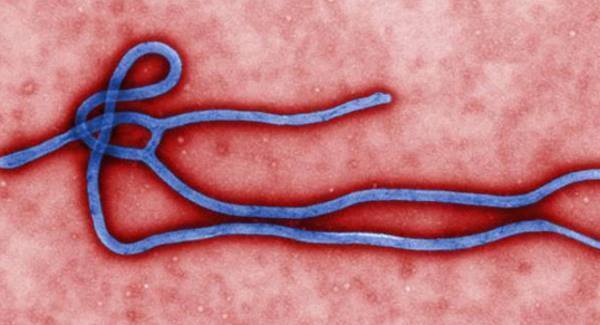
Failings by the World Health Organisation (WHO) played a key role in the ebola disaster, according to new report.
World Health Organisation failings exacerbated the ebola crisis, report finds

An independent panel of 20 experts, led by a top British scientist, called for sweeping reforms to ensure there is no repeat of the catastrophe — which claimed 11,000 lives.

They were especially critical of the WHO, the United Nations body set up in 1948 to lead the global fight against disease and ill health. The biggest mistake that contributed to the scale of the epidemic was said to be the WHO’s failure to act quickly when early signs of the outbreak emerged in 2014.

Professor Ashish Jha, director of the Harvard Global Health Institute in the US — who co-chaired the panel, said: “The most egregious failure was by WHO in the delay in sounding the alarm.

“People at WHO were aware that there was an ebola outbreak that was getting out of control by spring .. and yet, it took until August to declare a public health emergency. The cost of the delay was enormous.”

The ebola epidemic began in December 2013 with the first infections in a remote region of Guinea. The report said that even when the epidemic entered its second phase, in March, the WHO failed to mobilise global assistance “despite ample evidence the outbreak had overwhelmed national and non-governmental capacities”.

A third phase began in July as numbers of cases soared and alarm spread around the world. The World Bank committed €180m to the growing crisis and dozens of countries, companies and universities began to impose travel restrictions.

Yet it was not until August 8 that the director-general of the WHO, Dr Margaret Chan, officially designated the ebola outbreak an international public emergency.

The report, published in The Lancet medical journal, called for 10 major reforms aimed at preventing and responding to future major disease outbreaks.

One of the key proposals was the creation of a unified WHO centre with “clear responsibility, adequate capacity, and strong lines of accountability for outbreak responses”.

Changes were also recommended to bring more focus and better governance to WHO, as well as the establishment of a global fund to support necessary research and development. The report also wanted to see a better system of accountability with the establishment of an independent commission for disease outbreak prevention and response.

Chairman Professor Peter Piot, director of the London School Hygiene and Tropical Medicine — who helped discover the ebola virus, said: “We need to strengthen core capacities in all countries to detect, report and respond rapidly to small outbreaks, in order to prevent them from becoming large-scale emergencies.

More in this section

Lunchtime News

Newsletter

Keep up with stories of the day with our lunchtime news wrap and important breaking news alerts.

Cookie Policy Privacy Policy Brand Safety FAQ Help Contact Us Terms and Conditions

© Examiner Echo Group Limited