European report raises concerns of conditions in Irish prisons following a number of deaths
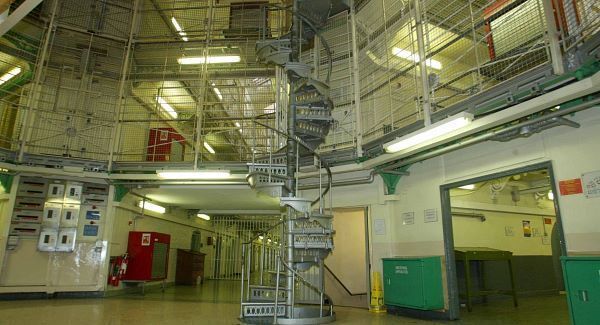
The Council of Europe’s Committee for the Prevention of Torture (CPT) has today published the findings of its visit to Ireland in September 2014, in which the committee also repeated its call for an end to the slopping out of cells, and raised the alleged mistreatment of people detained by gardaí.
One case from Midlands Prison involved an infirm elderly man with a history of cardiac disease, asthma, diabetes and arthritis who was moved to a double-occupancy cell despite the recommendation of a doctor who said the prisoner should be placed in a single cell.
The CPT report discovered no formal risk assessment had been carried out before the man was moved into a cell with a prisoner, with a violent history.
The new cellmate had already been caught several times brewing homemade alcohol, and six prisoners had been going in and out of the cell to drink on the day the man died.
The postmortem report showed the man died of a cardiac arrest, and that he had “several injuries to the head, chest and arms”, noting the “[cardiac] arrest precipitated by blunt force trauma to the head and trunk”.
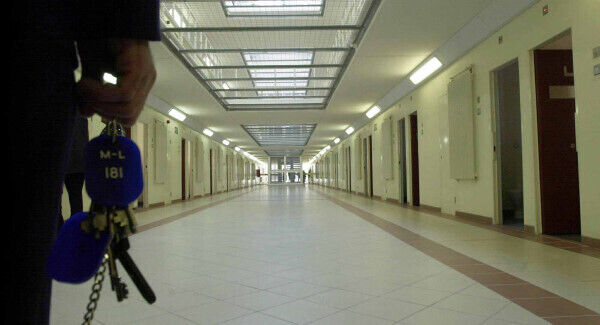
The report also raised concerns surrounding the deaths of three other prisoners and has instructed the Government to inform it of the outcome of the investigation into those incidents.
Elsewhere, while acknowledging considerable reforms in the prison system, the CPT witnessed 330 prisoners slopping out during its visit and described the practice as “degrading not only for the person using the chamber pot but also for the persons with whom he shares a cell, and also debasing for the prison officers who have to supervise the slopping-out procedure”.
“At the time of the CPT’s visit, there were still 330 prisoners slopping-out in Cork, Limerick and Portlaoise prisons, the vast majority of them in Cork.
The situation in Cork gives particular cause for concern since many prisoners have to share a cell and are confined to their cells for long periods of the day,” the CPT wrote.
In its response the Government said that the Prison Service has reduced the number of prisoners slopping out from 1,003 prisoners at the end of 2010 to 292 in April 2015, and that the new Cork Prison was expected to be fully operational at the start of next year.
It said it aims to provide toilet and wash hand basins in every locked cell over the lifetime of the Prison Service’s Capital Expenditure Plan 2012-2016.
The CPT also noted that while the majority of detained persons interviewed by its delegation said that they had been treated correctly by the gardaí, it did hear allegations of physical ill-treatment and verbal disrespect by gardaí.

“The allegations of ill-treatment mostly involved blows with batons, as well as slaps, kicks and punches to various parts of the body. Some of the allegations concerned juveniles,” the CPT said.
In its response, the Government said it was “disappointing to read of allegations of ill-treatment and, in that regard, it must be emphasised that members of An Garda Síochána engaging in such behaviour will not and should not be tolerated”.
CONNECT WITH US TODAY



Be the first to know the latest news and updates