Severely disabled resident ‘chemically restrained’ 13 times
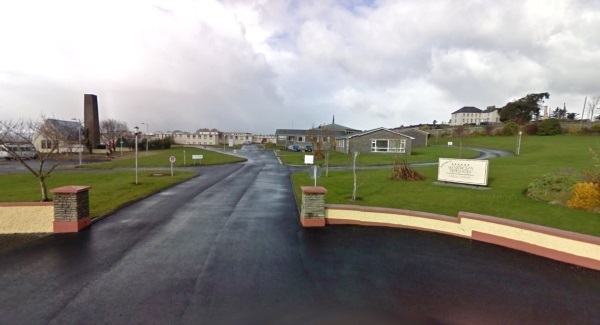
The Health Information and Quality Authority said the case raised serious concerns about the use and oversight of medications and what it called “chemical restraint” at Cregg House in Co Sligo, a home for more than 100 adults and children.
The watchdog found sedatives had been used to deal with challenging behaviour despite the resident suffering from a pressure sore and not being checked for problems like incontinence, discomfort or boredom before the drugs were given.
One nurse told inspectors it was “better to give the chemical restraint at the start of the outburst otherwise it could go on for up to two hours.”
A series of inspections from December to February this year revealed a high rate of injury among residents from other residents, with concerns raised over self-harm and aggression towards staff, visitors and among patients.
Hiqa said its inspectors warned the crux of the issues at Cregg House came down to a lack of staff, inadequate training, the challenging behaviour of severe and profoundly disabled residents, lack of stimulation, boredom among the residents, and poor management.
In the first visit last December, two residents had lacerations to their faces after an incident involving a third resident in which one resident was pulled off a chair onto the floor by another resident in what was said to be a regular occurrence and another was said to push other residents to the ground from behind.
Staff said some of these events occurred because certain residents needed constant one-to-one care which was not being provided, while Hiqa identified one resident who was at considerable risk from these actions. One of the inspectors was injured by a resident in what was described as “an incident of challenging behaviour”.
The reports revealed few social activities for residents and limited time outside, with a follow-up inspection in January revealing that several residents had not left the complex for several months.
One of the few outdoor activities was a bus trip, but even then, the residents could not get off to enjoy a takeaway because there were not enough staff to supervise them, inspectors revealed.
Despite the failings identified, Hiqa said the frontline staff were calm, competent, patient and respectful to those in their care and sought to alleviate residents’ anxieties where they could.
But the inspectors warned their work was constantly reactive and they did not have time to engage on a one-to-one basis with residents without leaving another alone.

CONNECT WITH US TODAY



Be the first to know the latest news and updates