Nurses refuse to oversee private carers
An internal document drawn up by senior HSE officials was presented to public health nurses recently, directing them to take over monitoring workers employed by private agencies. The move has been met with alarm by public health nurses, who say the plan is unworkable because staff are overstretched by existing duties, and the 24-hour nature of home care would make monitoring an impossible extra burden.
They also claim that, under the code of conduct governing their nursing registration, they would be personally liable for failings or abuses by home care workers under their jurisdiction and they are not willing to put their own licences at risk over the performance of personnel with whom they have little or no contact.

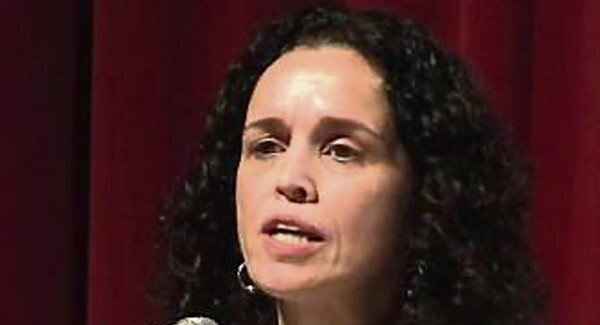
Meetings have taken place between the HSE and the Irish Nurses and Midwives Organisation (INMO) over the implementation of the plan, but little progress has been made. Phil Ní Sheaghdha, INMO director of industrial relations, confirmed that two meetings had taken place and said: “We are very concerned about the manner in which this issue is being addressed by the HSE. We have met with them twice and we are not satisifed with their responses.”
An HSE statement said: “The HSE values the role of community nursing in relation to supporting older people to live at home independently and to support their needs. As discussions remain ongoing in relation to this matter it is not appropriate to comment further at this time.”
Pressure has been mounting on the HSE to ensure people receiving care in their own homes from private agencies are protected against poor quality care, errors, and abuse.
Despite a damning RTÉ Prime Time exposé in 2010, and the increasing outsourcing of public home care packages worth millions of euro to private agencies, no formal inspection or supervision has been put in place.
It is understood concerns have also been raised about insurance implications of using unregulated agencies, with fears that the State could be left liable for any adverse incident involving a private worker, regardless of their employer’s cover.
However, frontline public health nurses say the system the HSE is seeking to impose would amount to only the pretence of regulation, as they would be expected to supervise and vouch for the competence of personnel they had no role in recruiting, training, or placing and whom they would rarely if ever see at work.
Around 100,000 people are in receipt of State-funded home care packages, more than 13,000 of whom receive their care from services outsourced to private agencies — a proportion that will grow in the coming years.
Thousands more receive care directly from private agencies, paid for by themselves or family, but under legislation, public health nurses are responsible for all care provided in the community to anyone who is eligible for public care.
With the extension of the medical card to most over-70s, nurses believe this would make them responsible for almost all private home care workers placed with over-70s regardless of whether that care was publicly or privately funded.
Ms Ní Sheaghdha said the INMO favoured regulation but the current HSE directive was unacceptable.
“There is an awful lot of discussion and dialogue to be had around adequately staffing public health nurses and community nursing to take on this responsibility and there are numerous issues around how delegation and supervision should occur,” she said.