Protests still likely over junior cycle changes
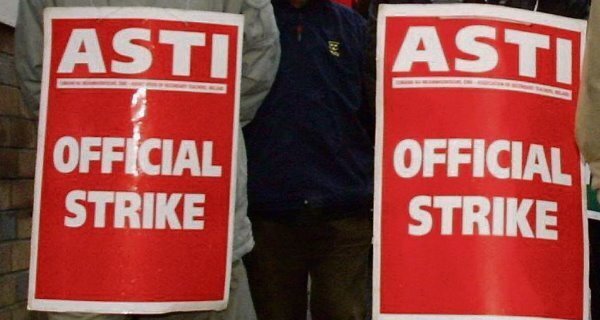
Education Minister Jan O’Sullivan is proceeding with disputed reforms despite ongoing industrial action by the Association of Secondary Teachers Ireland (ASTI) and Teachers’ Union of Ireland (TUI).
They have banned their 27,000 members from training or other activities linked to the changes, which include in-school assessment of second-year students in English by their own teachers next spring.
ASTI president Philip Irwin said a third strike day, after unions closed schools for a day in December and January, was “less likely” before the summer as teachers are preparing students for state exams. But, he said, much will depend on what the minister does.
“It’s a year ago that we presented the [previous] minister with 10,000 signatures on external assessment and state certification. So at some point, the 10,000 may have to visit the minister, with their friends in the TUI,” he said.
While this or other options like lunchtime protests are more likely than strike before June, Mr Irwin said further strikes could be organised if the dispute goes into the next school year.
The union published findings of a survey completed by almost 900 teachers of English and science, and members who are school principals. Mr Irwin said the results highlight issues caused in schools by austerity and cutbacks over the last six years, which he said undermine prospects for successful reform.
Along with administration work and new changes, the mixed ability of students in their classes was one of the biggest causes of dissatisfaction among surveyed teachers. The ASTI president said this and growing class sizes raise questions about the plan that junior cycle students be examined at a common level, instead of higher or ordinary level, in most subjects.
“There’s broadband and laptops for teachers, but other types of technology are not there... the kind [needed] to support more group work, and there needs to be investment there,” he said.
The survey found that 39% of English teachers identified more in-service training as the resource most needed to implement the new junior cycle curriculum.
The Department of Education said Ms O’Sullivan is already engaging with school management bodies on resources, as engagement was recommended in the proposals of talks chairman Pauric Travers.
A spokesperson said up to 16 in-service training days are now planned for teachers.
“Regrettably, as the ASTI and TUI executives have rejected the Travers document as a basis for agreement, the minister’s officials have not been able to engage in discussions with them regarding the resources available to schools and teachers to implement the changes. More worryingly, the ASTI and TUI executives have sought to prevent teachers from even reading about the changes on the website of the Junior Cycle for Teachers in-service website,” she said.