Hospital discharge delays ‘risk lives’ by blocking beds
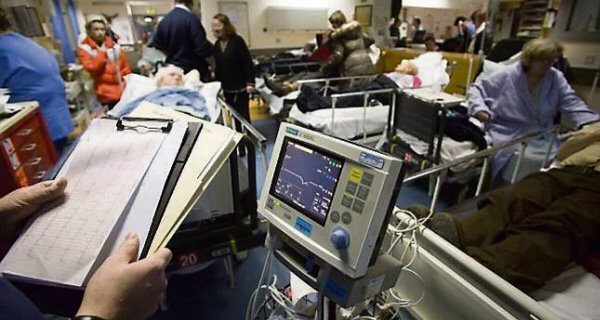
Delayed hospital discharges are putting lives at risk, according to the former chairman of the Emergency Department Taskforce.

Hospital discharge delays ‘risk lives’ by blocking beds

Tony O’Connell submitted his analysis of the problem last September when he was National Director for Acute Hospitals.

He left the health service in January after eight months in one of the most senior posts in the HSE.

According to documents revealed by RTE’s Prime Time, Dr O’Connell’s analysis said there were 703 delayed discharge patients in the acute hospital system at the time, which represented “30 wards of capacity”.

“From a quality and safety perspective this situation is unacceptable,” he wrote.

“The loss of 30 wards of capacity in our acute hospitals means that fewer beds are available to accept elective/scheduled activity and to cope with the surges in demand though our emergency departments. This has resulted in a relentless rise in long-wait patients on the elective surgery and endoscopy lists and a rise in the numbers of patients in emergency departments.”

In addition, Dr O’Connell noted “a handful of patients” were living permanently in acute beds, “waiting over three years for placement”.

“Frail, elderly patients risk nosocomial [hospital-acquired] infections, falls, pressure ulcers, and medication errors while being nursed in busy acute hospital settings for months on end,” he wrote.

“A busy ward with high levels of activity 24/7 is an inappropriate setting for elderly patients at risk of disorientation and deconditioning. In an acute setting they cannot receive the kind of mobilisation, physiotherapy, and occupational therapy that would be more appropriately delivered in a lower acuity setting.”

He said these problems were a risk to patient safety, resulting in delayed treatment for those needing surgery, and “increased mortality for patients blocked in their transit through ED”.

He concluded a long-term solution would be adequate funding of the social care sector.

Last week, there were 755 delayed discharge patients in the system — many of whom are elderly patients who have been approved for funding for private nursing home care under the Fair Deal scheme but who are waiting to draw down the funds. There are 1,239 people waiting 11 weeks for their Fair Deal funding.

In an attempt to tackle the problem, the Department of Health has provided an extra €10m to the Fair Deal Scheme since Christmas, while 500 transitional care beds were funded in private nursing homes in January, and a further 400 this month.

A review of the Fair Deal scheme will shortly be submitted to primary and social care minister Kathleen Lynch and health minister Leo Varadkar.

More in this section

Lunchtime News

Newsletter

Get a lunch briefing straight to your inbox at noon daily. Also be the first to know with our occasional Breaking News emails.

Cookie Policy Privacy Policy Brand Safety FAQ Help Contact Us Terms and Conditions

© Examiner Echo Group Limited