Warning of staff ‘meltdown’ at A&E departments
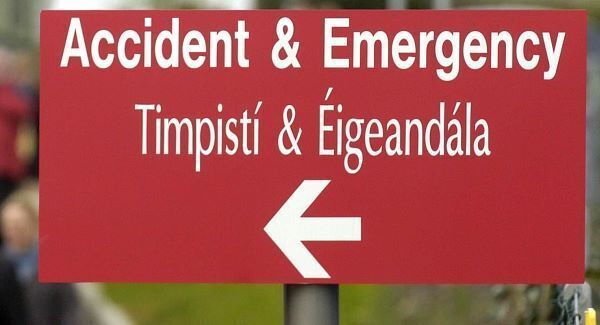
The Irish Association for Emergency Medicine said the situation nationally was āworse than everā, with the imminent changeover of non-consultant hospital doctors (NCHDs).
On July 14, NCHDs will be rotated between posts as part of their training. In
recent years, the rotations have led to serious staff shortages in some hospitals.
āWhile the Department of Health and the HSE acknowledge that there are some challenges with recruitment, they seem to fail to appreciate the extent of the problem and its likely implications for patients,ā the association said.
With gaps in emergency departmentsā duty rosters, there would be additional delays in the assessment and management of patients, the association warned.
āInevitably, this places patients at increased risk of avoidable, poor outcomes. This deteriorating position will also heap further pressure upon the remaining medical staff in emergency departments.ā
The body said underlying poor levels of staffing, comparably poor terms and conditions of employment, inadequate numbers of consultants, poor infrastructure, and persistent overcrowding had to be tackled to get medical graduates to stay.
In the meantime, it said the time taken to process applications for registration for eligible no-EU doctors should be shortened.
Association president and emergency medicine consultant at Waterford Regional Hospital, Mark Doyle, said it was not just emergency departments that were experiencing difficulties, other specialities were suffering as well. āWe are now wondering if the problem is being dealt with at a high enough level,ā he said.
The HSE said there was an international shortage of certain specialities and grades, including emergency medicine registrars. It said there was an ongoing āvacancyā rate of between 100 to 120 NCHD posts.
However, it pointed out that the term āvacant postsā represented posts not filled by standard contracts but which might be filled on a locum, or agency basis.