Bailey gets to inspect garda transcripts
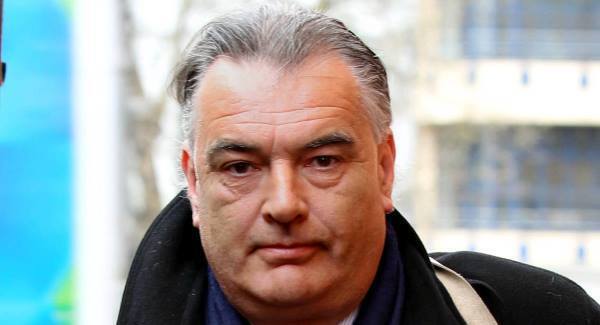
The move came as Mr Bailey sought the court’s permission to inspect 130 recordings, and transcripts of those, as part of his continuing preparations for his action for damages against the State arising from the conduct of the Garda investigation into the murder of French filmmaker Sophie Toscan du Plantier in West Cork in 1996.
Mr Justice John Hedigan made the inspection order yesterday after noting concerns from four gardaí that any release of the recordings should be limited to named lawyers.
Mr Bailey’s civil action is due to go ahead in the Four Courts later in the year.
Yesterday, Alan Keating BL, for retired Detective Sergeant Liam Hogan, objected to any inspection being granted to Mr Bailey’s side, but said that if the court considered inspection appropriate, it should be limited to identified persons and should not include Mr Bailey himself.
In an affidavit, Mr Hogan said it came as a “complete shock” to him that calls he made while in Bandon were recorded. He had never consented to such recordings and any release of the recordings or transcripts might involve a further breach of his rights, he said.
Michael Binchy, for retired Detective Garda Jim Fitzgerald along with retired Garda Billy Byrne, and Garda Mick Coughlan, also expressed concern his clients’ rights to privacy may have been breached by the fact their conversations were recorded unknown to them and without consent.
While not formally objecting to the inspection application, Mr Binchy raised issues about alleged leaking to media and others of material connected to Mr Bailey’s case.
In an affidavit on behalf of himself, Garda Byrne and Garda Coughlan, Det Fitzgerald said he had been advised there were strong legal grounds on which they could resist the disclosure application, including the right to privacy. They would not oppose inspection by Mr Bailey and his lawyers should the court deem that appropriate, as they believed that was “in the interests of candour, openness, and fairness”, he said.
They had serious concerns arising from media reporting of proceedings involving Mr Bailey to date. Their difficulty, he said, was that confidential documents had “alarmingly and quite improperly” appeared in the media.
Martin Giblin, for Mr Bailey, said he was not conceding the gardaí had a right to privacy concerning the recordings.
Leaking was not in his client’s interests and publication of a range of material related to the 1996 investigation appeared to arise from that material having been put in the public domain via either the courts or the Dáil, he said.
Paul O’Higgins and Luan O Braonáin, for the Garda commissioner and State, did not object to inspection, but Mr O’Higgins said they shared the anxiety the material remain confidential prior to trial, adding that some of it was before the Fennelly commission. There should be the “greatest possible protection” against the material appearing in the public domain unless the commission or a court decided otherwise.
Mr Justice Hedigan said he did not have to decide whether the recordings breached the rights of the gardaí involved.
He said he would make an order permitting Mr Bailey, his counsel Mr Giblin, and Ronan Munro, and solicitors Frank Buttimer and Michael Quinlan inspect the material.
That order was subject to the “solemn undertaking” only those parties could inspect the material, details of which would not be divulged to any other party.
It was of the greatest importance the jury hearing the case should not be contaminated by any pre-trial reporting of this material, the judge said. The media had adopted a “very responsible” attitude towards reporting Mr Bailey’s case and he was not condemning any party over alleged leaking of material, he added.