Hogan opted for quango on public spending
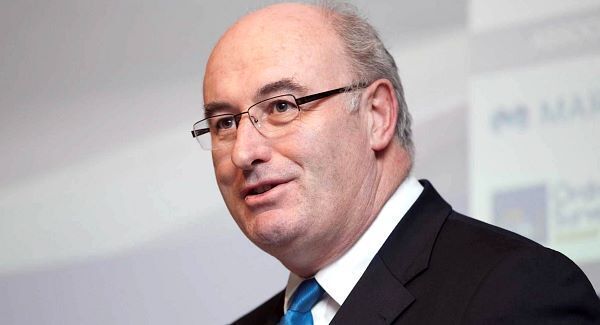
In September 2012, a Government review group prepared a draft report recommending an overhaul of the Office of the Comptroller and Auditor General in a merger with the audit service for county councils.
The move was planned to save money and improve accountability, particularly among local authorities.
But, following Cabinet support for Mr Hogan’s alternative, the report was entirely rewritten without any of its original findings.
The original draft was based on an international comparison which found auditing of local and central spending here was inconsistent and under-resourced.
However, before the report’s contents were ready to be considered Mr Hogan called off the work of the review group and cancelled the proposed merger.
He opted to create a new national oversight office for local government.
The before and after work of the Critical Review Group was revealed in a Freedom of Information request put to the Office of the Comptroller and Auditor General.
It showed the work of the review group, set up by the Government in 2012, was at an advanced stage as the Cabinet was preparing to make its decision.
The draft report said a complete merger should be pursued on the grounds that a single watchdog would be:
* More coherent;
* Save money in staff and support costs;
* Increase the effectiveness of audits and lead to savings for the exchequer;
* Allow greater scrutiny of public funds;
nEnhance the importance of local government audit.
It said even with spending by local authorities, taxpayers should “at a minimum standard of good practice” be able to trace money from its source to its destination.
The draft report noted that the existing Local Government Audit Office opposed any merger except for joint working arrangements.
The 104-page draft report was circulated on September 11, 2012.
However, on September 25, Mr Hogan brought different local government reform proposals to Cabinet and got political agreement.
On October 25, the Department of the Environment contacted the OCAG’s office and said the decision had been made not to merge the two audit bodies but that the minister still “wanted the critical review report finalised”.
The final report was delivered that month. It contained no recommendations and no criticism of any of the proposed options.
In a statement the department said the Critical Review Group had been happening in parallel to a separate action programme on local government reform which led to a different approach.
It said as part of the new arrangements the local auditors would co-operate with the OCAG.


CONNECT WITH US TODAY



Be the first to know the latest news and updates