Sun holidays linked to rise in Irish cases of skin cancer
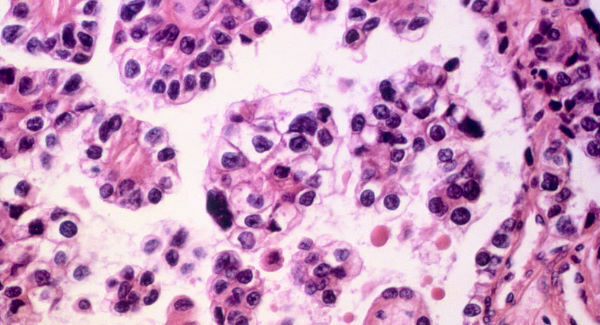
Numbers with the disease in Ireland have almost doubled since records began in 1994, and new cases topped 10,000 for the first time in 2011.
The biggest increase was in young people from affluent, urban areas who were exposed to repeated sunburn, most likely from sun holidays and leisure activities.

However, it is feared numbers will continue to rise as the impact of the growth in sun holidays among other sectors of Irish society during the Celtic Tiger era filters down in the years ahead.
Harry Comber, director of the National Cancer Registry, said the rate of skin cancer in Ireland was the highest in Europe, due at least partly to the fact that pale Celtic skin was particularly unsuited to long exposure to the sun’s powerful ultra-violet (UV) rays.
“As we don’t have much sun regularly, it is natural that people are not accustomed to protecting themselves against it,” said Mr Comber.
“There is also a desire in many Irish people to get a so-called ‘healthy tan’ and a lot of Irish people go abroad specifically for sun holidays. Whatever the reason is behind our high incidence of skin cancer, it is clear that more of our young people are getting skin cancer. We need to encourage them to act to reduce their risk.”
Registry data shows that, in 1994, there were 5,567 new cases of skin cancer. That rose to 10,077 in 2011 — up 81% in 17 years. Even more marked was the growth in instances among the 15-44 age group, which saw a 39% increase in just six years up to 2011.
The vast majority of cases were the non-melanoma kind, which grows slowly in the upper layers of skin, meaning it is easier to treat and less dangerous than melanomas which spread quickly from the skin to other organs.
However, 158 people died from skin cancer here in 2011 and, for those who successfully complete treatment for the disease, the chance of a recurrence remains high.
Rosemary Scott, health promotion officer at the Irish Cancer Society, said people were still not sufficiently aware of the dangers of over-exposure to the sun.
“Skin cancer is not seen by many as an issue in this country but this is far from the truth,” said Ms Scott. “It is our most common cancer. Despite our cool and cloudy weather, UV rays can reach skin most days from April to September and cause damage that increases the risk of skin cancer.”
She said even light sunburn could cause trouble. “When people think of sunburn many only think of raw, peeling, and blistering skin, but any redness caused by the sun is sunburn and increases skin cancer risk,” she said.
The Irish Cancer Society recommends a few simple steps for safe enjoyment of the sun, stressing that nine out of 10 skin cancer cases could be prevented.
They say to seek shade between 11am and 3pm, wear a shirt, hat, and sunglasses when out, use a high protection sun screen and keep babies under six months out of the sun completely.
*