Climate change bill ‘fails to set any targets’
Government proposals to reduce Ireland’s carbon emissions have been widely criticised for lacking targets, a clear vision and for potentially being too costly for businesses and households.

Climate change bill  ‘fails to set  any targets’

The long-awaited climate change legislation commits Ireland to be a low carbon producer by 2020 and to follow a road map on reducing greenhouse gases.

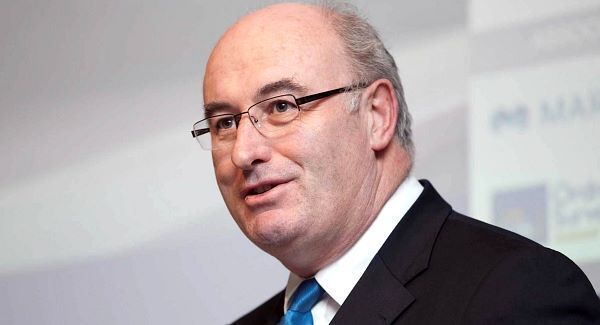
But Environment Minister Phil Hogan’s efforts were immediately criticised as lacking binding targets and only having “cosmetic additions” since TDs originally debated the bill at the Oireachtas Environment Committee.

Mr Hogan said ministers in energy, environment, transport and agriculture would be asked to review carbon emission reduction plans in their sectors.

It was the first time an Irish government had published a climate change bill, Mr Hogan said.

The Climate Action and Low Carbon Development Bill would help Ireland meet EU targets to cut greenhouse gases by 2020, he said. “There will be no exceptions.” A road map on reductions would be agreed this year and an expert advisory body set up.

The plan proposes that the agriculture sector needs to be carbon neutral. It says Ireland will follow an EU target and cut carbon dioxide emissions by at least 80% by 2020 in electricity generation, construction and transport.

Farmers said plans to make the sector carbon neutral would be unattainable

Employers’ group IBEC gave the bill a cautious welcome but warned changes could potentially be “very costly for both businesses and households”.

Several groups argued there were no binding targets or a clear vision in the bill.

Oxfam said the term ‘low carbon economy’ was not defined and the planned climate advisory group would lack independence. Christian Aid said the bill did not address ‘climate justice’ and ethical issues on pollution and developing countries.

Stop Climate Chaos, a coalition of 28 civil society groups, said it lacked vision: “The warnings show that no country will be untouched by climate change, and in Ireland, unfortunately, we are set to experience more flooding, with the associated economic and emotional costs, if we do not cut our emissions dramatically,” said co-ordinator Ciara Kirrane.

Mr Hogan could not say if consumers or businesses may face levies or costs in the effort to change infrastructure and keep carbon emissions low, but added: “However, we cannot ignore the fact that we have a long way to go in terms of recovering from the recent economic and banking crises. It is essential that we balance our economic and environmental objectives.”

Green Party leader Eamon Ryan said his party had originally designed the bill.

“They are promising everything will change in 35 years time, but doing nothing to set us in the right direction today,” he said.

More in this section

Lunchtime News

Newsletter

Get a lunch briefing straight to your inbox at noon daily. Also be the first to know with our occasional Breaking News emails.

Cookie Policy Privacy Policy Brand Safety FAQ Help Contact Us Terms and Conditions

© Examiner Echo Group Limited